Pearls have a soft, elegant glow that makes them different from almost every other type of jewelry. That beauty also means they need a little more care than harder gemstones.
Unlike diamonds or sapphires, pearls have a relatively soft surface. GIA rates pearls at about 2.5 on the Mohs hardness scale, which means pearls can be scratched or abraded more easily than many other gems. They can also be affected by perfume, cosmetics, hairspray, perspiration, acids, and excessive heat.
Fortunately, learning how to clean pearls does not require expensive equipment. In fact, the safest approach is usually the simplest: gentle wiping, minimal moisture, mild soap when necessary, and careful drying.
In this guide, you'll learn how to clean pearl necklaces, earrings, rings, and bracelets at home, what cleaning methods to avoid, and how to care for pearls so they stay beautiful for years.
How to Clean Pearls Safely
If you're wondering how to clean pearls without damaging them, start with as little cleaning as necessary.
For routine maintenance, wiping pearls gently with a very soft, clean cloth after wearing them is often enough. For a more thorough occasional cleaning, GIA says warm soapy water can be used, provided strung pearls are allowed to dry completely before being worn again.
The key is gentle handling rather than aggressive scrubbing.
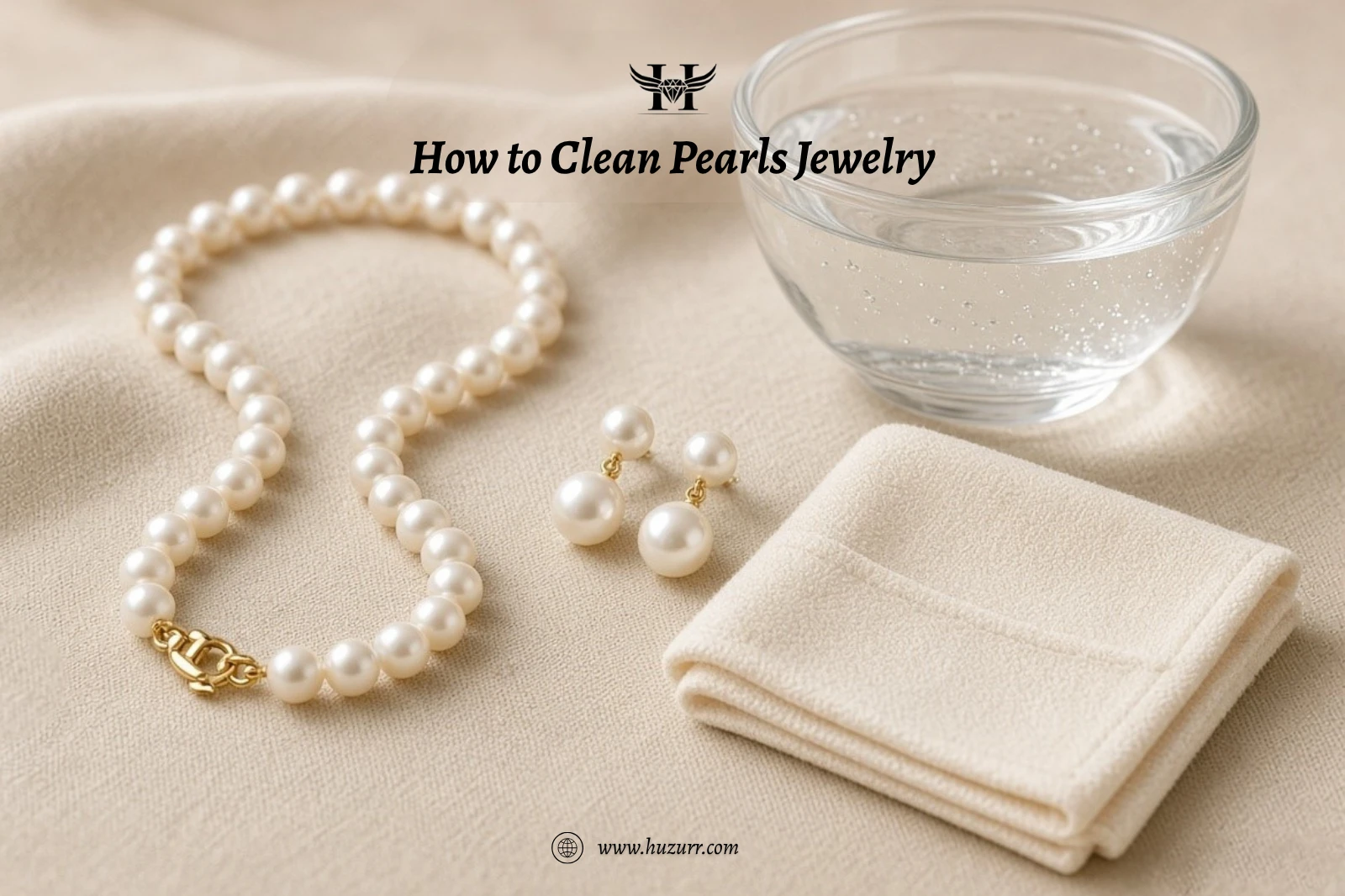
What You'll Need
You don't need specialized machinery to clean pearls at home. Gather:
- A soft, lint-free cloth
- Lukewarm water
- A small amount of mild soap
- A small bowl
- A clean, soft towel
Avoid reaching for a regular jewelry cleaner unless its instructions specifically state that it is safe for your particular pearl jewelry.
Step-by-Step Guide to Cleaning Pearls
1. Prepare a Mild Cleaning Solution
Fill a small bowl with lukewarm water and add a very small amount of mild soap.
The water should not be hot. High heat can damage pearls and may contribute to discoloration, cracking, or dehydration of the nacre.
2. Dampen a Soft Cloth
Dip part of your lint-free cloth into the solution and wring it out.
The cloth should be damp rather than dripping wet.
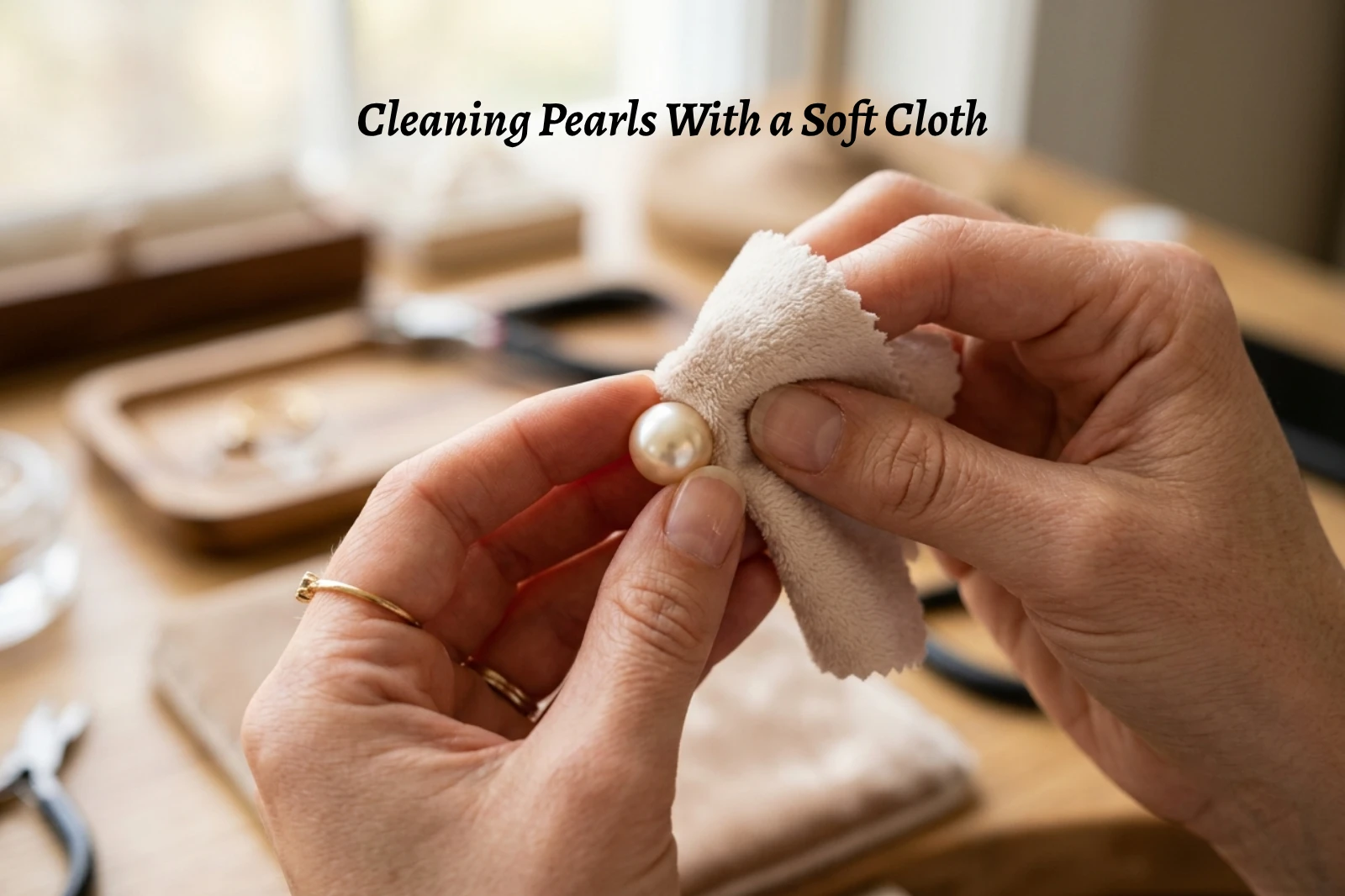
3. Gently Wipe Each Pearl
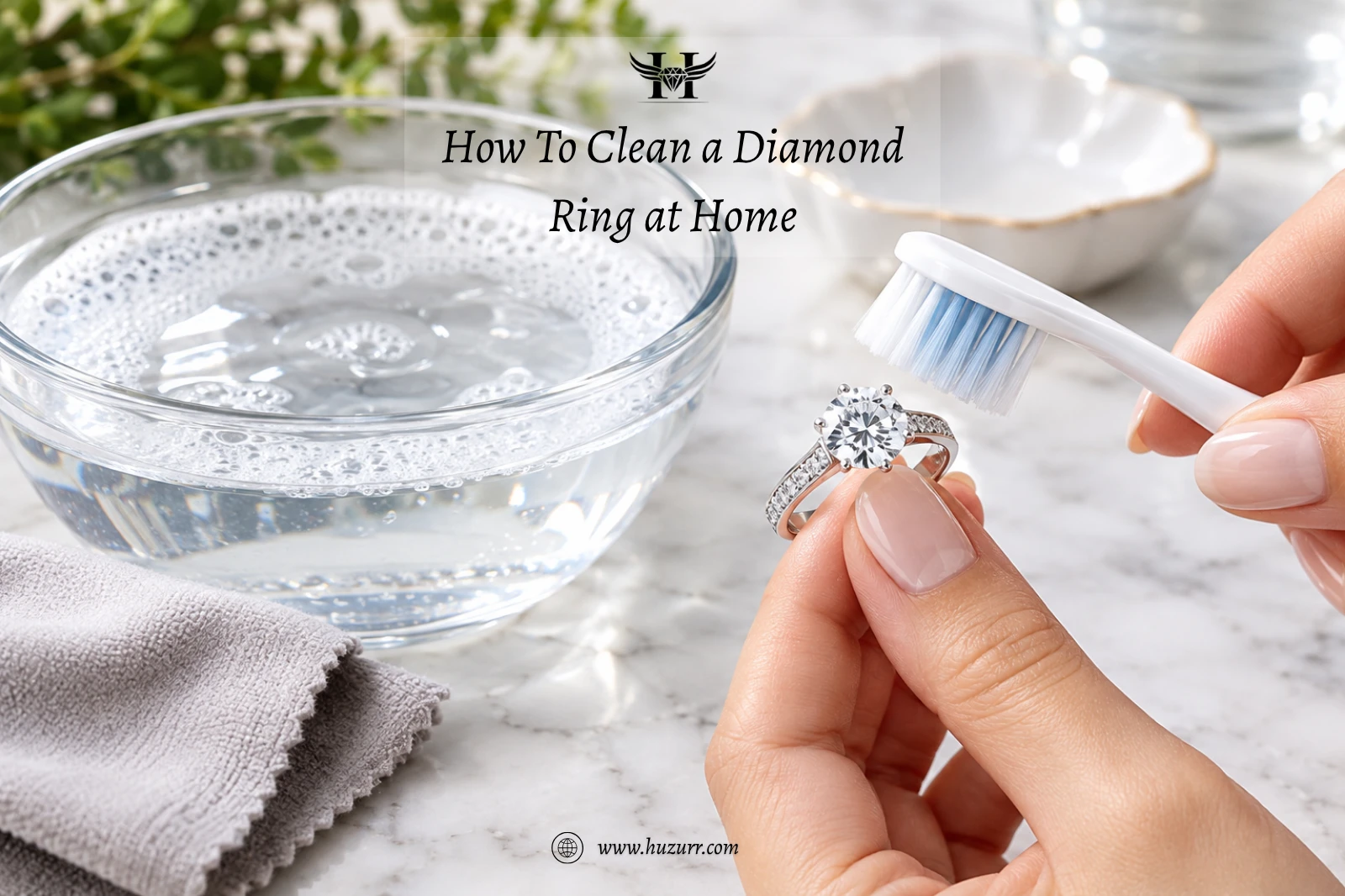
Hold the jewelry carefully and wipe the surface of each pearl one at a time.
Use light pressure. You are trying to remove skin oils, cosmetics, and surface dirt—not polish away the pearl's outer layer.
4. Clean Around Settings Carefully
For pearl earrings, rings, bracelets, and pendants, pay attention to the areas where the pearl meets the metal.
Do not pull or twist the pearl while cleaning around the setting.
5. Remove Soap Residue
Use another clean cloth lightly dampened with plain lukewarm water to remove any remaining soap.
6. Pat the Jewelry Dry
Gently blot your pearls with a soft towel.
Do not rub aggressively.
7. Let the Jewelry Air-Dry Completely
Place the jewelry flat on a clean, soft towel and allow it to dry naturally.
This is especially important for pearl necklaces because wet stringing material may stretch. GIA specifically recommends letting a pearl strand dry completely before handling or wearing it.
So, how do I clean pearls safely? Think: damp cloth, mild soap when needed, gentle pressure, and plenty of drying time.
 How to Clean Real Pearls at Home
The safest way to understand how to clean real pearls is to remember that more cleaning power does not mean better cleaning.
Pearls are comparatively soft organic gems and can be affected by acids, harsh chemicals, heat, and abrasive contact.
At home, use the gentlest method that gets the job done.
Can You Clean Pearls With Water?
Yes. A small amount of lukewarm water can be used when cleaning pearls.
However, that does not mean a pearl necklace should be left sitting in a bowl of water.
For a strung necklace, prolonged soaking can wet the thread throughout the strand. Instead, use a damp cloth and allow the necklace to dry flat and completely afterward.
Can You Use Soap to Clean Pearls?
A small amount of mild soap in warm or lukewarm water can be appropriate for occasional deeper cleaning. GIA includes warm soapy water among its recommended cleaning methods for pearls.
Keep the solution mild, avoid strong detergents or household cleaners, and make sure all residue is gently removed.
How to Clean Different Types of Pearl Jewelry
The basic principles of how to clean pearl jewelry remain the same, but necklaces, earrings, rings, and bracelets require slightly different handling.
How to Clean a Pearl Necklace
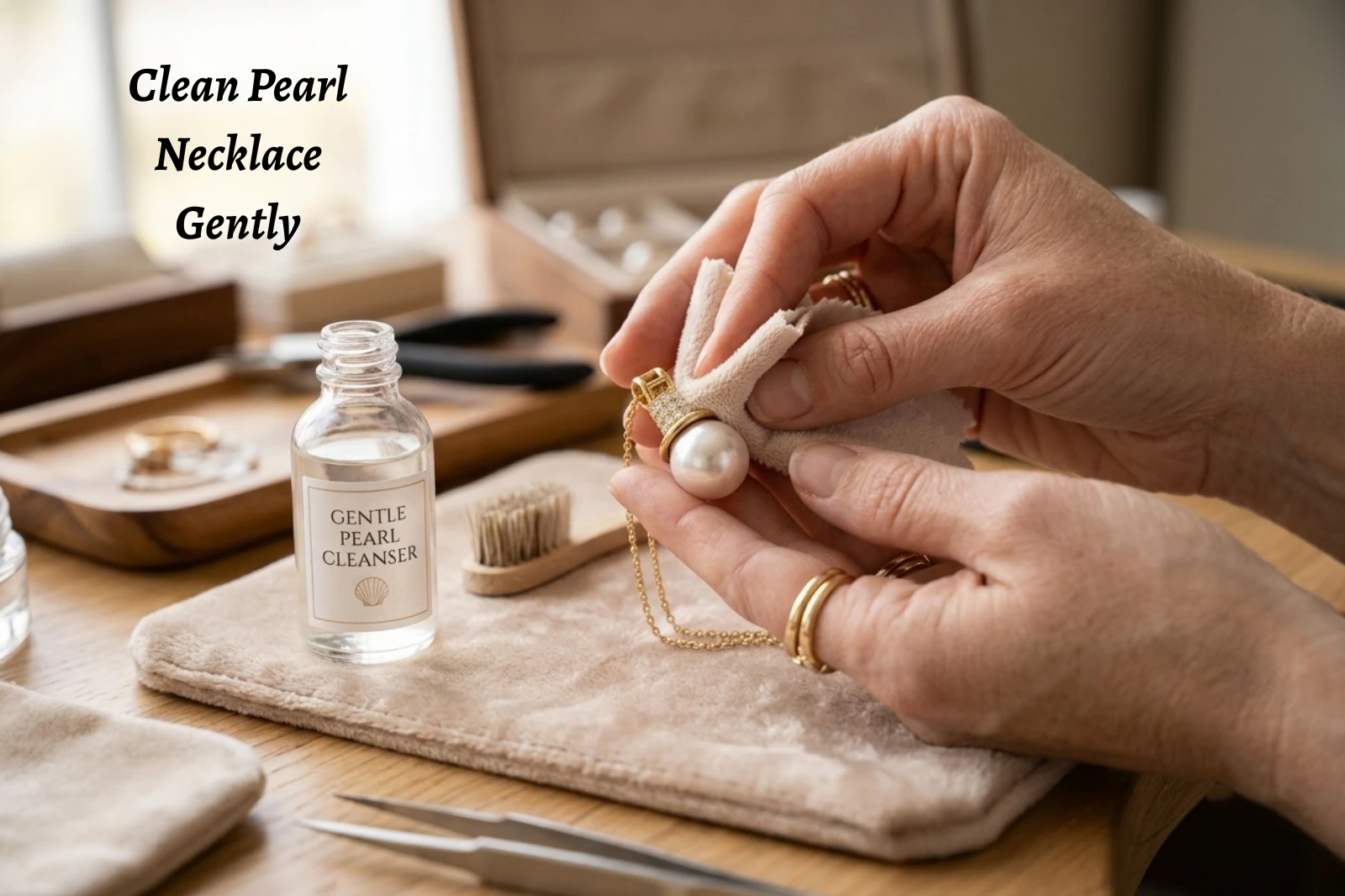 Pearl necklaces need particular attention because you are caring for both the pearls and the material holding the strand together.
To clean one:
-
Lay the necklace flat on a soft towel.
-
Gently wipe each pearl individually with a damp, soft cloth.
-
Clean the clasp carefully without pulling on the strand.
-
Remove any soap residue with a clean, damp cloth.
-
Leave the necklace flat until completely dry.
Never tug the necklace straight while cleaning it.
Over time, necklace stringing can stretch or weaken. GIA recommends considering professional restringing if the strand begins showing signs of wear.
If you're exploring this jewelry style, Huzurr currently has a dedicated collection of freshwater pearl necklaces, including guidance on caring for freshwater pearl strands.
How to Clean Pearl Earrings
 Cleaning pearl earrings is usually quicker because there is no string to worry about.
Use a slightly damp cloth to wipe the pearl itself. Then gently clean the surrounding metal setting and earring post or back.
Be careful not to twist a pearl aggressively while holding the metal component. If the pearl appears loose in its setting, stop cleaning and take the piece to a jeweler.
Huzurr's broader earrings collection includes pearl styles, while shoppers specifically interested in pearl varieties can explore Akoya pearl earrings and Tahitian pearl earrings.
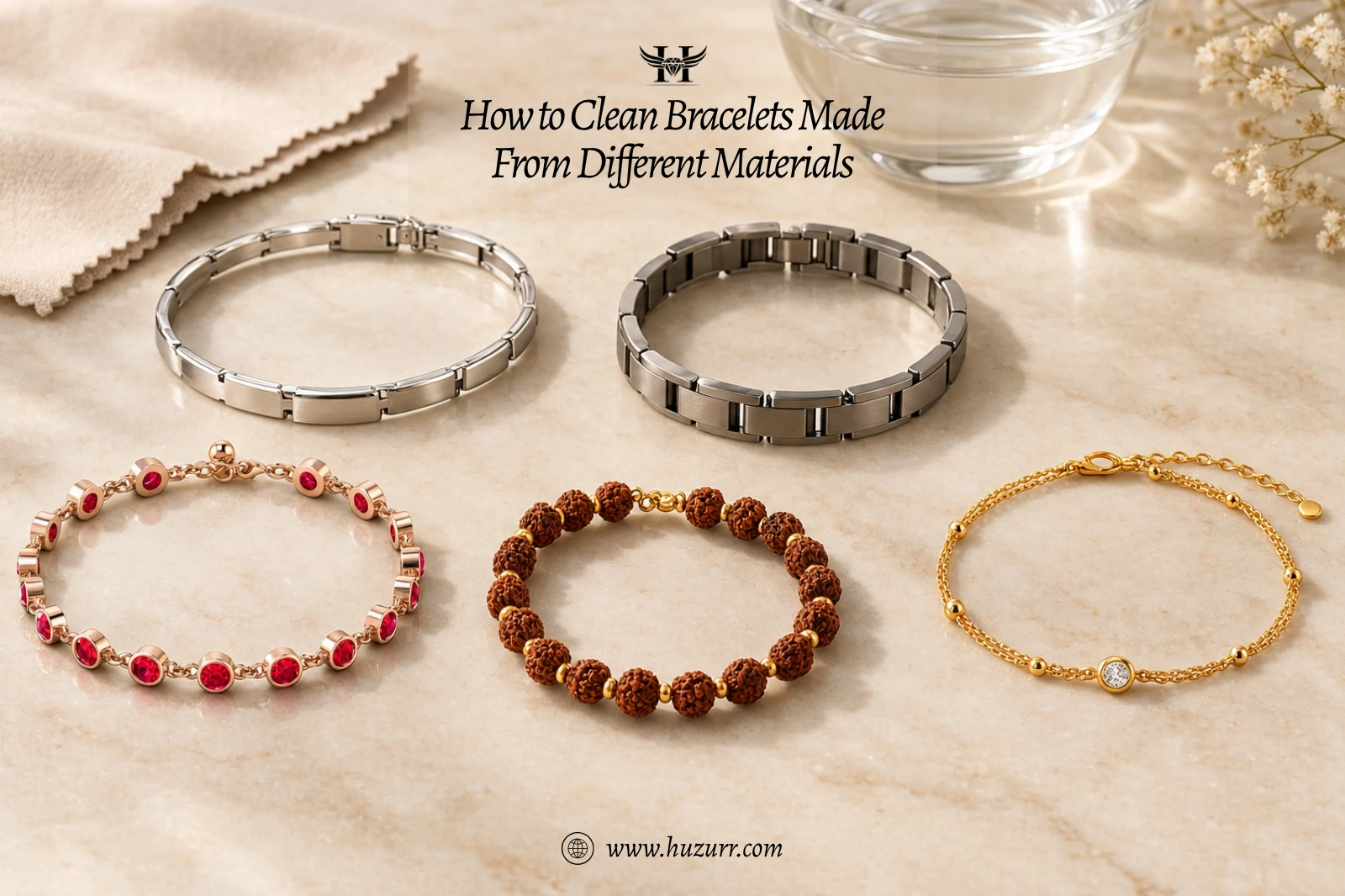
How to Clean Pearl Rings and Bracelets
Pearl rings and bracelets can pick up more dirt because they are worn on the hands and wrists.
Use a damp, soft cloth on the pearl and clean around the metal setting carefully.
Pay attention to any small openings where lotion, soap, or everyday residue may collect, but avoid digging into the setting with sharp tools.
If your ring or bracelet combines pearls with other gemstones, make sure the cleaning method is suitable for every material in the piece.
How to Care for Pearls After Cleaning
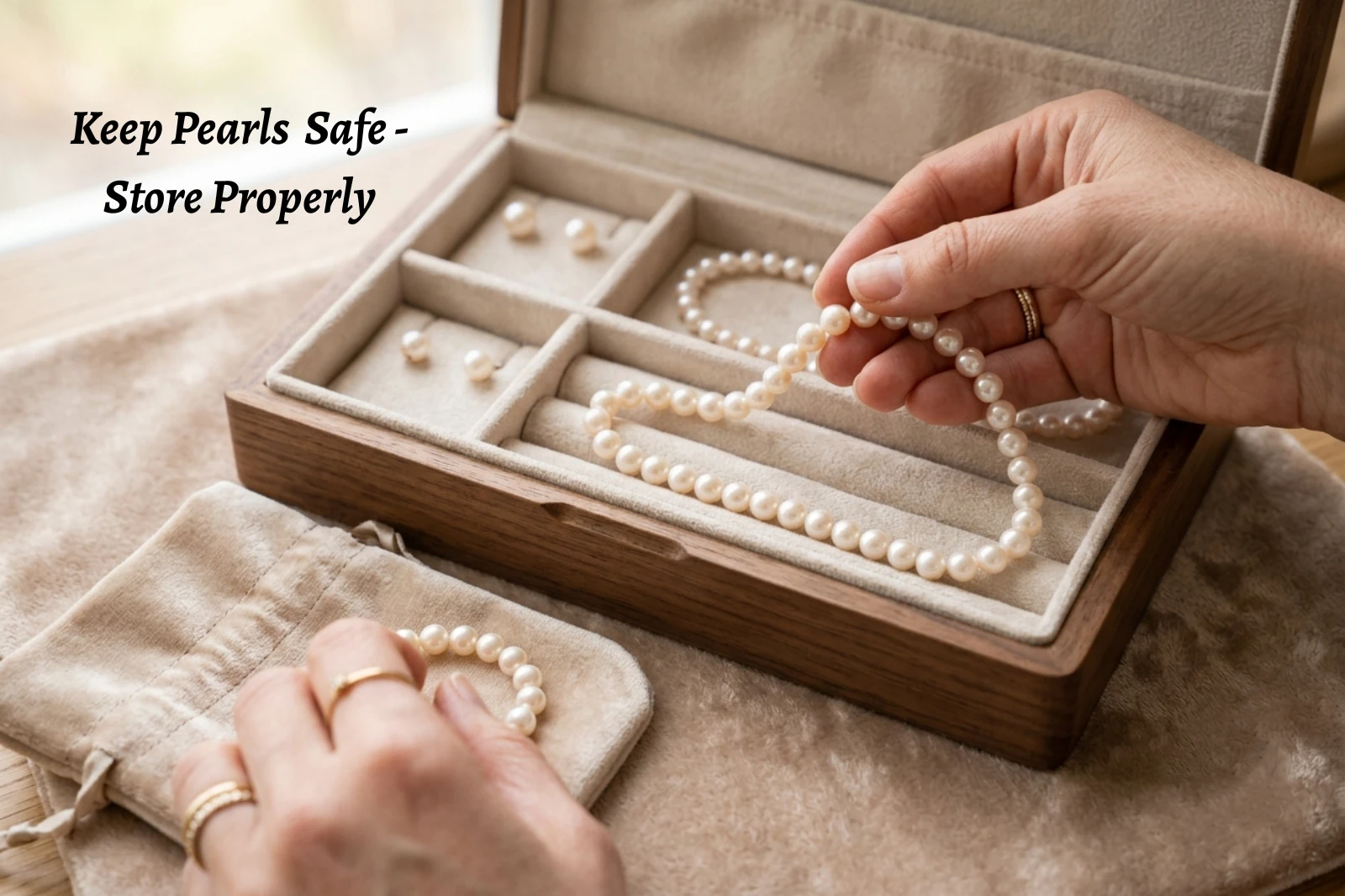 Knowing how to care for pearls between cleanings is just as important as learning how to wash them.
A few small habits can reduce the amount of cleaning your pearls need in the first place.
Store Pearls Properly
Pearls should be stored where harder jewelry cannot scratch them.
Keep them:
- In a soft jewelry pouch
- In a fabric-lined jewelry box
- In a separate compartment
- Away from sharp jewelry components
- Away from harder gemstones whenever possible
GIA recommends keeping pearls away from sharp or rough objects and storing them in a soft pouch or case. Mikimoto similarly advises keeping pearl pieces separate to reduce scratching and tangling.
Put Pearls on Last
One of the easiest pearl-care habits to remember is:
Last on, first off.
Finish applying:
- Perfume
- Makeup
- Hairspray
- Lotions
- Other beauty products
before putting on your pearls.
GIA and Mikimoto both recommend limiting contact between pearls and cosmetics, perfume, hairspray, and similar substances.
When you return home, remove your pearl jewelry before doing anything that could expose it to additional moisture or chemicals.
Wear Pearls Carefully
Pearls do not have to stay locked away.
Regular wear is fine when you take sensible precautions. The important part of pearl jewelry care is reducing unnecessary exposure to chemicals, rough surfaces, excessive heat, and scratching.
After wearing your pearls, a quick wipe with a soft cloth can remove surface oils and residue before the jewelry goes back into storage. These simple habits are also useful when caring for jewelry at home.
What Should You Avoid When Cleaning Pearls?
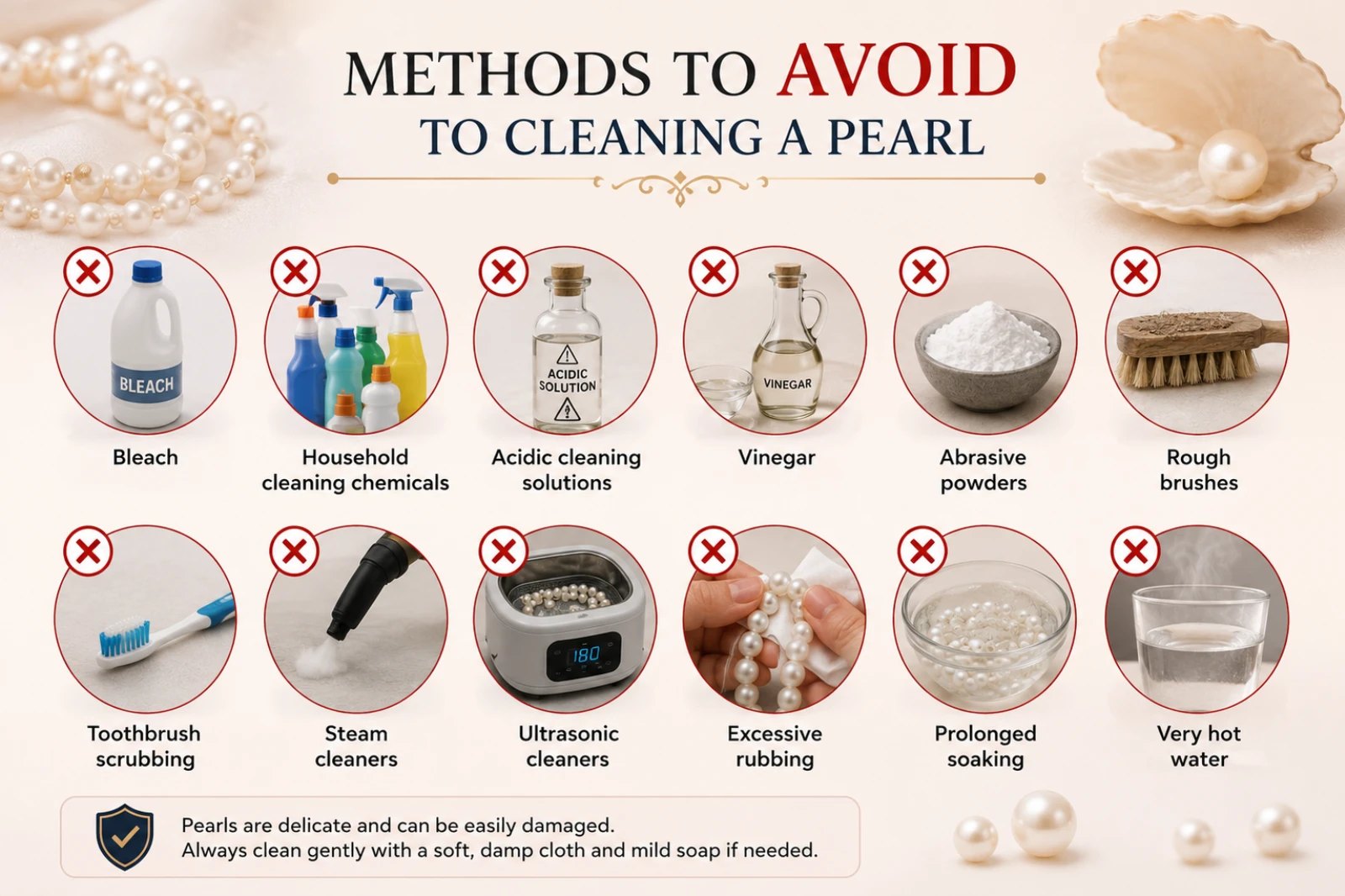 Some cleaning methods that work beautifully on harder jewelry are inappropriate for pearls.
Avoid:
- Bleach
- Household cleaning chemicals
- Acidic cleaning solutions
- Vinegar
- Abrasive powders
- Rough brushes
- Toothbrush scrubbing
- Steam cleaners
- Ultrasonic cleaners
- Excessive rubbing
- Prolonged soaking
- Very hot water
Never Put Pearls in an Ultrasonic Cleaner
This is one of the most important rules.
GIA specifically states that pearls should not be cleaned with ultrasonic or steam cleaners. Pearls are organic gem materials, and ultrasonic equipment may expose delicate materials to damaging heat, chemicals, and vibration.
Don't Use Vinegar
Vinegar may appear in DIY cleaning advice, but it is acidic.
GIA notes that pearls can be damaged by acids, so vinegar is not an appropriate pearl-cleaning shortcut.
Skip Rough Brushes
Pearls are relatively soft. Aggressive brushing can scratch or abrade their surface.
A soft cloth is usually the better choice for routine cleaning.
How Often Should You Clean Pearl Jewelry?
There is no need to deep-clean pearls on a rigid weekly or monthly schedule.
Instead, match cleaning to how the jewelry is used.
After Regular Wear
A gentle wipe with a clean, soft cloth is a useful everyday habit, especially if the pearls were exposed to skin oils, perspiration, cosmetics, or other residue. GIA recommends soft-cloth wiping after wear as routine pearl care.
When You Notice Visible Buildup
Use a more thorough damp cloth or mild-soap cleaning when the jewelry begins to look dull or visibly dirty.
After Heavy Cosmetic Exposure
If perfume, makeup, hairspray, or lotion has accidentally come into contact with your pearls, gently wipe them after removing the jewelry.
You don't need to repeatedly wash pearls that already look clean.
How to Protect Pearls From Damage
Good care of pearls is mostly preventive.
Keep Pearls Away From Chemicals
Take your pearls off before:
- Swimming
- Cleaning your home
- Applying beauty products
- Using strong chemicals
- Activities where they may be exposed to excessive perspiration
Chemicals and acids can affect the pearl surface.
Protect Pearls From Scratches
Store pearl jewelry separately and avoid placing it loose in a jewelry box with diamonds, gemstones, chains, or sharp metal edges.
Avoid Excessive Heat and Moisture
Pearls should not be exposed to high temperatures. GIA notes that high heat can lead to discoloration, cracking, or other damage.
At the same time, pearl jewelry should not be kept for long periods in extremely hot and dry environments.
When Should You Get Pearl Jewelry Professionally Cleaned?
Home cleaning works well for ordinary dirt and routine maintenance.
Professional help is a better choice when you notice:
- A loose pearl
- A loose or damaged setting
- A stretched necklace strand
- Frayed or discolored string
- A broken or unreliable clasp
- Significant buildup that gentle cleaning will not remove
- Noticeable scratches or surface damage
- Damage to an heirloom piece
- Valuable pearl jewelry that you are uncomfortable cleaning yourself
A strand that appears stretched or weakened may need restringing rather than cleaning. GIA notes that pearl necklace strings can stretch and weaken over time and can be professionally restrung.
When in doubt, don't experiment with increasingly aggressive cleaning methods. Let a qualified jeweler inspect the piece.
Frequently Asked Questions About Cleaning Pearls
How do you clean pearls at home?
Use a soft cloth lightly dampened with lukewarm water. For occasional deeper cleaning, use a small amount of mild soap, gently wipe each pearl, remove the residue, and let the jewelry dry completely.
Can I wash pearls with water?
Yes, pearls can be cleaned using a small amount of lukewarm water. Avoid prolonged soaking, particularly with strung necklaces, and make sure the piece is fully dry before wearing or storing it.
Can I use soap to clean real pearls?
A small amount of mild soap with warm or lukewarm water can be used occasionally. GIA lists warm soapy water as a safe method for more thorough pearl cleaning.
Can I use vinegar to clean pearls?
No. Vinegar is acidic, and acids can damage pearls. Use a gentle pearl-safe cleaning method instead.
Can I use an ultrasonic cleaner on pearls?
No. GIA specifically advises against ultrasonic cleaning for pearls. Steam cleaning should also be avoided.
How often should I clean my pearl jewelry?
Wipe pearls gently after wearing them when practical. Deeper cleaning is better done when visible dirt, cosmetics, oils, or residue has accumulated rather than according to an unnecessarily strict schedule.
How do I clean a pearl necklace without damaging it?
Lay the necklace flat, wipe individual pearls with a soft, damp cloth, avoid pulling the strand, gently remove any residue, and leave it flat until both the pearls and string are completely dry.
How do I clean pearl earrings?
Wipe the pearl gently with a soft, damp cloth, then clean around the metal setting, post, and back without twisting or pulling the pearl.
Keep Your Pearls Beautiful With Gentle Care
Learning how to clean pearls is really about learning when to stop.
Pearls rarely need aggressive cleaning. A soft cloth, mild soap when necessary, sensible storage, and protection from cosmetics and chemicals can go a long way toward preserving their appearance.
The same approach works whether you own a simple pair of pearl studs, a freshwater pearl strand, or a more detailed pearl-and-gemstone design.
If you'd like to explore how pearls can be worn beyond traditional strands, Huzurr's guide to pearl jewelry styles offers inspiration across necklaces, earrings, bracelets, and other pearl designs. Huzurr also features pearl-and-diamond pieces in its pearl and diamond jewelry guide.