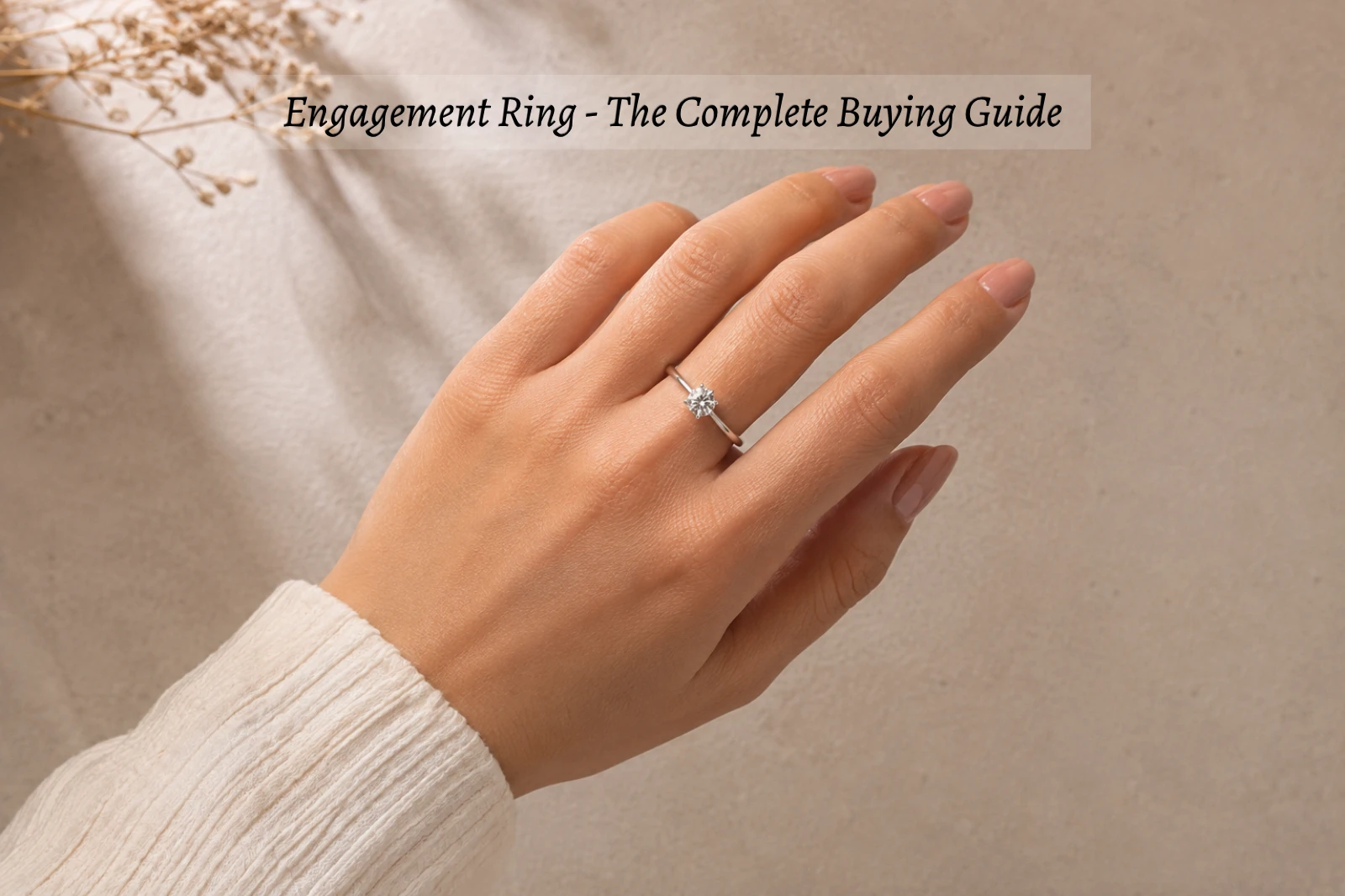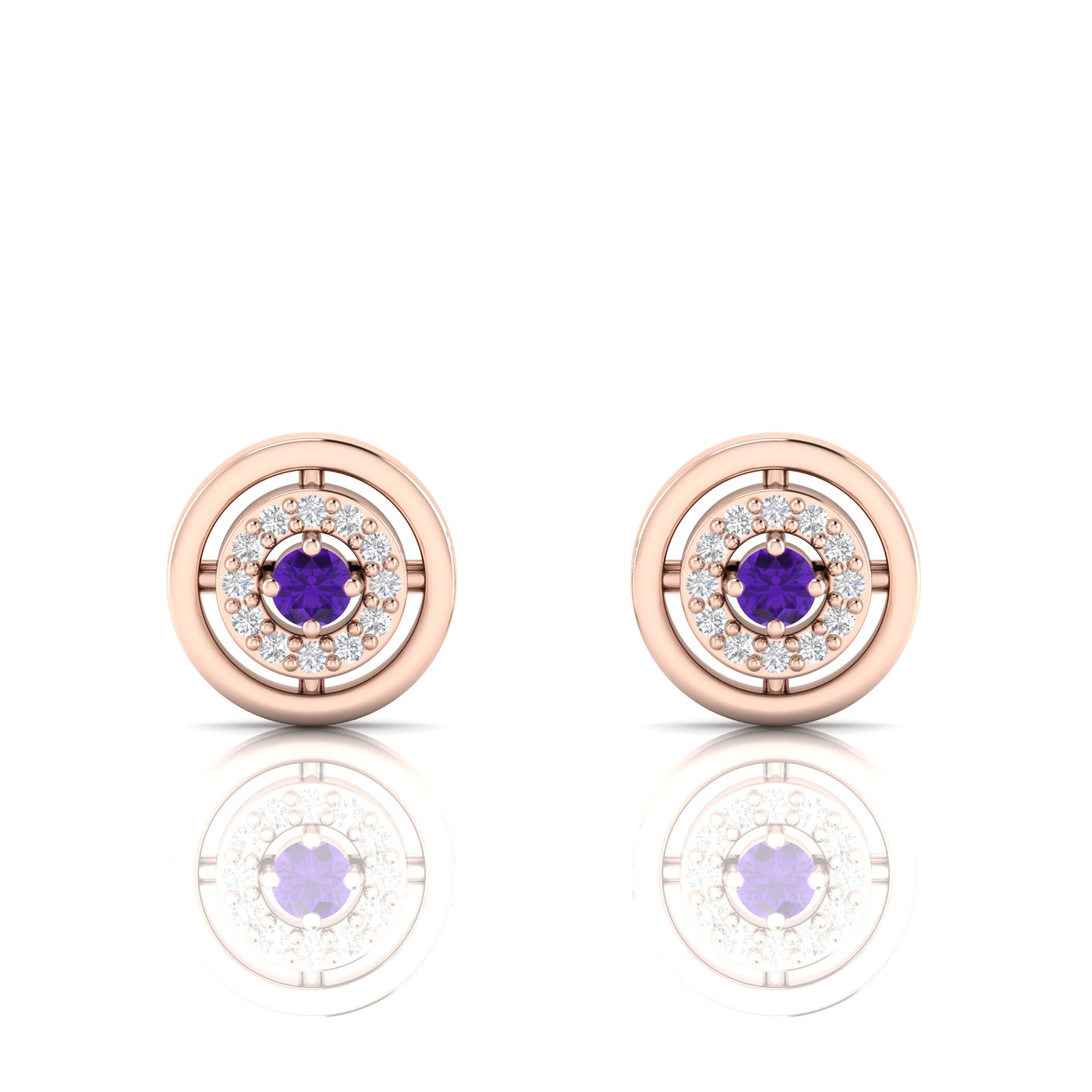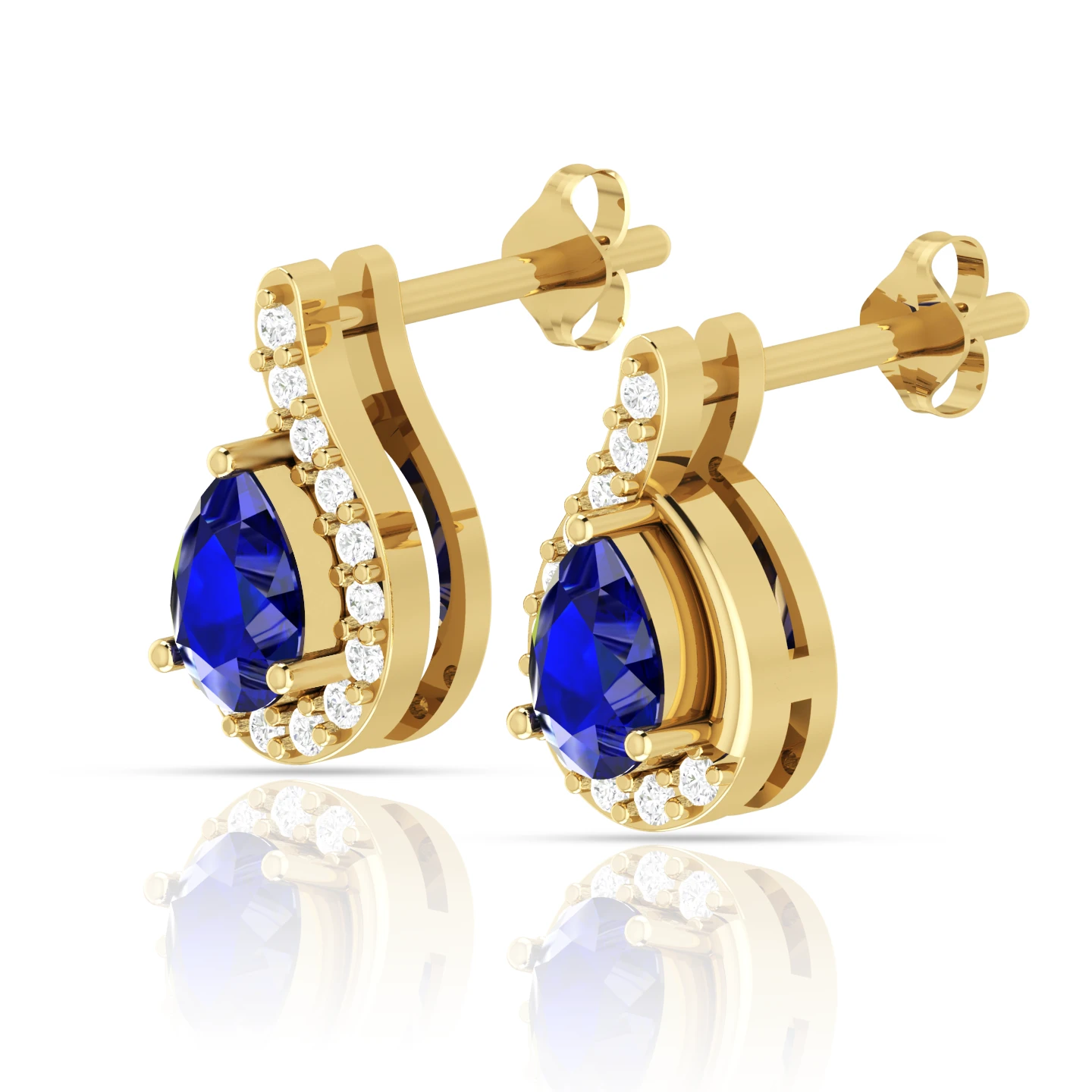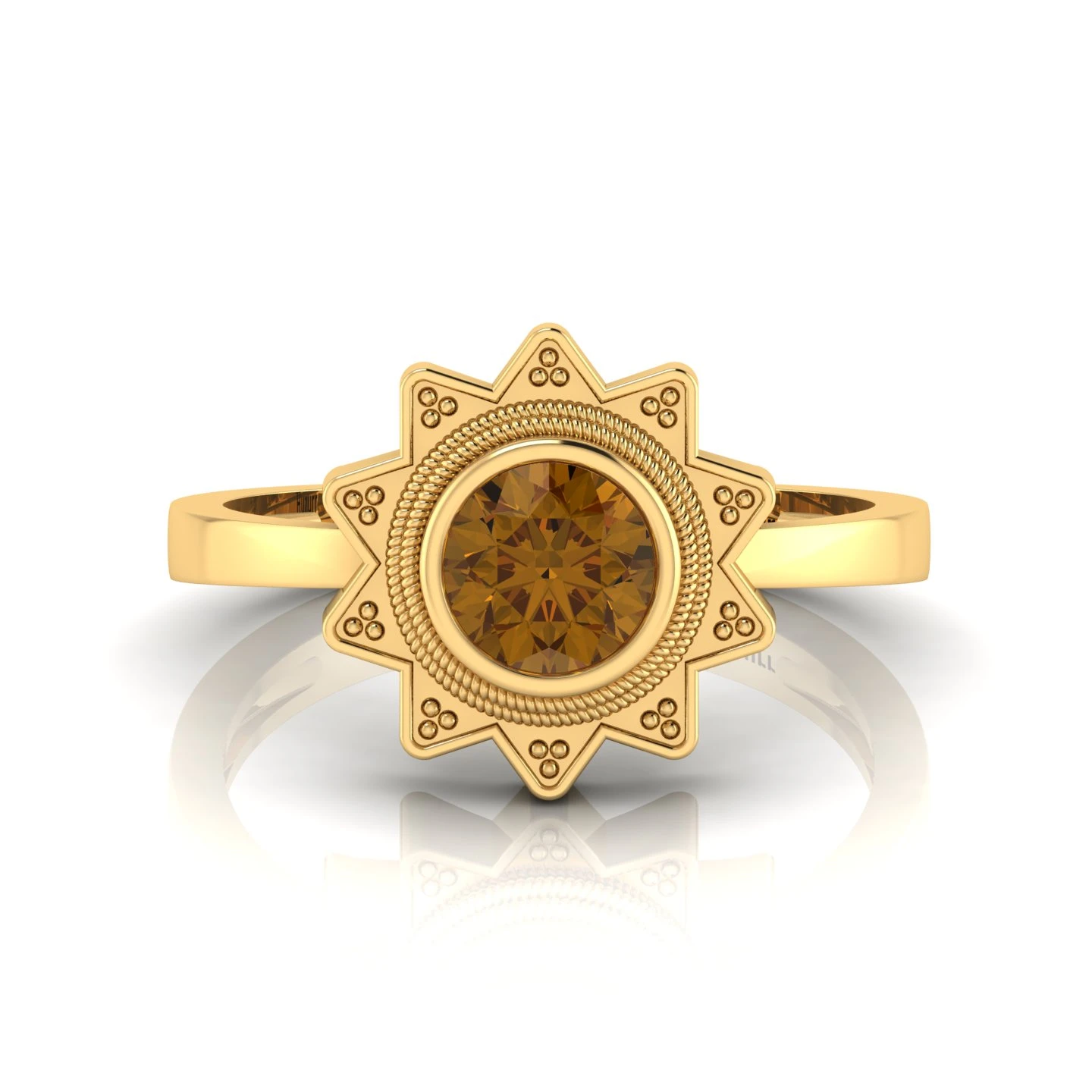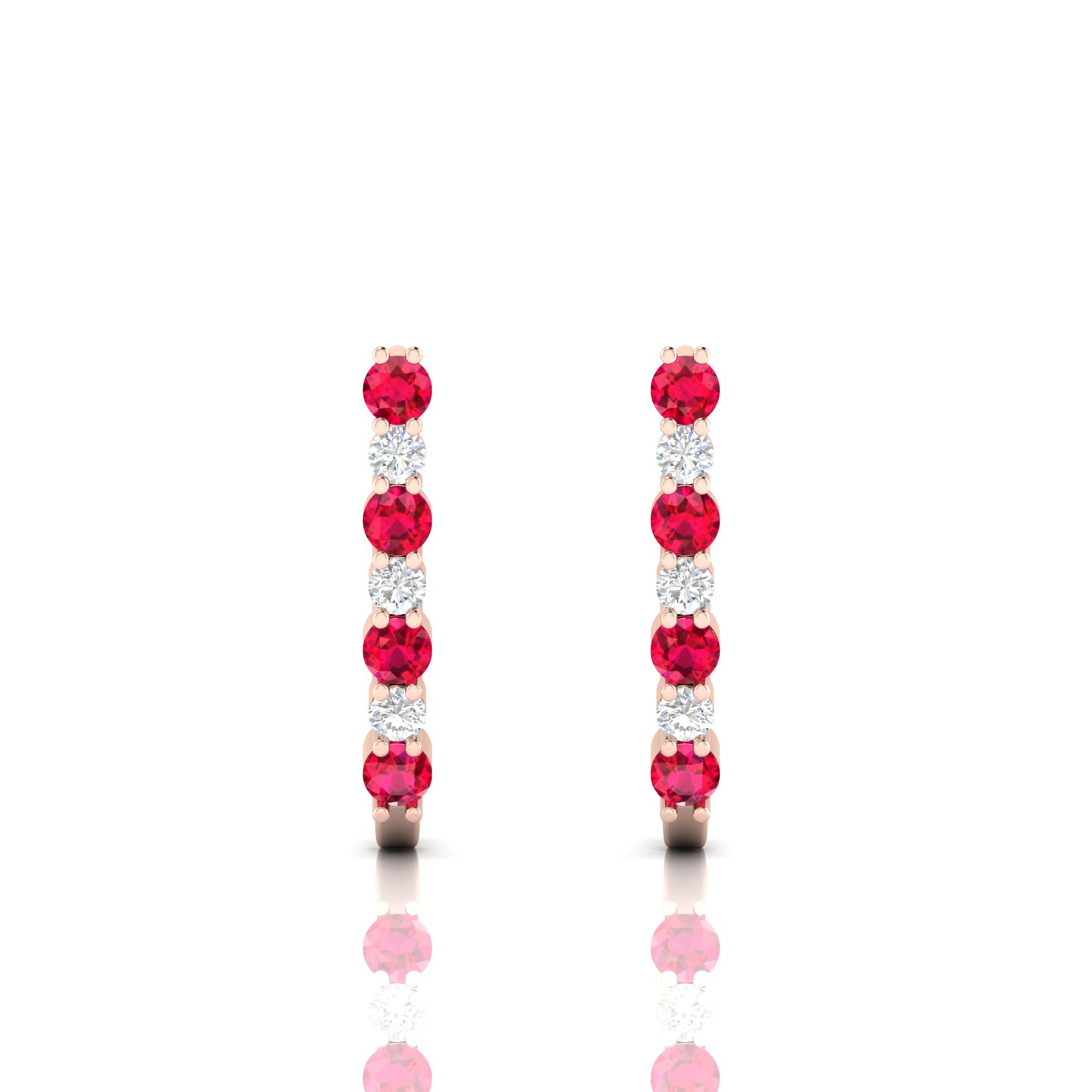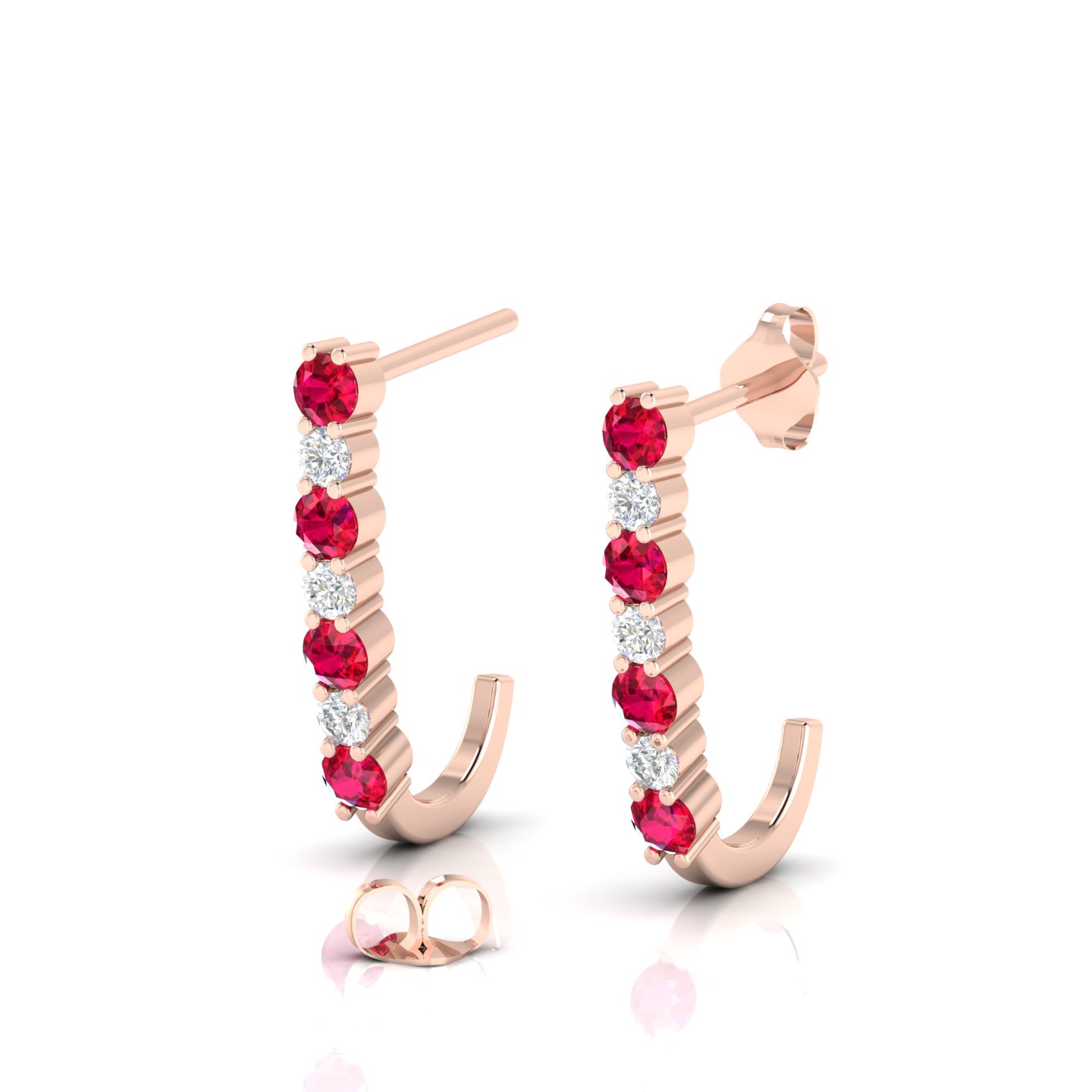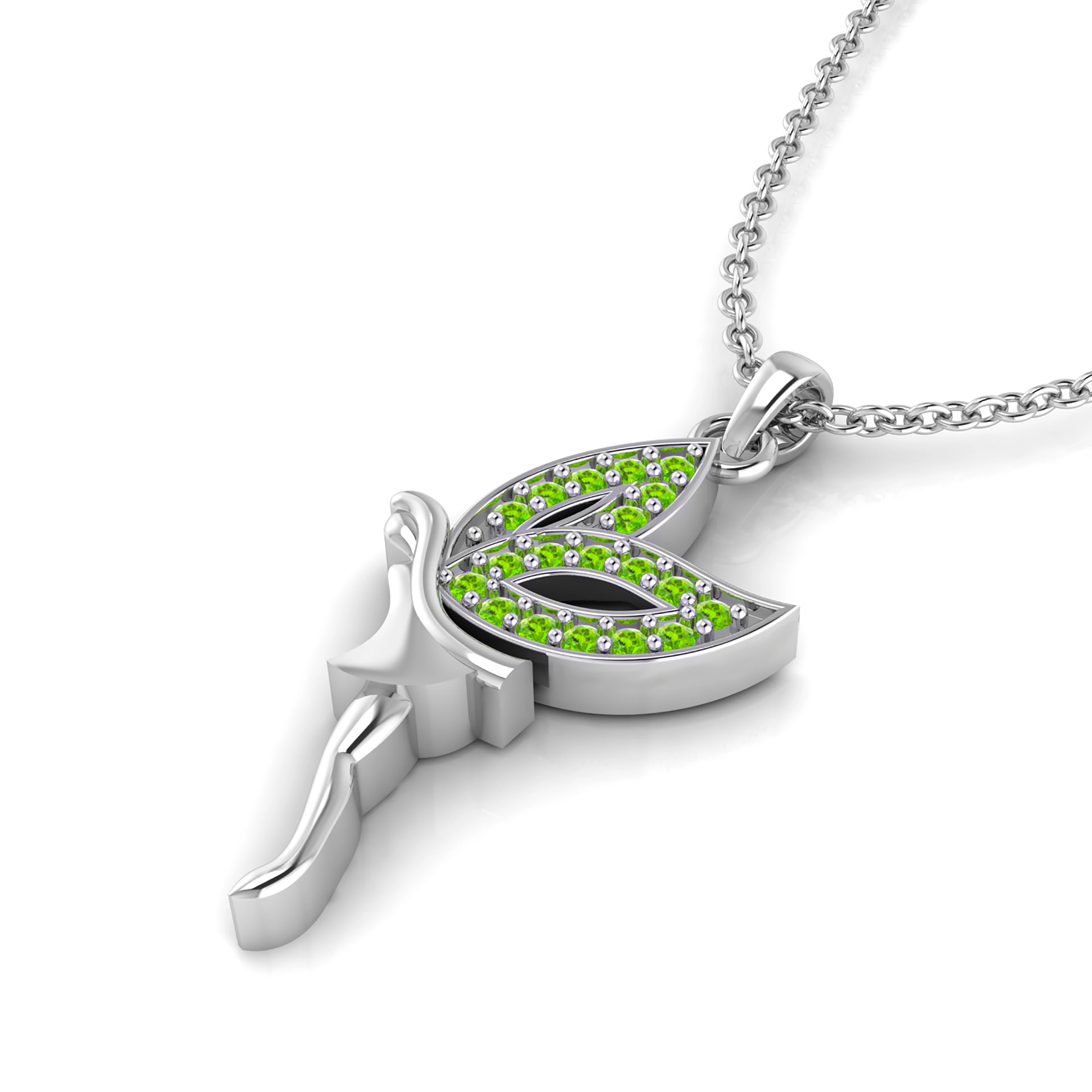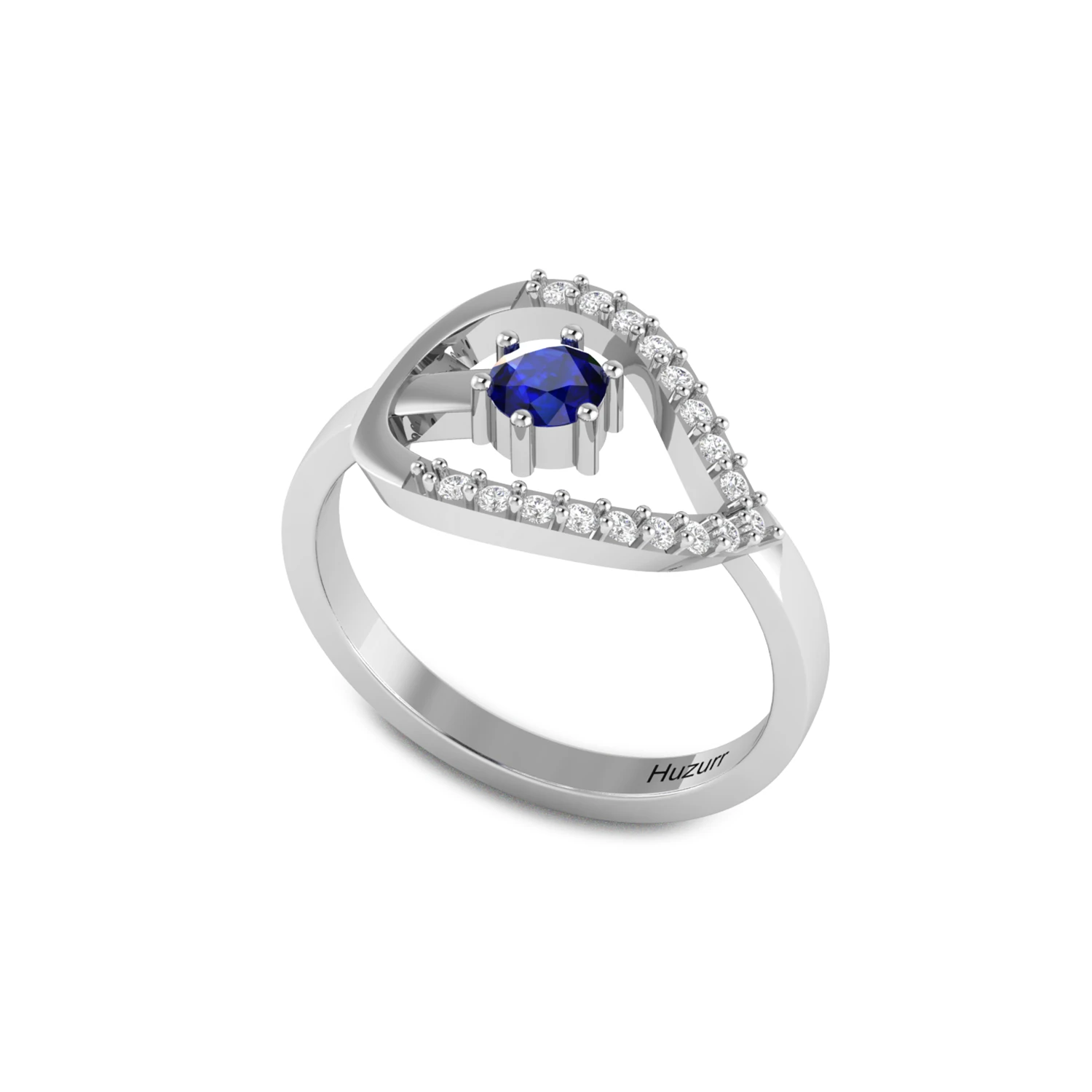
Choosing a gemstone becomes much easier once you stop asking, “Which stone is the most popular?” and start asking, “Which gemstone works best for the jewelry I want to wear?”
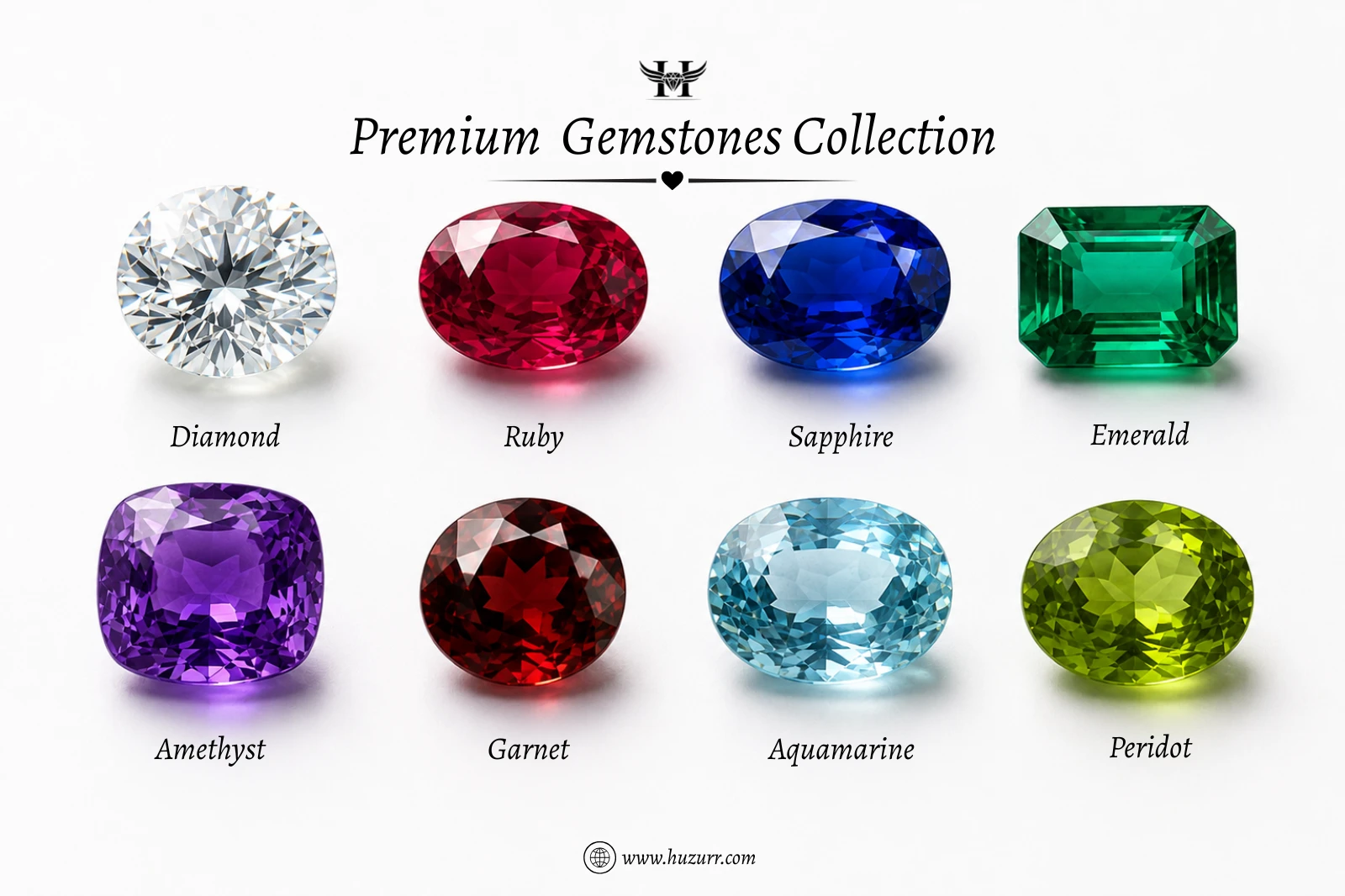
Diamond, sapphire, ruby, and emerald remain some of the most recognized gemstones, while amethyst, garnet, aquamarine, topaz, tourmaline, tanzanite, peridot, opal, and morganite give jewelry buyers far more choices in color, price, and style.
But popularity alone tells you very little about durability, value, or suitability.
This guide compares the most popular gemstones for jewelry so you can understand what makes them different and narrow down the right stone for your budget, lifestyle, and jewelry style.
What Are the Most Popular Gemstones?
Some of the most popular gemstones include diamond, sapphire, ruby, emerald, amethyst, garnet, aquamarine, topaz, tourmaline, tanzanite, peridot, opal, morganite, and spinel.
Diamond remains especially familiar in engagement and fine jewelry, while sapphire, ruby, and emerald are among the best-known colored gemstones. Sapphire is also particularly prominent within the colored-gemstone jewelry market.
There is no permanent ranking of the “most popular stone.” Trends, budgets, birthstones, fashion, and jewelry type all affect demand.
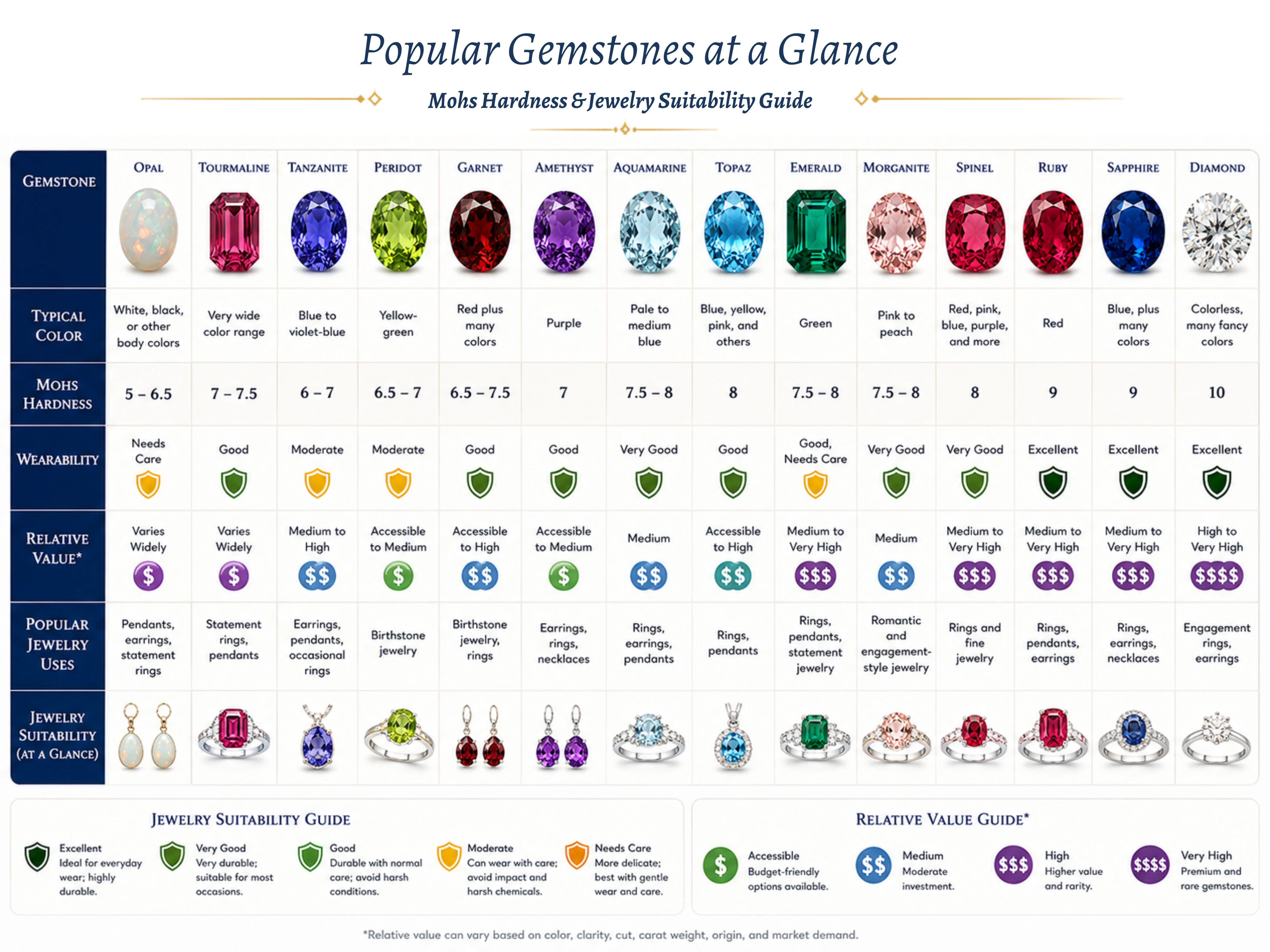
Popular Gemstones at a Glance
|
Gemstone |
Typical Color |
Mohs Hardness |
Wearability |
Relative Value* |
Popular Jewelry Uses |
|
Diamond |
Colorless, many fancy colors |
10 |
Excellent |
High to very high |
Engagement rings, earrings |
|
Ruby |
Red |
9 |
Excellent |
Medium to very high |
Rings, pendants, earrings |
|
Sapphire |
Blue, plus many colors |
9 |
Excellent |
Medium to very high |
Rings, earrings, necklaces |
|
Emerald |
Green |
7.5–8 |
Good, needs care |
Medium to very high |
Rings, pendants, statement jewelry |
|
Amethyst |
Purple |
7 |
Good |
Accessible to medium |
Earrings, rings, necklaces |
|
Garnet |
Red plus many colors |
6.5–7.5 |
Good |
Accessible to high |
Birthstone jewelry, rings |
|
Aquamarine |
Pale to medium blue |
7.5–8 |
Very good |
Medium |
Rings, earrings, pendants |
|
Topaz |
Blue, yellow, pink, and others |
8 |
Good |
Accessible to high |
Rings, pendants |
|
Tourmaline |
Very wide color range |
7–7.5 |
Good |
Varies widely |
Statement rings, pendants |
|
Tanzanite |
Blue to violet-blue |
6–7 |
Moderate |
Medium to high |
Earrings, pendants, occasional rings |
|
Peridot |
Yellow-green |
6.5–7 |
Moderate |
Accessible to medium |
Birthstone jewelry |
|
Opal |
White, black,k or other body colors |
5–6.5 |
Needs care |
Varies widely |
Pendants, earrings, statement rings |
|
Morganite |
Pink to peach |
7.5–8 |
Very good |
Medium |
Romantic and engagement-style jewelry |
|
Spinel |
Red, pink, blue, purple,le and more |
8 |
Very good |
Medium to very high |
Rings and fine jewelry |
*These are broad positioning categories, not price guarantees. Gemstone value can vary dramatically within the same variety.
The Mohs scale measures resistance to scratching, not complete durability. A gemstone may rank relatively high in hardness but still be vulnerable to cleavage, fractures,res or sharp impacts.
Types of Popular Gemstones
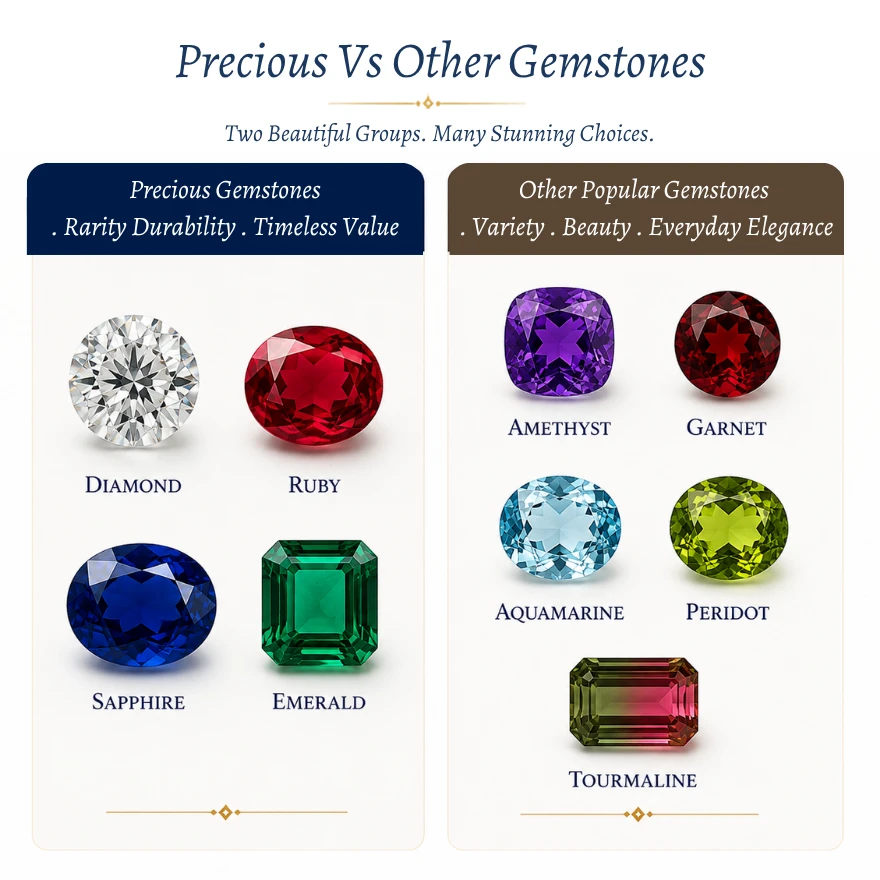 Traditional Precious Gemstones
Historically, four stones have commonly been grouped as precious gemstones:
- Diamond
- Ruby
- Sapphire
- Emerald
The distinction is traditional rather than a complete scientific system for judging value.
A rare tourmaline, spinel, or garnet can be more valuable than a low-quality stone carrying the “precious” label.
For a deeper explanation, read Huzurr's Precious vs Semi-Precious Gemstones guide.
Popular Colored Gemstones
Colored gemstone jewelry extends far beyond ruby, sapphire, and emerald.
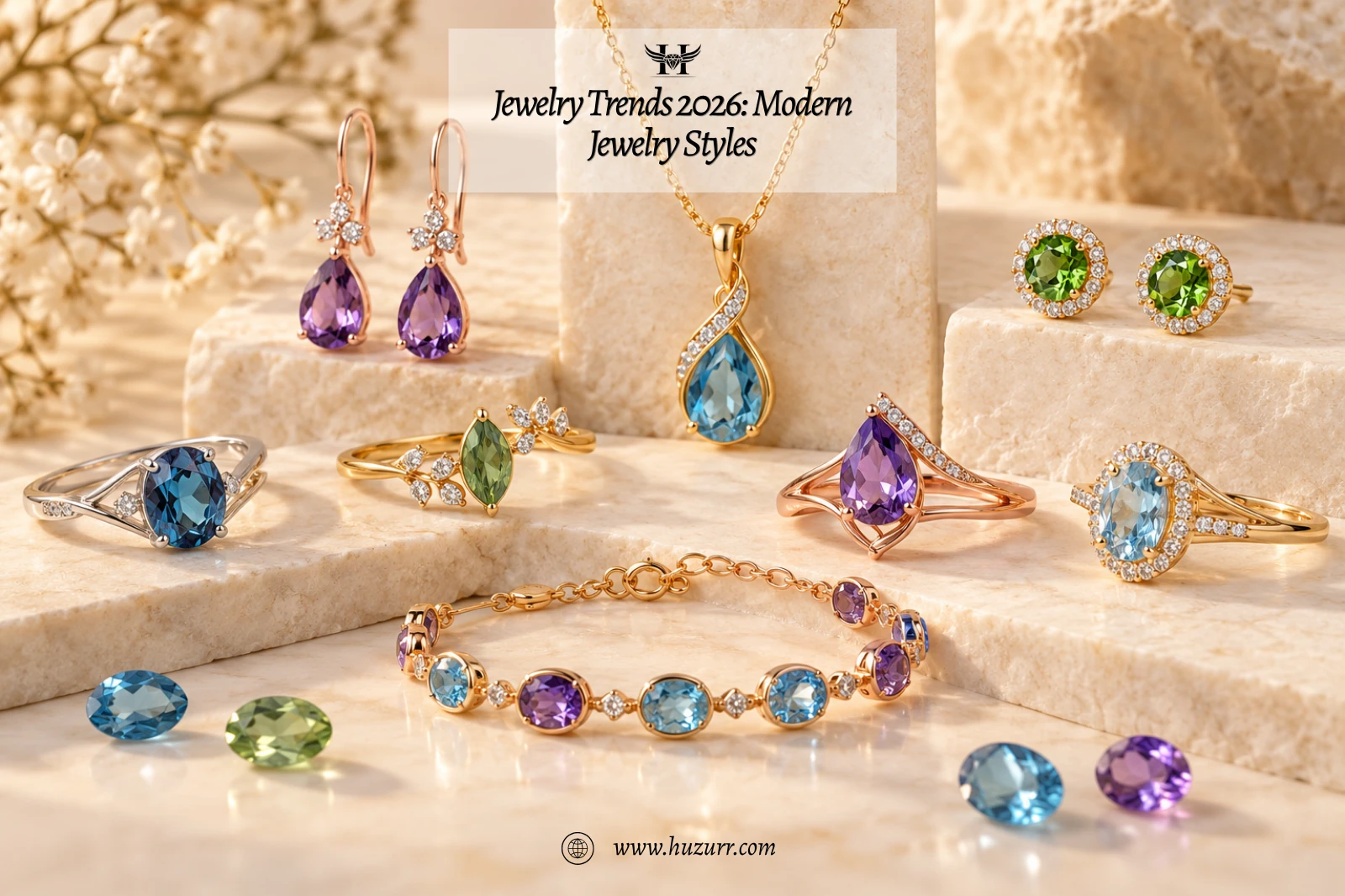
Aquamarine offers cooler pale-blue shades. Morganite brings peach and pink tones. Tanzanite is known for blue-to-violet color, while tourmaline can appear across an unusually broad spectrum.
If you are comparing two blue options, Huzurr's Sapphire vs Tanzanite guide explains why similar-looking colors can come with very different wear considerations.
Popular Semi-Precious Stones
Amethyst, garnet, peridot, topaz, aquamarine, and tourmaline are among the well-known gemstones traditionally described as semi-precious.
Do not assume this means “cheap.” Exceptional examples of certain varieties can be rare and expensive.
What Determines a Gemstone's Value?
Gemstone value usually comes from a combination of factors rather than one feature.
Color
For many colored gemstones, color has a major influence on desirability. Hue, tone, and saturation all matter.
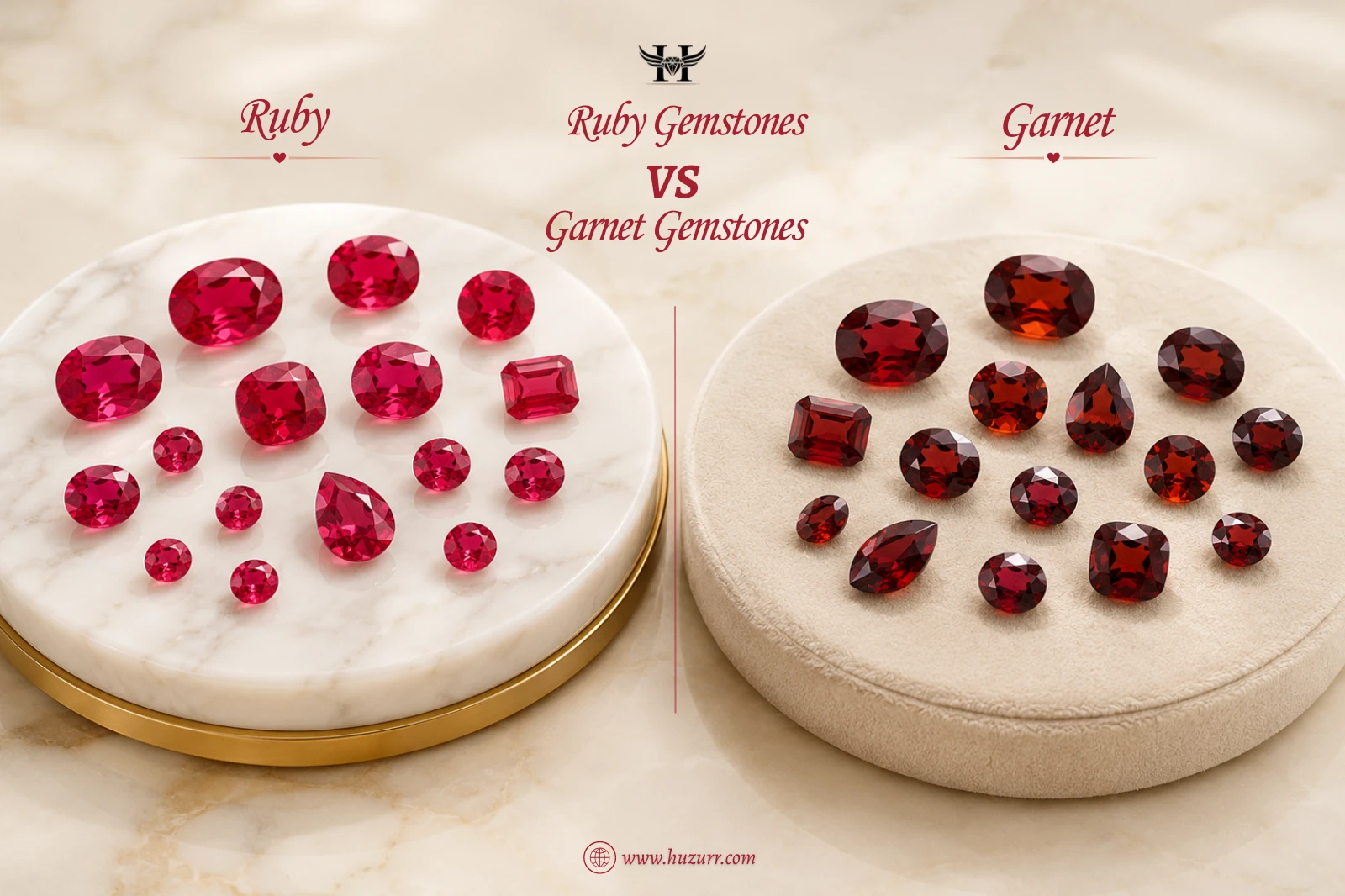
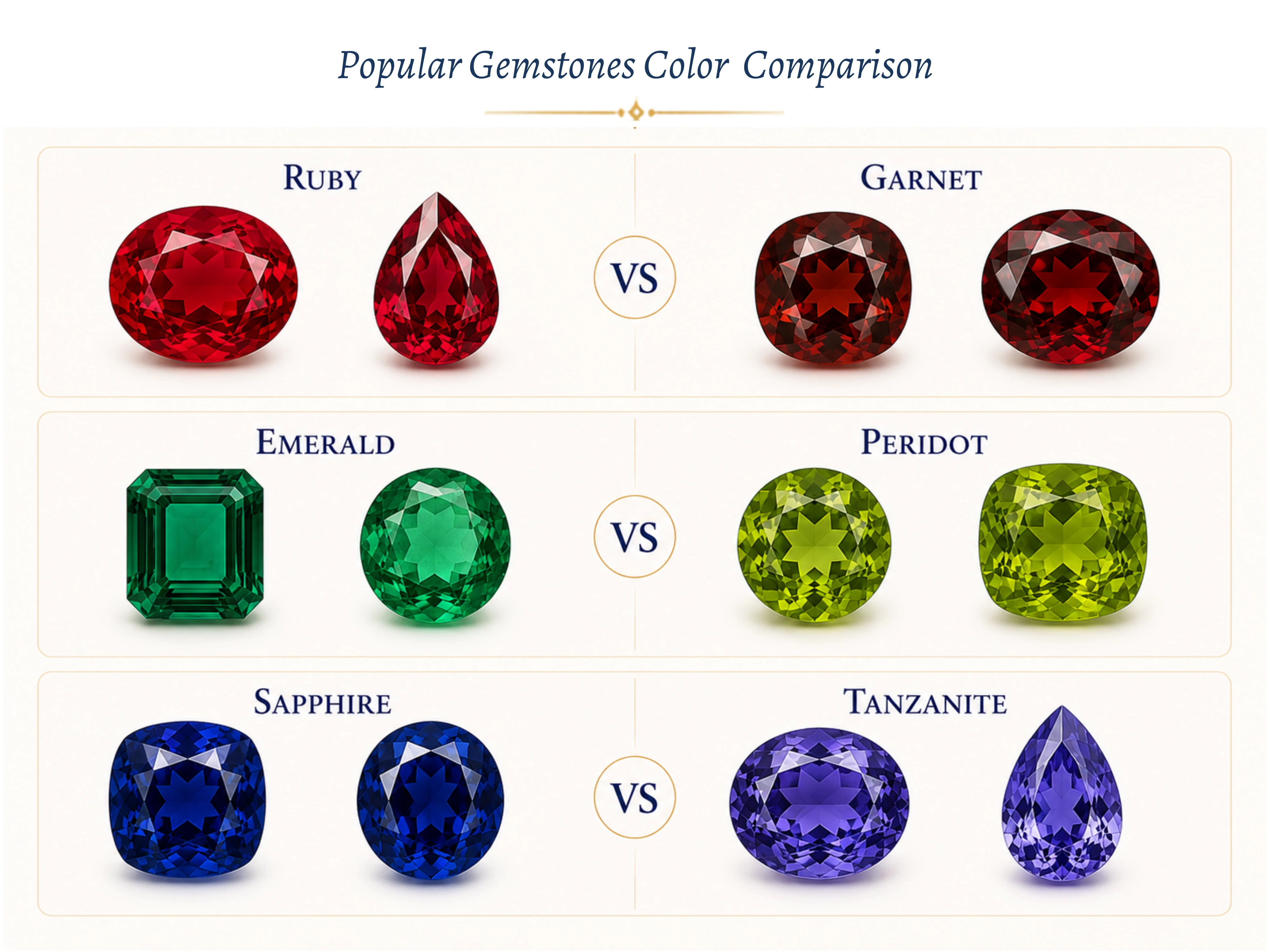
A vivid ruby and a dark garnet may both be red, for example, but they can occupy completely different markets.
Huzurr's Ruby vs Garnet comparison explains their differences in color, mineral family, durability, and typical price positioning.
Clarity
Clarity should be judged according to the gemstone.
Visible internal characteristics are common in emerald, while buyers may expect a different level of apparent cleanliness from aquamarine or topaz.
Cut and Carat Weight
Good cutting can improve brightness, color presentation, and proportion.
Larger gemstones can become disproportionately more expensive when high-quality large material is rare.
Rarity and Origin
Rare varieties, exceptional colors, and—in some categories—documented geographic origin can affect value.
Origin should never replace the actual quality of the stone.
Treatments
Heat treatment is common for some gemstones. Oils or fillers are associated with many emeralds. Irradiation and heating are commonly used to produce some topaz colors.
Treatment does not automatically make a gemstone undesirable, but disclosure matters because treatment can affect value and care requirements.
How Popular Gemstones Compare
 Best for Durability
Diamond ranks 10 on the Mohs scale, while ruby and sapphire rank 9. These are strong starting points for frequently worn jewelry.
Spinel at about 8 and aquamarine at roughly 7.5–8 also offer useful scratch resistance.
Best for Color Variety
Tourmaline and sapphire give buyers especially broad color choices.
Garnet also goes far beyond the dark red most shoppers recognize.
For two popular red options, compare ruby vs garnet.
Popular Green Gemstones
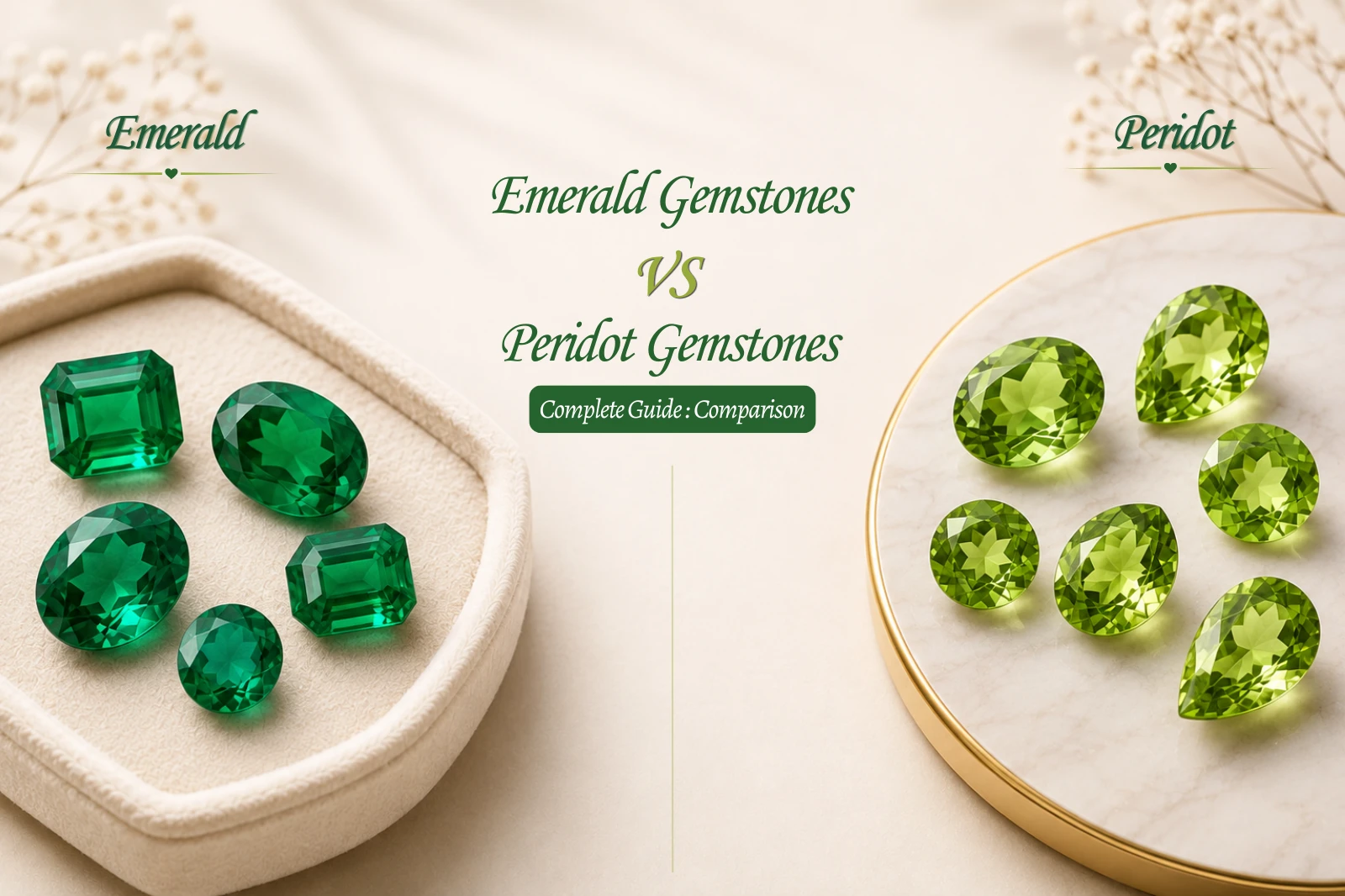
Emerald offers deeper green to bluish-green shades, while peridot normally appears much more yellow-green.
The two can therefore create completely different jewelry styles despite belonging to the same broad color category.
See Huzurr's detailed Emerald vs Peridot guide for a jewelry-focused comparison.
Which Gemstones Are Best for Jewelry?
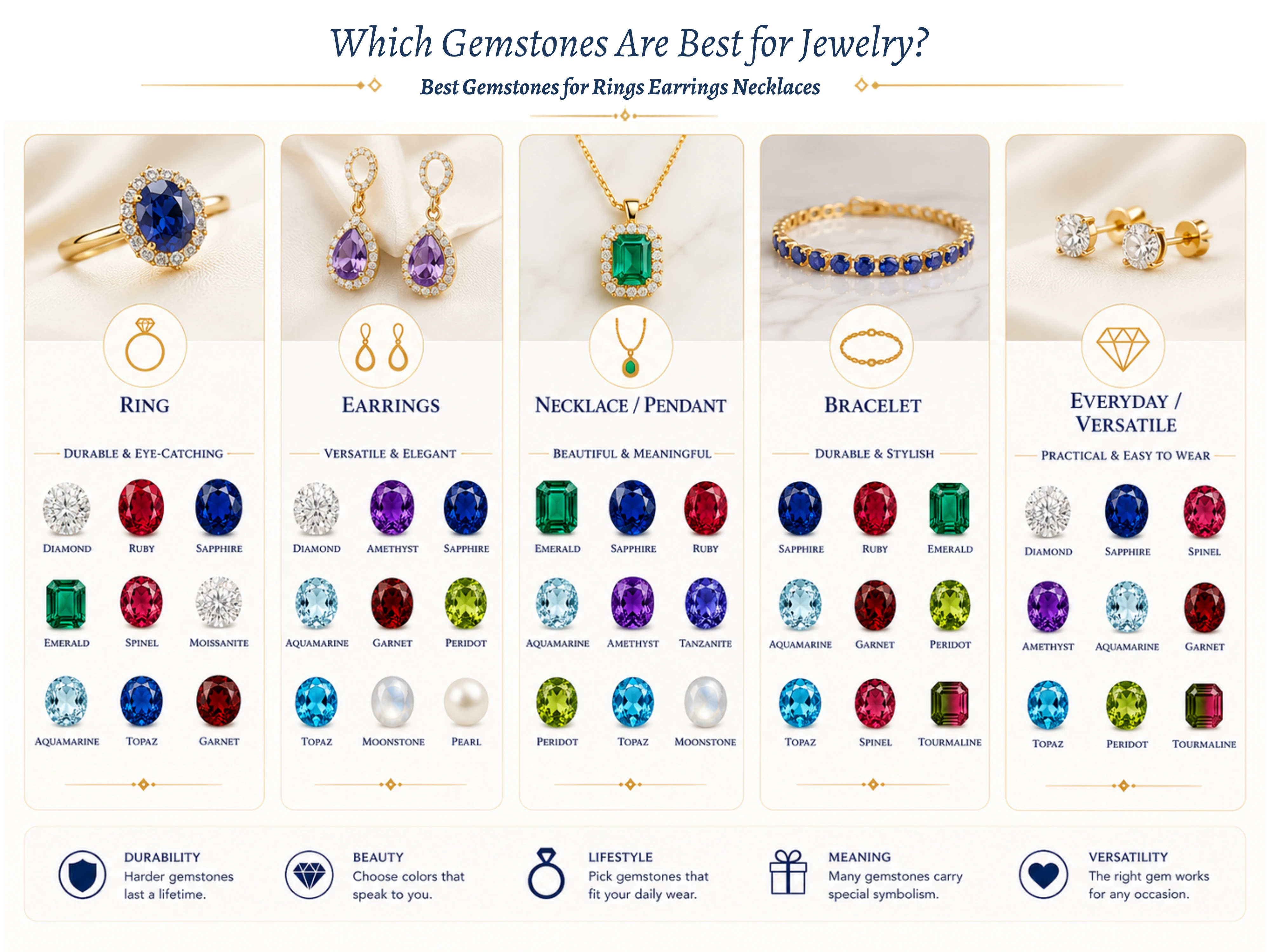 The best gemstone depends partly on where you wear it.
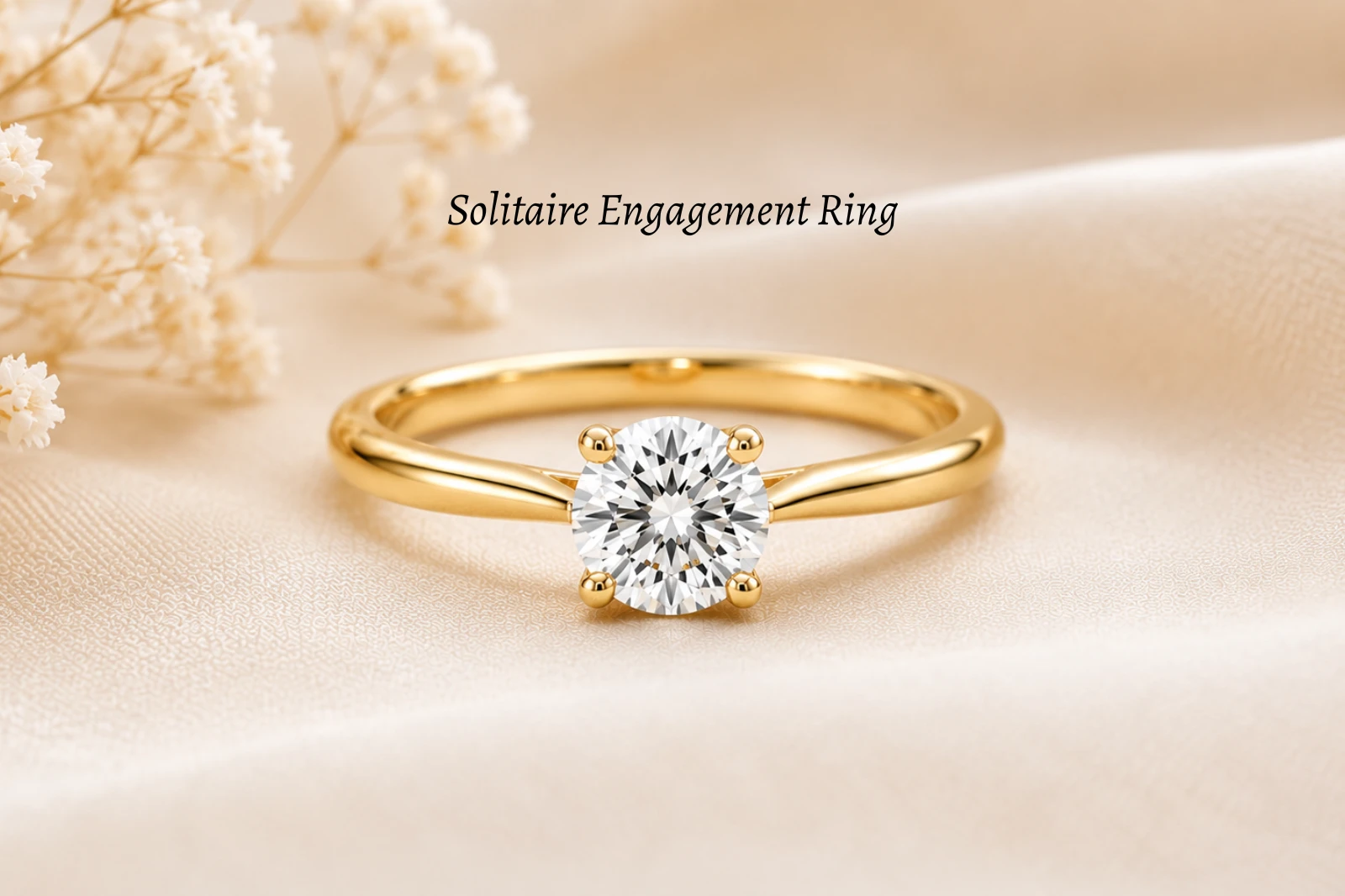
Engagement and Everyday Rings
Frequently worn rings benefit from stronger scratch resistance and appropriate toughness.
Diamond, sapphire, and ruby are common choices. Spinel can also be worth considering.
Emerald can work beautifully, but inclusions and fractures mean it deserves more thoughtful handling.
Earrings and Necklaces
These pieces usually experience less impact, which makes softer gemstones easier to consider.
Tanzanite, opal, peridot and amethyst can all work well when appropriate care is taken.
Bracelets
Bracelets regularly hit desks, doors and other surfaces.
Pay closer attention to the gemstone's durability and how exposed it is within the setting.
Statement Jewelry
This is where color and individuality can become more important than maximum durability.
Tourmaline, opal, tanzanite, topaz, garnet,t and large colored stones can create eye-catching designs that do not need to survive the same wear as an everyday ring.
How to Choose the Right Gemstone
Use these seven questions before choosing among popular jewelry stones:
-
What color do I actually want?
Start with your favorite appearance rather than gemstone reputation. -
How often will I wear it?
An occasional cocktail ring has different needs from an engagement ring. -
Where will I wear the stone?
Earrings usually protect a gemstone better than rings or bracelets. -
What is my budget?
Compare complete stones and designs instead of assuming one gemstone category is always cheaper. -
Am I comfortable with treatments?
Ask how a gemstone has been treated and whether that changes recommended care. -
Do I want natural or lab-created material?
Decide whether origin matters to you before comparing prices. -
Which design fits my lifestyle?
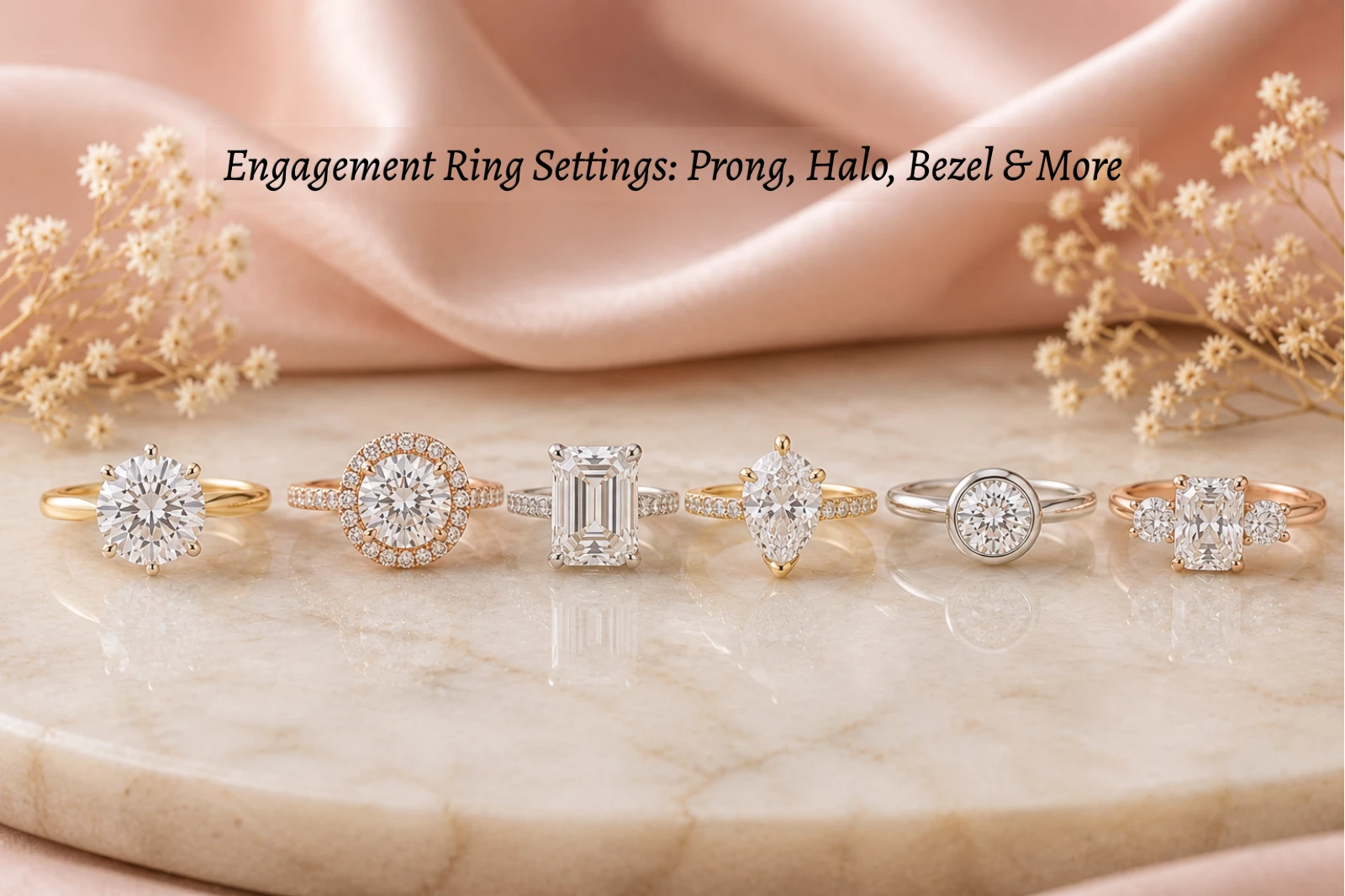
A protected setting can sometimes matter almost as much as the gemstone itself.
The best gemstone is not necessarily the rarest, hardest, or most expensive.
It is the one whose color, durability, care needs, design, and cost fit the way you plan to wear it.
FAQ Section
What are the most popular gemstones?
Diamond, sapphire, ruby, and emerald are among the most recognized gemstones. Amethyst, garnet, aquamarine, topaz, tourmaline, tanzanite, peridot, opal, morganite, and spinel are also widely used in jewelry.
Which gemstones are most popular for jewelry?
Diamond is especially common in engagement and fine jewelry, while sapphire, ruby, and emerald are major colored-gemstone choices. Amethyst, garnet, aquamarine, topaz, and other colored stones are also popular for rings, earrings,s and necklaces.
What is the most valuable gemstone?
There is no single gemstone that is always the most valuable. Price depends on variety, color, clarity, size, rarity, origin, treatment, market demand,d and individual quality. Exceptional specimens can be worth dramatically more than average stones of the same type.
What is the best gemstone for everyday jewelry?
Diamond, ruby, and sapphire are strong options for frequently worn jewelry because of their high scratch resistance. However, setting design, toughness, inclusions,s and how the jewelry is worn also affect long-term durability.
What is the difference between precious and semi-precious gemstones?
Diamond, ruby, sapphire and emerald have traditionally been called precious stones, while many other gemstones were classified as semi-precious. The terminology does not determine actual quality or value; rare examples of traditionally semi-precious gemstones can be extremely valuable.