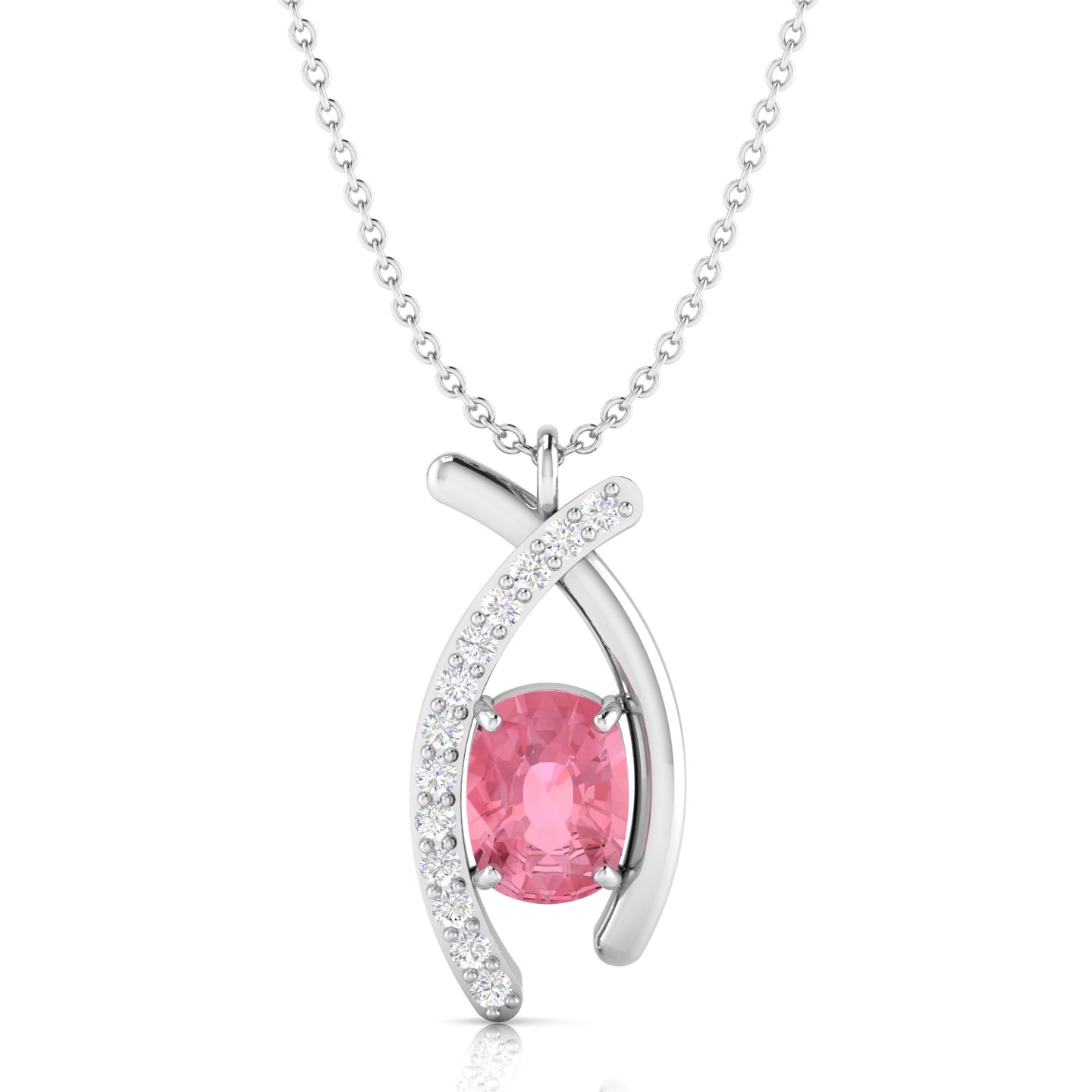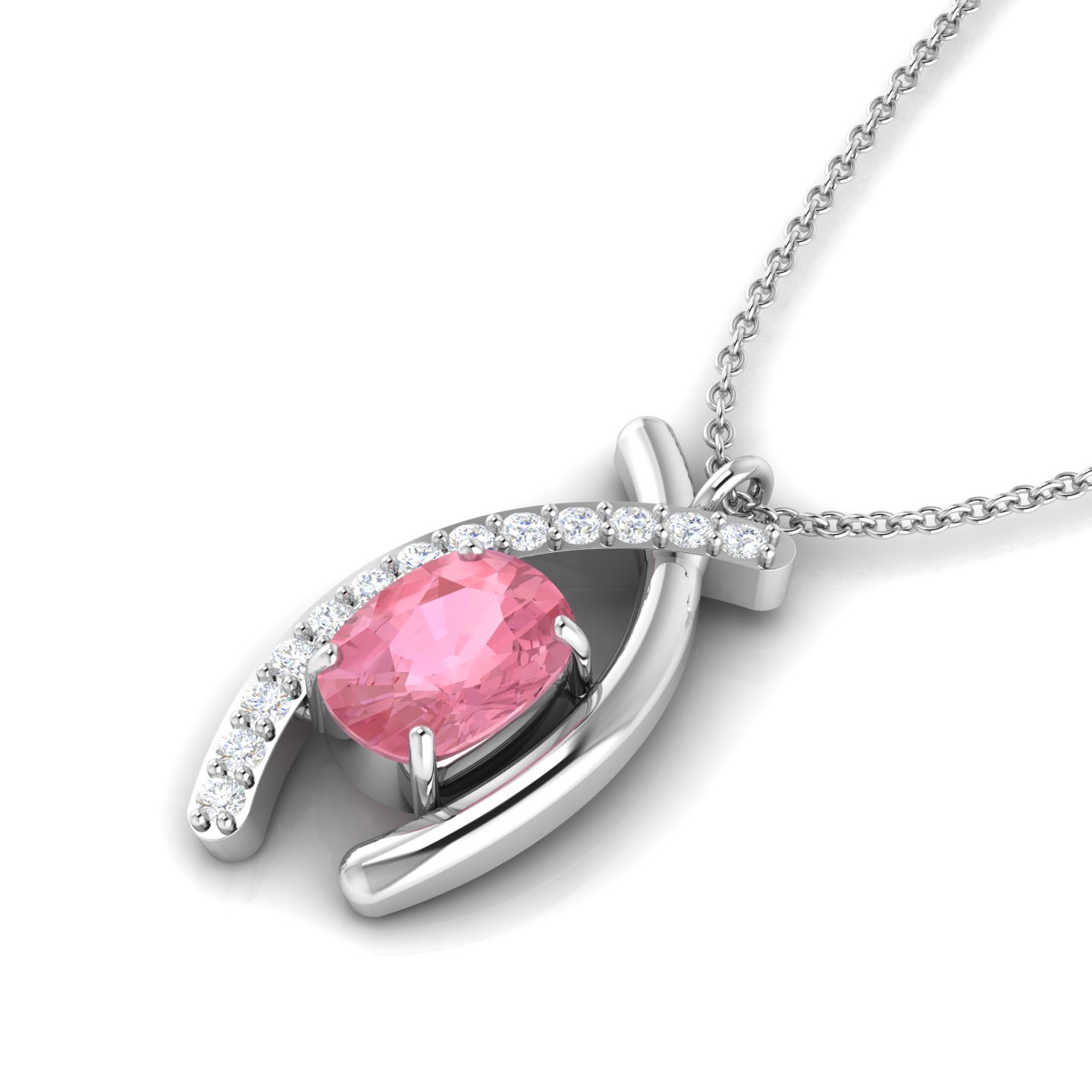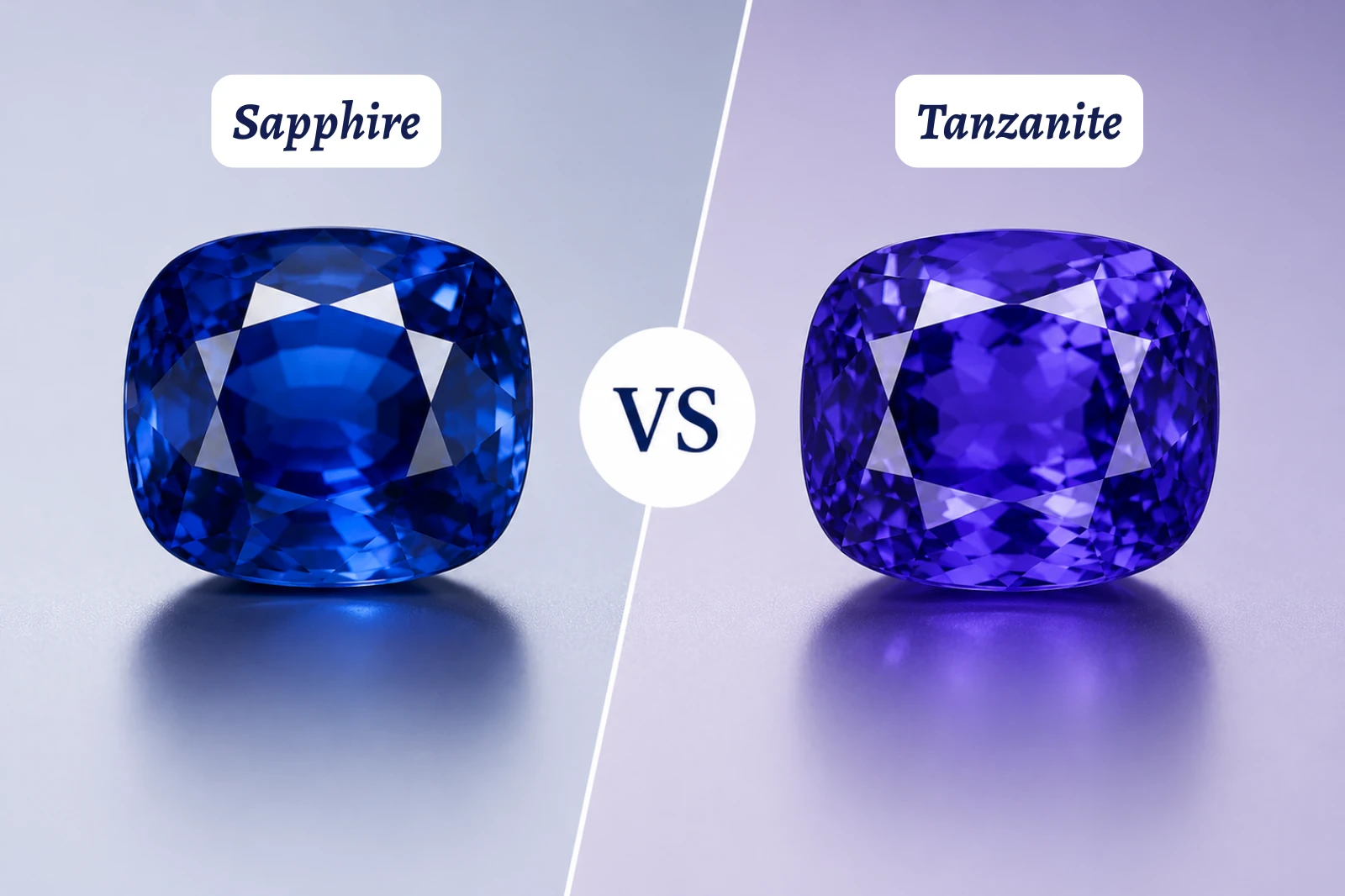
Imagine walking through the glass doors of a fine jewelry showroom. The lighting is soft, the display cases glow, and directly ahead are two blue gemstone rings placed side by side.
The first holds a deep blue sapphire. Its color feels confident, timeless, and almost royal. It looks like the kind of ring that could be worn every day and passed down decades later.
Beside it is tanzanite. The stone shifts between blue, violet, and soft purple as you move around the display. It feels rarer, more expressive, and slightly unexpected.
Both are beautiful. Both can become the centerpiece of a meaningful ring, necklace, or pair of earrings. But they are not interchangeable.
When comparing sapphire vs tanzanite, sapphire is generally the stronger choice for daily-wear rings because of its exceptional durability. Tanzanite is better for buyers who want rare violet-blue color, larger visual impact, and jewelry that feels more unusual.
This guide will help you compare their color, durability, rarity, price, symbolism, and suitability for engagement rings. You will also find carefully selected Huzurr jewelry options so you can move from comparison to purchase with confidence.
Ready to explore the blue gemstone counter? Shop Huzurr gemstone rings and compare sapphire and tanzanite designs in real jewelry settings.
Sapphire vs Tanzanite at a Glance
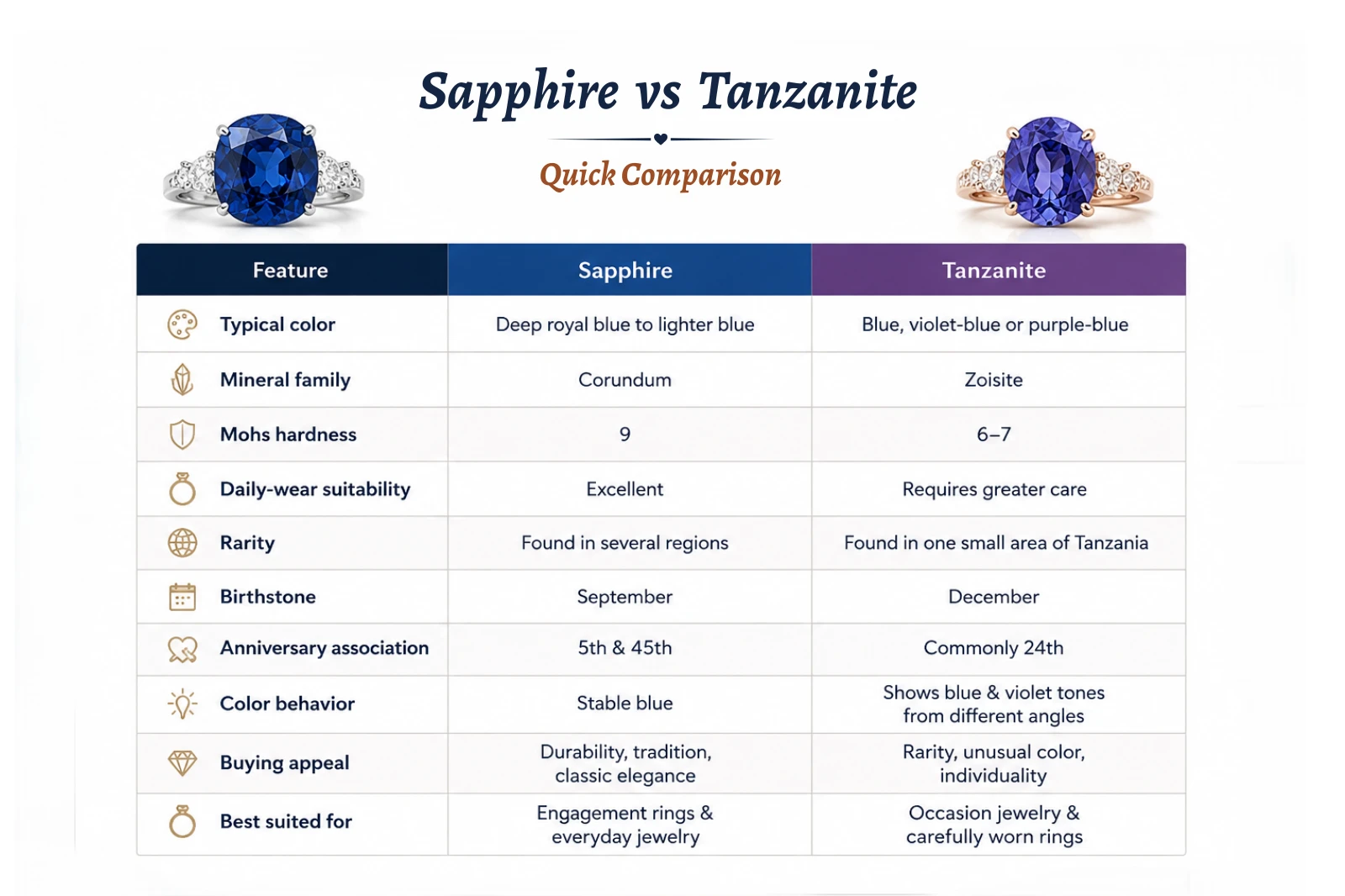
Before trying on the jewelry, consider the practical differences.
|
Feature |
Sapphire |
Tanzanite |
|
Typical color |
Deep royal blue to lighter blue |
Blue, violet-blue or purple-blue |
|
Mineral family |
Corundum |
Zoisite |
|
Mohs hardness |
9 |
Approximately 6–7 |
|
Daily-wear suitability |
Excellent |
Requires greater care |
|
Rarity |
Found in several regions |
Found commercially in one small area of Tanzania |
|
Birthstone |
September |
December |
|
Anniversary association |
5th and 45th |
Commonly associated with the 24th |
|
Color behavior |
Usually displays a more stable blue |
Can show different blue and violet tones from different angles |
|
Typical buying appeal |
Durability, tradition and classic elegance |
Rarity, unusual color and individuality |
|
Best suited for |
Engagement rings and everyday jewelry |
Occasion jewelry and carefully worn rings |
Sapphire belongs to the corundum mineral family and reaches 9 on the Mohs hardness scale. Tanzanite is a variety of zoisite, and GIA guidance places it at approximately 6 to 7 with lower toughness, which makes protective settings and careful wear especially important.
Showroom recommendation: Choose sapphire when durability comes first. Choose tanzanite when color personality and rarity matter more.
Sapphire: The Classic Blue Gemstone Counter
Now step toward the first display.
The sapphire under the spotlight does not need to work hard for attention. Its blue feels composed and permanent. This is the gemstone shoppers often choose when they want a ring to represent loyalty, commitment, wisdom, or lasting love.
Although sapphire is best known for blue, the gemstone can also occur in yellow, pink, green, purple, orange, and other colors. The red variety of corundum is classified as ruby rather than sapphire.
For blue sapphire, value is strongly influenced by color saturation, tone, clarity, cut, size, treatment, and sometimes geographic origin. Pure or vivid blue shades are frequently more desirable than stones that appear overly dark, gray, or washed out.
Why Buyers Choose Sapphire Jewelry
Sapphire offers three important advantages.
First, it is highly resistant to scratching. With a hardness of 9, it is one of the most durable natural gemstones commonly used in fine jewelry.
Second, it has a long history in engagement and royal jewelry. Its traditional character makes it easy to imagine in an anniversary ring, heirloom piece, or meaningful proposal.
Third, sapphire works with almost every popular metal. Yellow gold creates an antique or royal mood. White gold and sterling silver make the blue appear cooler and brighter. Rose gold produces a softer, romantic contrast.
Huzurr Sapphire Ring to Try On
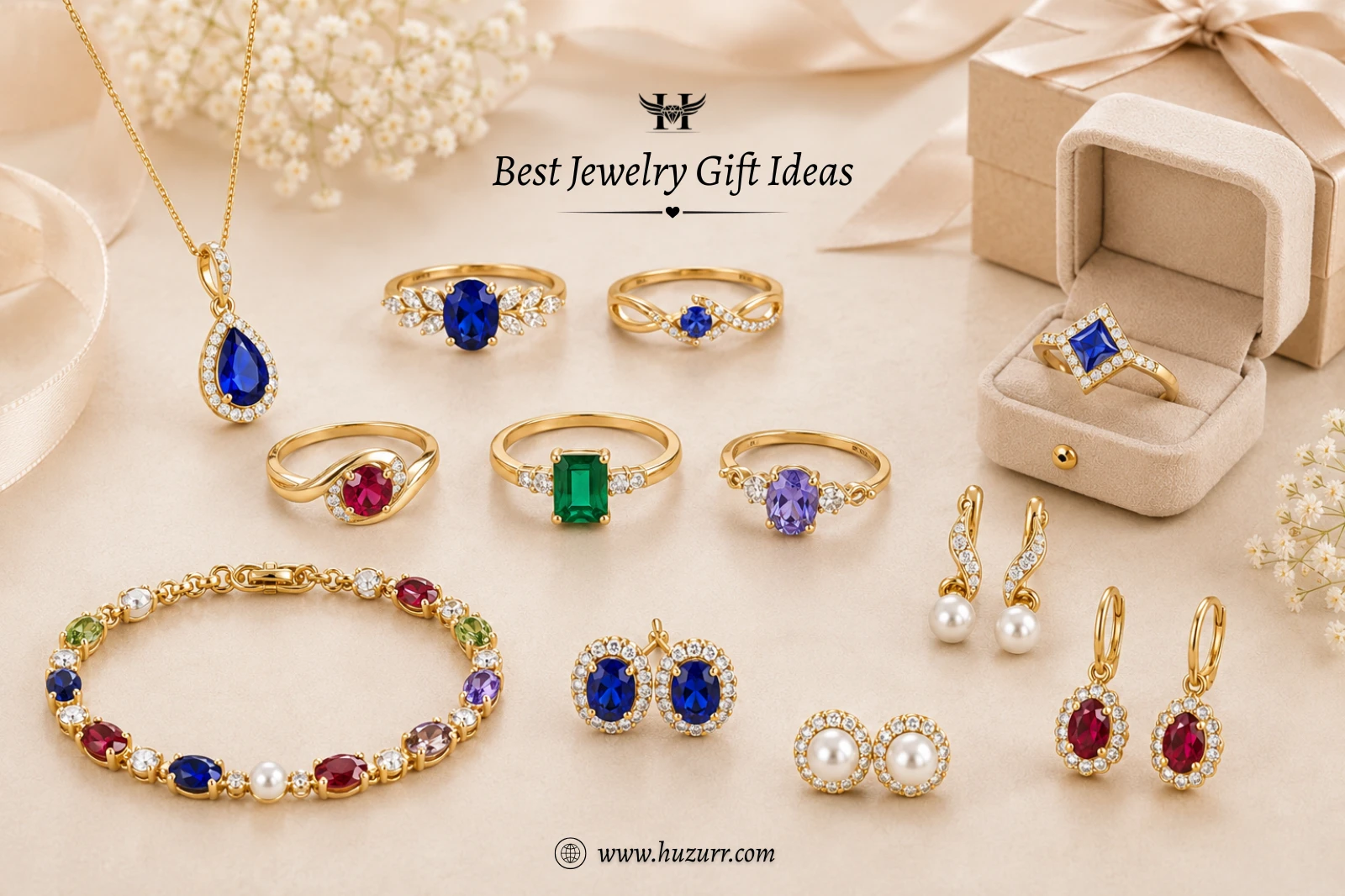
Begin with the Oval Sparkling Solitaire Blue Sapphire Sterling Silver Diamond Ring.
This Huzurr design features:
- An oval blue sapphire center stone
- Sterling silver construction
- Diamond accents
- A classic solitaire-inspired arrangement
- A polished, formal appearance
- A current listed price of $59 at the time of research
The oval shape makes this an easy introduction to sapphire jewelry. It feels traditional enough for a meaningful gift but dramatic enough to become the main piece in an outfit.
View the Oval Blue Sapphire Ring
Tanzanite: The Rare Violet-Blue Display
Move to the next case and the atmosphere changes.
Tanzanite rarely looks like one fixed shade. Turn the ring slightly, and the gemstone may move from deep blue to violet or purple. This color movement is one of its most recognizable characteristics.
Tanzanite is the blue-to-violet variety of zoisite. It is commercially sourced from one area near Mount Kilimanjaro in Tanzania, which gives it a geographical story that few gemstones can match. GIA describes fine tanzanite as displaying strong pleochroism, meaning different colors can appear when the stone is viewed from different directions.
Why Buyers Choose Tanzanite Jewelry
Tanzanite appeals to someone who does not want the most predictable blue gemstone.
Its violet undertone makes it feel more artistic than a standard blue stone. Depending on the lighting, it can coordinate with navy, lavender, purple, silver, white, and even warm gold jewelry.
It is also December’s birthstone, making it a thoughtful choice for December birthdays, holiday proposals, and personalized birthstone gifts.
Huzurr describes tanzanite rings as meaningful choices for engagements, anniversaries, birthdays, and symbolic gifts connected with transformation and commitment.
Huzurr Tanzanite Ring to Try On
Consider the Tanzanite Two-Stone Infinity Sterling Silver Ring.
This design combines:
- Two tanzanite stones
- A polished 925 sterling silver band
- An infinity-inspired setting
- Symbolism connected with lasting bonds
- A modern gift-ready design
Instead of presenting tanzanite as a single formal center stone, this ring uses two stones and an infinity motif. It is particularly suited to an anniversary, friendship gift, meaningful birthday, or celebration of a relationship that has grown over time.
View the Tanzanite Infinity Ring
Sapphire vs Tanzanite Color: Which Blue Looks Better?
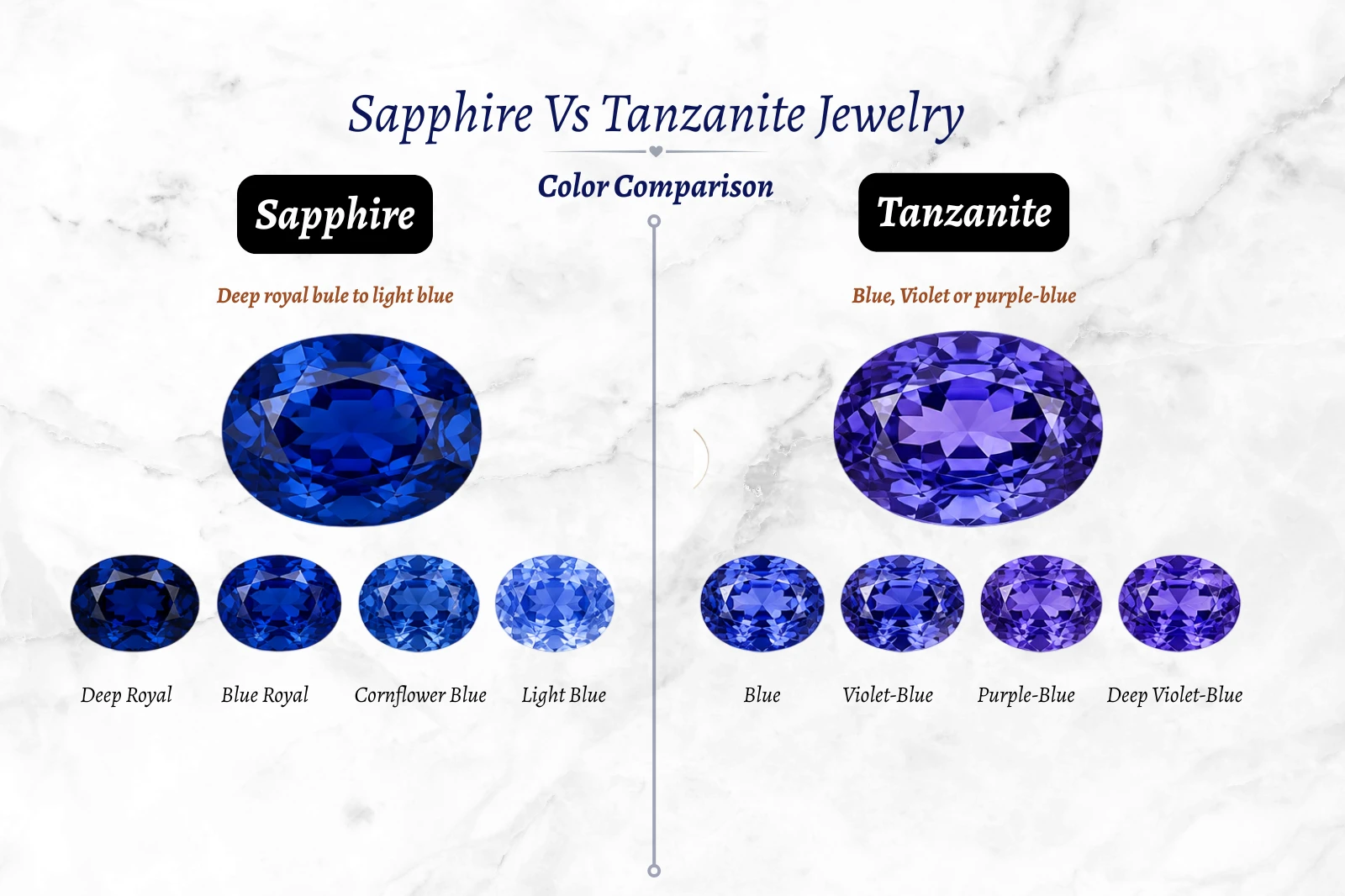
There is no universal winner because these gemstones create very different moods.
Choose Sapphire for a Confident Blue
Blue sapphire often presents a stronger, more stable blue impression. Fine stones may range from medium blue to intense royal or velvety blue.
In a jewelry showroom, sapphire is the stone that tends to look formal even in a simple setting. It pairs naturally with diamonds and can create the familiar visual language of a classic engagement ring.
Try the Cushion-Cut Blue Sapphire Gold-Plated Diamond Ring for a warmer, more luxurious presentation.
Its cushion-shaped blue center stone, gold-plated setting, and diamond accents create a look that feels richer and more traditional than a plain silver solitaire. Huzurr currently lists this ring at $54, subject to change.
Choose Tanzanite for Color Movement
Tanzanite offers a less predictable blue.
Fine stones may show blue, violet-blue, or purple depending on the viewing angle, cut, and lighting. This makes tanzanite especially attractive in earrings and pendants, where the gemstone moves and catches light throughout the day.
It feels less ceremonial than sapphire and more personal, creative, and modern.
Buying decision: Select sapphire when you want the gemstone to look unmistakably blue. Select tanzanite when you want the color to change and reveal violet character.
Tanzanite vs Sapphire Durability
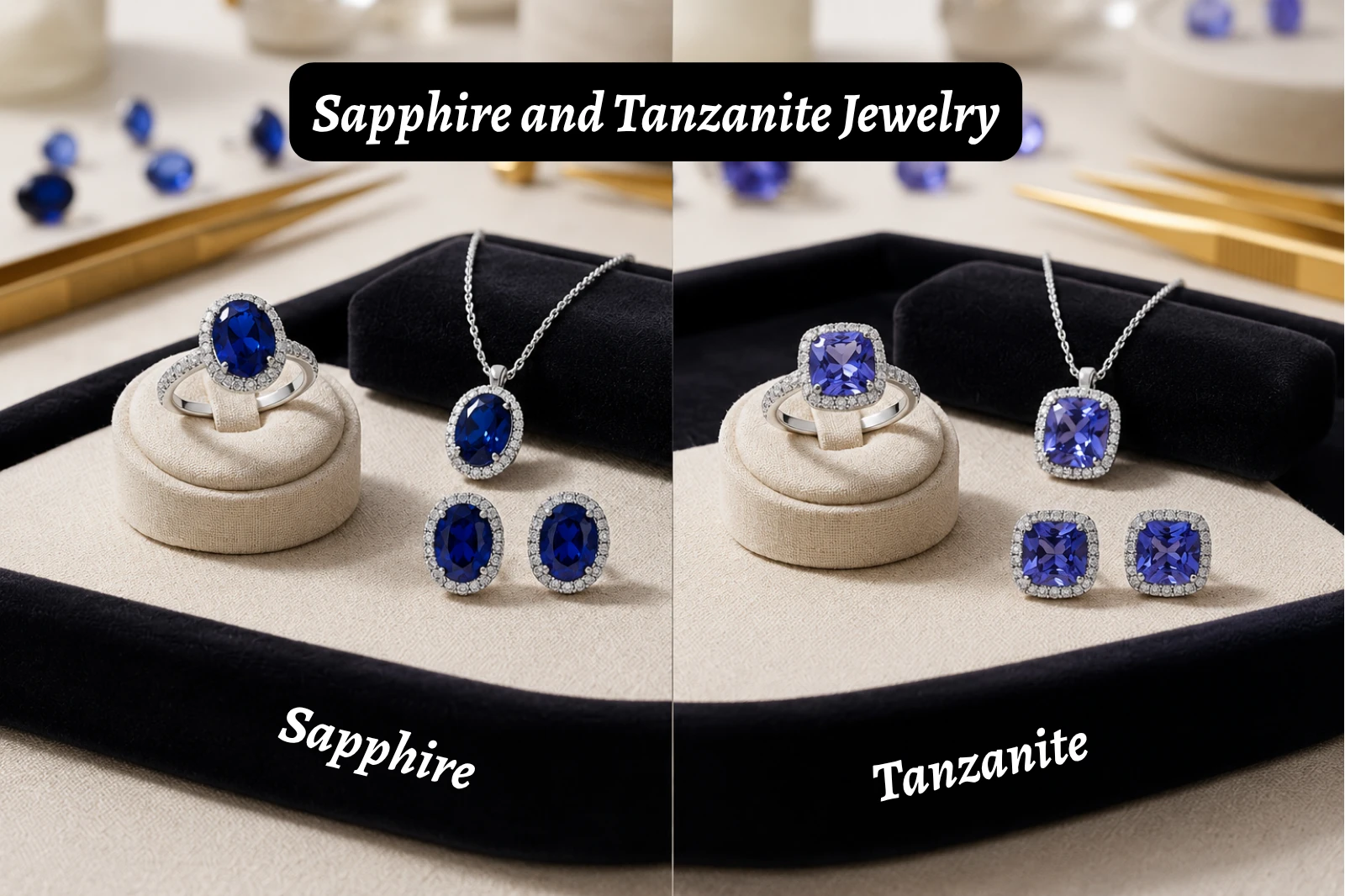
Durability is the most important practical difference in the sapphire vs tanzanite comparison.
Sapphire for Everyday Jewelry
Sapphire reaches 9 on the Mohs hardness scale. This gives it excellent resistance to scratching and makes it highly suitable for:
- Engagement rings
- Wedding jewelry
- Anniversary rings
- Daily-wear rings
- Bracelets
- Pendants
- Earrings
No gemstone is indestructible, but sapphire can generally handle frequent wear better than tanzanite.
For a ring that may be worn from morning to night, consider the 925 Silver Blue Sapphire Flower Ring.
The floral design softens the gemstone’s formal personality, making it suitable for shoppers who want a sapphire ring that feels feminine and decorative rather than strictly bridal. Huzurr lists it in sterling silver with free delivery and a published 21-day return window for eligible purchases.
Tanzanite for Mindful Wear
Tanzanite is softer and has lower toughness. It can scratch or suffer damage more easily if knocked against a hard surface.
GIA advises choosing a protective setting or using tanzanite in a ring that is not worn every day. Warm soapy water is recommended for cleaning, while ultrasonic and steam cleaners should be avoided.
Tanzanite works beautifully for:
- Dinner jewelry
- Special-occasion rings
- Pendant necklaces
- Drop earrings
- Anniversary jewelry
- Carefully worn cocktail rings
Showroom verdict: Sapphire suits the buyer who forgets to remove a ring. Tanzanite suits the buyer who enjoys caring for special jewelry.
Sapphire vs Tanzanite Price
Gemstone prices vary too widely to declare that one stone is always cheaper.
Color, size, treatment, clarity, origin, cut, setting, metal, brand, and craftsmanship all affect the final jewelry price.
However, commercial tanzanite is often considered a more accessible way to purchase a large violet-blue center stone than a comparable top-quality natural blue sapphire. Fine sapphires with elite color, large size, desirable origin, and no heat treatment can command substantial premiums.
Tanzanite value generally increases when the stone shows strong, saturated violet-blue or blue color, attractive cutting, and few visible inclusions. GIA notes that paler tanzanite is more common and usually less valuable.
How to Spend Your Budget Wisely
Do not buy by carat weight alone.
For sapphire, prioritize a blue tone you genuinely enjoy. An expensive stone that appears too dark indoors may bring less pleasure than a smaller stone with brighter color.
For tanzanite, observe the gemstone from several angles. Look for lively blue and violet tones rather than a stone that appears dull or gray.
For either gemstone, also check:
- Whether the stone is natural or lab-created
- Whether it has been treated
- The metal used in the setting
- Stone dimensions
- Prong security
- Return conditions
- Product photographs in different lighting
- Any available authenticity details
Sapphire or Tanzanite for an Engagement Ring?
An engagement ring is more than a display piece. It may be worn while working, driving, traveling, exercising, or handling everyday objects.
That makes sapphire the safer general recommendation for an engagement ring.
Its 9 Mohs hardness rating, traditional symbolism, and strong history in bridal jewelry make it suitable for long-term daily use.
Try the Oval Blue Sapphire Diamond Gold-Plated Ring when you want an engagement-inspired design with extra sparkle.
Its oval blue center stone is surrounded by bright accents and paired with a warm gold-plated finish. The look sits between a classic solitaire and a halo ring, giving it more visual presence without losing the sapphire’s timeless personality.
Tanzanite can still be chosen for an engagement ring, particularly when the wearer loves its color and understands the extra care required. A protective halo, bezel, lower-profile setting, or secure prong design can reduce risk.
Choose Sapphire When:
- The ring will be worn every day
- Durability is a major priority
- You prefer a classic royal-blue appearance
- You want a September birthstone
- You want an heirloom-style piece
Choose Tanzanite When:
- You want something less traditional
- Violet-blue color is your main attraction
- The ring will be worn carefully
- You want a December birthstone
- Rarity of origin matters to you
The Unique Showroom Test: Which Gemstone Matches Your Personality?
Rather than asking only which gemstone is “better,” ask which one looks like you.
The Sapphire Buyer
You are drawn to clean tailoring, classic colors, and jewelry that never appears out of place.
You want one meaningful ring that can move from a business meeting to an anniversary dinner. You appreciate tradition, but you still want enough color to stand apart from a diamond.
Your showroom match is the Princess-Cut Blue Sapphire Wave Solitaire Ring.
Its 7 mm princess-cut blue sapphire, V-prong setting, silver band, and flowing wave design create a modern interpretation of classic sapphire jewelry.
The Tanzanite Buyer
You notice color before size.
You enjoy jewelry that looks different in sunlight, restaurant lighting, and evening photographs. You are less interested in choosing what everyone recognizes and more interested in owning something with a rare geographical story.
Your showroom match is Huzurr’s tanzanite ring collection, where the violet-blue gemstone appears in symbolic, gift-focused, and statement designs.
Can You Wear Sapphire and Tanzanite Together?
Yes—and this may be the most interesting way to approach the comparison.
Instead of treating tanzanite vs sapphire as a contest, use both gemstones to create a layered blue palette.
A deep sapphire ring can become the anchor, while tanzanite earrings bring violet movement near the face. Sapphire provides visual depth; tanzanite adds light and color variation.
Try this showroom combination:
- Wear the Cushion-Cut Blue Sapphire Gold-Plated Ring as the primary statement.
- Add tanzanite earrings from the Huzurr tanzanite earrings collection.
- Keep the remaining jewelry minimal so the two shades of blue remain the focus.
Huzurr’s tanzanite earring collection includes styles ranging from simple studs to more expressive drop designs, allowing the gemstone to move and display its changing violet-blue color.
This combination is particularly attractive for winter events, December celebrations, formal dinners, and blue-themed wedding styling.
How to Choose the Right Blue Gemstone Jewelry
Before leaving the showroom, make five final decisions.
1. Decide How Often You Will Wear It
For a daily ring, sapphire is more practical.
For a special necklace, earrings, or occasional ring, tanzanite can offer more unusual color.
2. View the Color in Different Lighting
Ask how the gemstone looks in daylight, indoor lighting, and shadow.
Sapphire can appear darker indoors. Tanzanite may display more violet or purple under certain light.
3. Select the Right Metal
Choose yellow gold or gold plating for warmth and contrast.
Choose white gold, platinum, or silver for a cooler blue-on-white look.
Choose rose gold when you want a romantic contrast with blue or violet.
4. Think Beyond the Center Stone
A halo can make either gemstone look larger.
A solitaire setting feels cleaner.
A floral design feels more decorative.
A bypass or infinity setting gives the jewelry symbolic meaning.
5. Buy for the Wearer, Not the Trend
The best gemstone is not necessarily the rarest or most expensive.
It is the one the wearer will reach for repeatedly.
Explore Huzurr gemstone rings, including blue sapphire, tanzanite, ruby, emerald, aquamarine, garnet, opal, and other colorful designs.
Frequently Asked Questions
Is tanzanite more valuable than sapphire?
Not necessarily. High-quality natural sapphires can be considerably more expensive than commercial tanzanite, especially when they have exceptional color, large size, desirable origin, and little or no treatment. Tanzanite prices also rise with strong color, clarity, size, and quality.
Which is rarer, sapphire or tanzanite?
Tanzanite has a much more restricted source because it is commercially mined in one area of Tanzania. Sapphire occurs in several parts of the world. However, exceptional sapphires of specific colors, origins, and quality can still be extremely rare.
Is sapphire or tanzanite better for daily wear?
Sapphire is generally better for daily wear because it is harder and more resistant to scratching. Tanzanite requires more careful handling.
Can tanzanite be used in an engagement ring?
Yes, but it should be placed in a protective setting and worn thoughtfully. It is not as durable as sapphire.
What is the main color difference between sapphire and tanzanite?
Sapphire usually presents a more stable blue color. Tanzanite frequently shows a mixture of blue, violet, and purple depending on the viewing angle and lighting.
Which gemstone is better for a gift?
Choose sapphire for a September birthday, fifth or 45th anniversary, or traditional romantic gift. Choose tanzanite for a December birthday, unusual anniversary piece, or a recipient who loves rare violet-blue jewelry. GIA identifies sapphire as September’s birthstone and a gem associated with the fifth and 45th anniversaries.
Where can I buy sapphire and tanzanite jewelry online?
Huzurr offers blue sapphire rings, a dedicated tanzanite ring collection, and tanzanite earrings.
Final Verdict: Sapphire or Tanzanite?
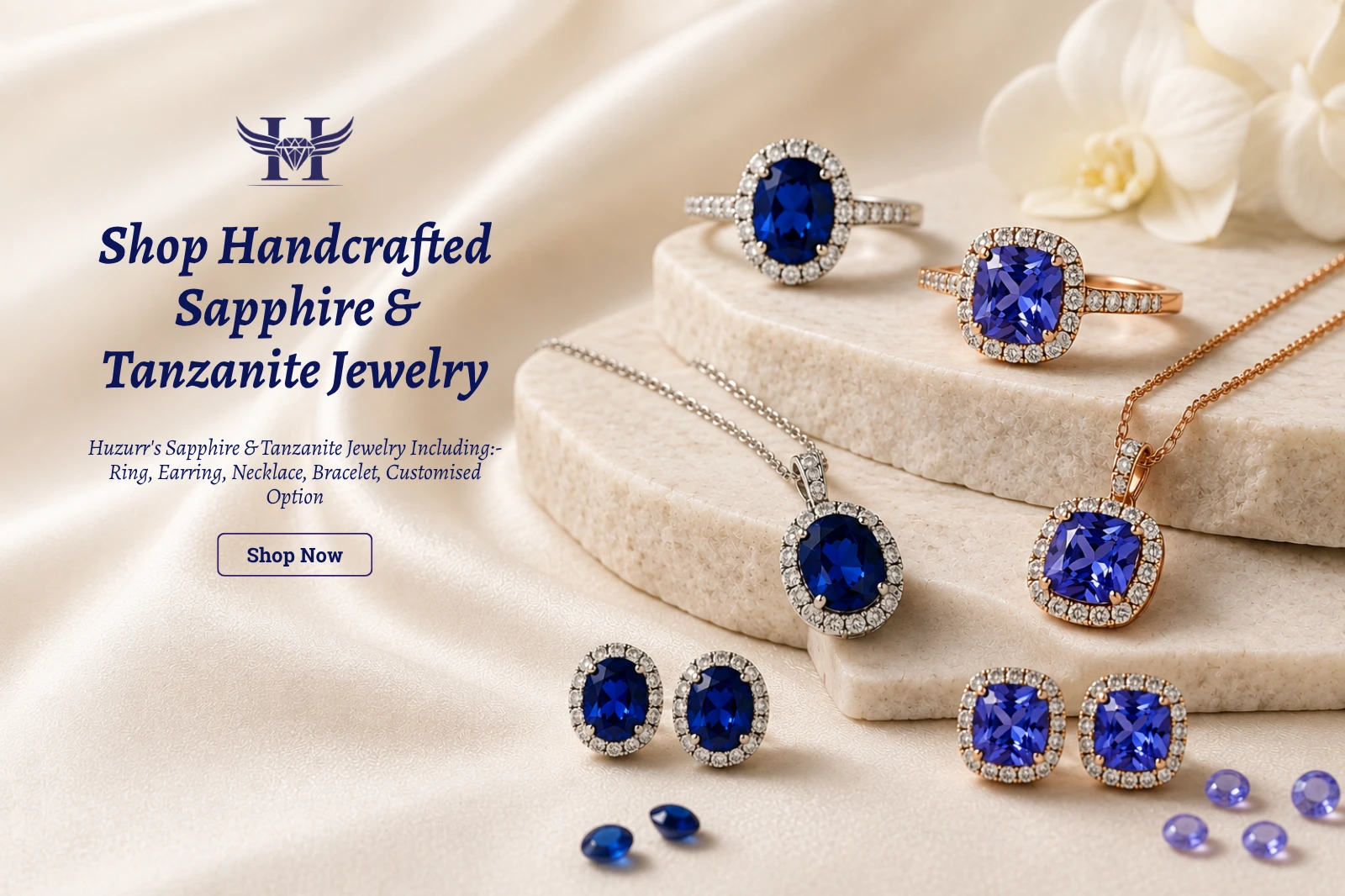
Return to the two illuminated cases.
The sapphire still looks steady, rich, and confident. It is the gemstone to choose when you want durability, classic blue color, engagement-ring practicality, and long-term wear.
The tanzanite still changes as you move. Blue becomes violet, then purple, then blue again. It is the gemstone to choose when rarity, color movement, individuality, and emotional impact matter most.
For most daily-wear engagement rings, sapphire wins.
For a rare-looking statement piece or meaningful December gift, tanzanite wins.
For a jewelry collection with depth, there is no need to choose only one. Let sapphire become your timeless blue, and let tanzanite become the color people ask about when it catches the light.
Start with the Huzurr Oval Blue Sapphire Sterling Silver Diamond Ring for a classic blue centerpiece.
Choose the Tanzanite Two-Stone Infinity Ring when you want symbolism and violet-blue personality.
Or enter the complete Huzurr ring collection and find the gemstone that feels less like an accessory—and more like it was waiting behind the glass for you.