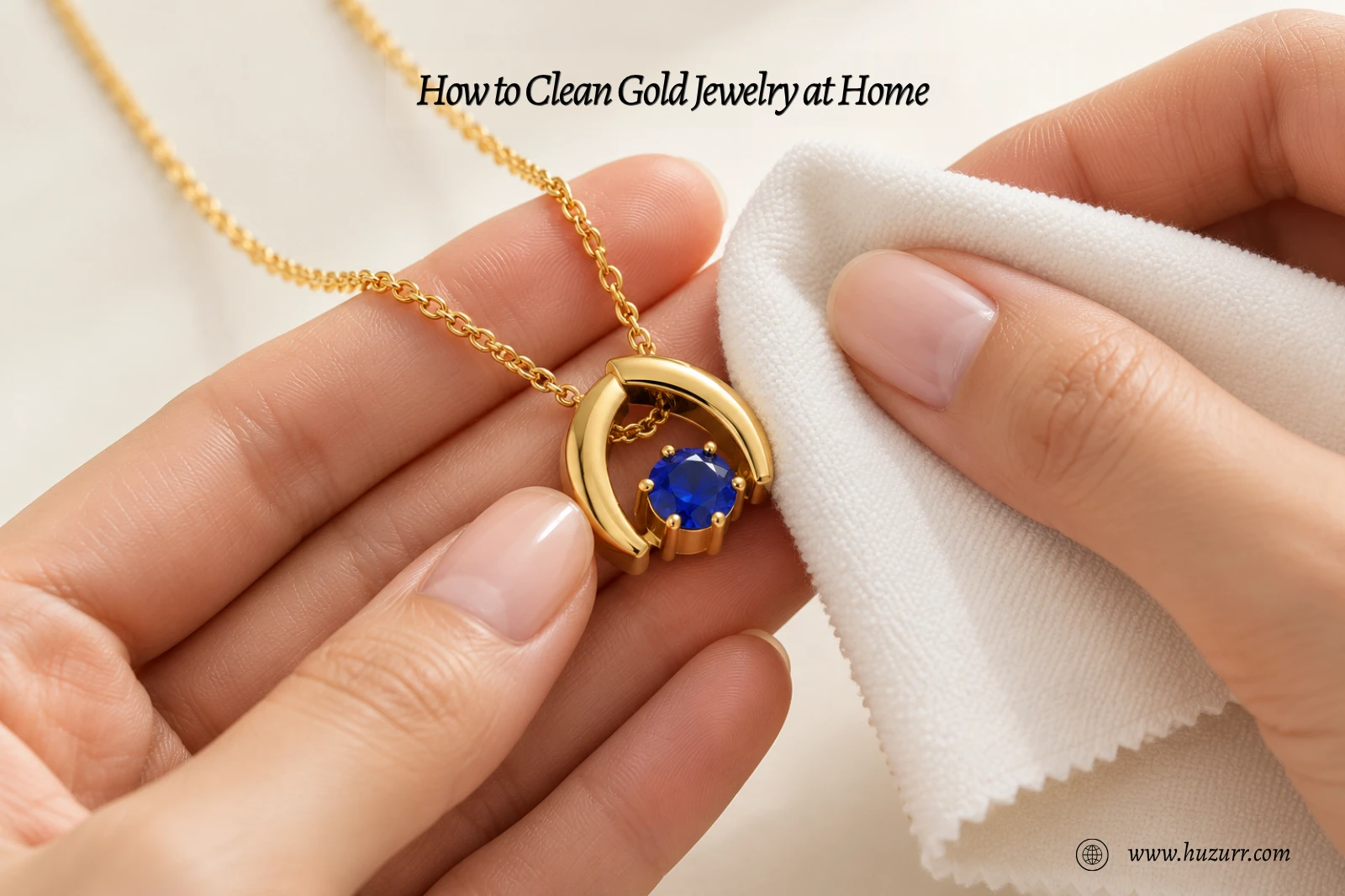
How to Clean Gold Jewelry at Home (and Keep It Looking Beautiful)
A gold necklace that once caught the light beautifully can start looking dull after weeks of everyday wear. Lotion settles around a pendant, oils collect between chain links, and soap residue builds up behind earrings. The jewelry may not be damaged at all. Sometimes, it simply needs the right kind of cleaning.
Learning how to clean gold jewelry at home can help remove everyday buildup without exposing your favorite pieces to unnecessary wear. However, the safest method depends on what you own. Solid gold, gold-plated jewelry, gold-filled pieces, and gemstone jewelry do not all respond to cleaning in the same way.
In this guide, you will learn how to clean different types of gold jewelry, which household cleaning methods to avoid, and how to maintain the finish of your favorite pieces. If you are considering something new, you will also find tips for choosing gold-plated jewelry that fits your style and care routine.
Why Does Gold Jewelry Lose Its Shine?
Pure gold is resistant to tarnishing, but most gold jewelry is made from alloys or has a thin gold coating over another metal.
For example, 14-karat gold contains approximately 58.3% gold, while 18-karat gold contains 75% gold. The remaining metals affect the piece's strength, color, and behavior over time.
Everyday wear can leave behind:
- Skin oils and sweat: These create a film that makes jewelry appear less reflective.
- Lotion and perfume: Product residue can collect around settings, clasps, and chain links.
- Soap and shampoo: These can leave deposits, particularly on jewelry worn frequently.
- Dust and dirt: Small particles collect in intricate designs and around gemstones.
- Wear on plating: Gold-plated jewelry can gradually lose its gold-colored surface through friction and repeated use.
The important distinction is that surface buildup may be removable, while worn plating or damaged finishes usually cannot be restored by ordinary cleaning.
What You Need to Clean Gold Jewelry at Home
For suitable pieces, you can start with a few basic supplies:
- A small, clean bowl
- Lukewarm water
- A small amount of mild, fragrance-free soap
- A clean, soft microfiber or jewelry cloth
- A very soft brush, if the jewelry can safely tolerate brushing
- A soft towel to protect the work surface
Avoid using cleaning products simply because they are available at home. Toothpaste, abrasive powders, bleach, and strong household cleaners can damage jewelry or its finish.
Before cleaning, inspect the piece. If a gemstone is loose, a prong is bent, or a setting looks damaged, do not brush or soak it. Have it inspected by a jeweler first.
How to Clean Gold Jewelry at Home: A Step-by-Step Guide
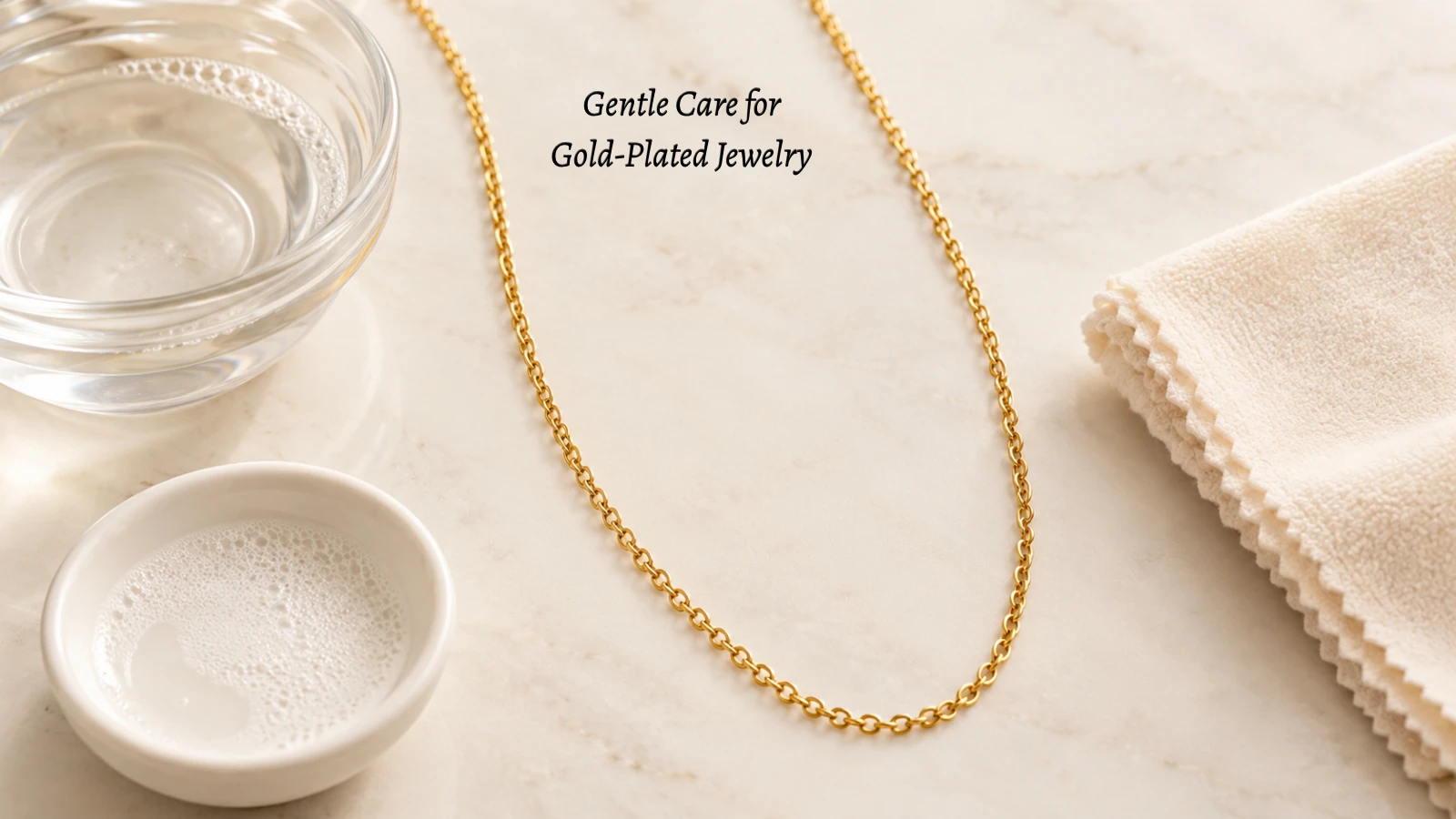 For suitable solid gold jewelry without delicate gemstones, glued components, or vulnerable settings, follow these steps.
Step 1: Prepare a Gentle Cleaning Solution
Fill a small bowl with lukewarm water and add a few drops of mild soap. Mix gently.
The water should be comfortably warm rather than hot. You do not need a strong chemical cleaner to remove ordinary skin oils and surface residue.
Step 2: Check Whether the Piece Can Be Soaked
Some sturdy solid gold pieces can tolerate a short soak of around 10–15 minutes. However, soaking is not appropriate for every design or gemstone.
If you are unsure about the metal, stones, adhesives, or construction, skip soaking and follow the manufacturer's care instructions.
Step 3: Remove Dirt Carefully
For suitable solid gold jewelry, use a very soft brush to loosen dirt around links and settings. Apply minimal pressure.
Do not scrub aggressively. Avoid brushing gemstones, delicate finishes, or areas where a stone may be loose.
For intricate or valuable pieces, professional cleaning is the safer option when dirt cannot be removed easily.
Step 4: Rinse Away Soap Residue
Rinse the jewelry carefully with lukewarm water if the piece is suitable for rinsing. Work over a bowl or a closed sink drain so a small earring or pendant cannot disappear down the drain.
If the jewelry contains delicate stones or components that should not get wet, use the appropriate dry or minimally damp cleaning method instead.
Step 5: Dry Thoroughly
Pat the jewelry dry with a soft, lint-free cloth. Pay attention to chain links, clasps, and areas around settings.
Allow the piece to dry completely before storing it. Moisture left in crevices can contribute to residue buildup and may affect some base metals.
Shopping tip: If you prefer jewelry with a simple maintenance routine, explore Huzurr's jewelry collection. Choose pieces based on their materials, construction, and care requirements rather than appearance alone.
How to Clean Different Types of Gold Jewelry
The most common cleaning mistake is treating every gold-colored piece as if it were made from solid gold. The surface finish and the materials underneath it determine what is safe.
1. How to Clean Solid Gold Jewelry
Solid gold jewelry, including many 10K, 14K, and 18K pieces, can generally tolerate gentle cleaning with mild soap and lukewarm water when its construction allows it.
Use a soft cloth for routine cleaning and avoid harsh chemicals or abrasive polishing products.
If a solid gold ring contains fragile or treated gemstones, follow the stone-specific care instructions. An ultrasonic cleaner is not automatically safe just because the metal is solid gold.
2. How to Clean Gold-Plated Jewelry
Gold-plated jewelry has a thin layer of gold over a base metal. That surface can wear down through friction, aggressive polishing, and repeated exposure to unsuitable cleaning products.
For routine care:
- Dampen a soft cloth slightly with clean water.
- If necessary, use a very small amount of mild soap.
- Wipe the surface gently without scrubbing.
- Remove soap residue with a separate, slightly damp cloth.
- Dry the piece immediately with a clean, soft cloth.
Avoid prolonged soaking, stiff brushes, abrasive polishing cloths, and chemical dips.
If the gold-colored finish has worn away, cleaning will not restore the missing plating. A professional may be able to re-plate some pieces, depending on their construction.
For examples of styles available from Huzurr, explore gold-plated enhanced black diamond earrings and gold-plated lab-grown emerald earrings. Check each product's material specifications and care instructions before purchase.
3. How to Care for Gold Vermeil and Gold-Filled Jewelry
Gold vermeil typically has a gold layer over sterling silver, while gold-filled jewelry uses a mechanically bonded layer of gold over a base metal.
Although these materials differ from conventional gold plating, their finishes can still be affected by abrasion, chemicals, and unsuitable cleaning methods.
Start with a soft cloth and follow the care guidance provided by the manufacturer. When using moisture, keep it minimal and dry the piece promptly. Do not assume that every item described as gold vermeil or gold-filled can tolerate the same cleaning routine.
4. How to Clean White Gold and Rose Gold
White gold is commonly finished with rhodium plating to create a bright white appearance. Over time, that coating can wear and reveal a warmer tone underneath. Cleaning will not restore worn rhodium plating; a jeweler can assess whether re-plating is appropriate.
Rose gold gets its distinctive color from the metals mixed with gold, including copper. Gentle cleaning can remove everyday residue, but abrasive products may scratch or dull the finish.
For either type, use a soft cloth and follow the manufacturer's instructions, particularly when gemstones are present.
5. How to Clean Gold Jewelry With Pearls, Opals, or Emeralds
Gemstones need individual care. Pearls and opals are particularly vulnerable to certain chemicals, heat, and unsuitable cleaning methods. Some emeralds are treated with oils or resins that can be affected by cleaning products.
Do not automatically apply a soak-and-brush method to jewelry containing these stones.
Instead, use a soft, slightly damp cloth only when the stone and setting permit it. Avoid ultrasonic cleaners and chemical dips unless a qualified jeweler confirms that the specific piece can tolerate them.
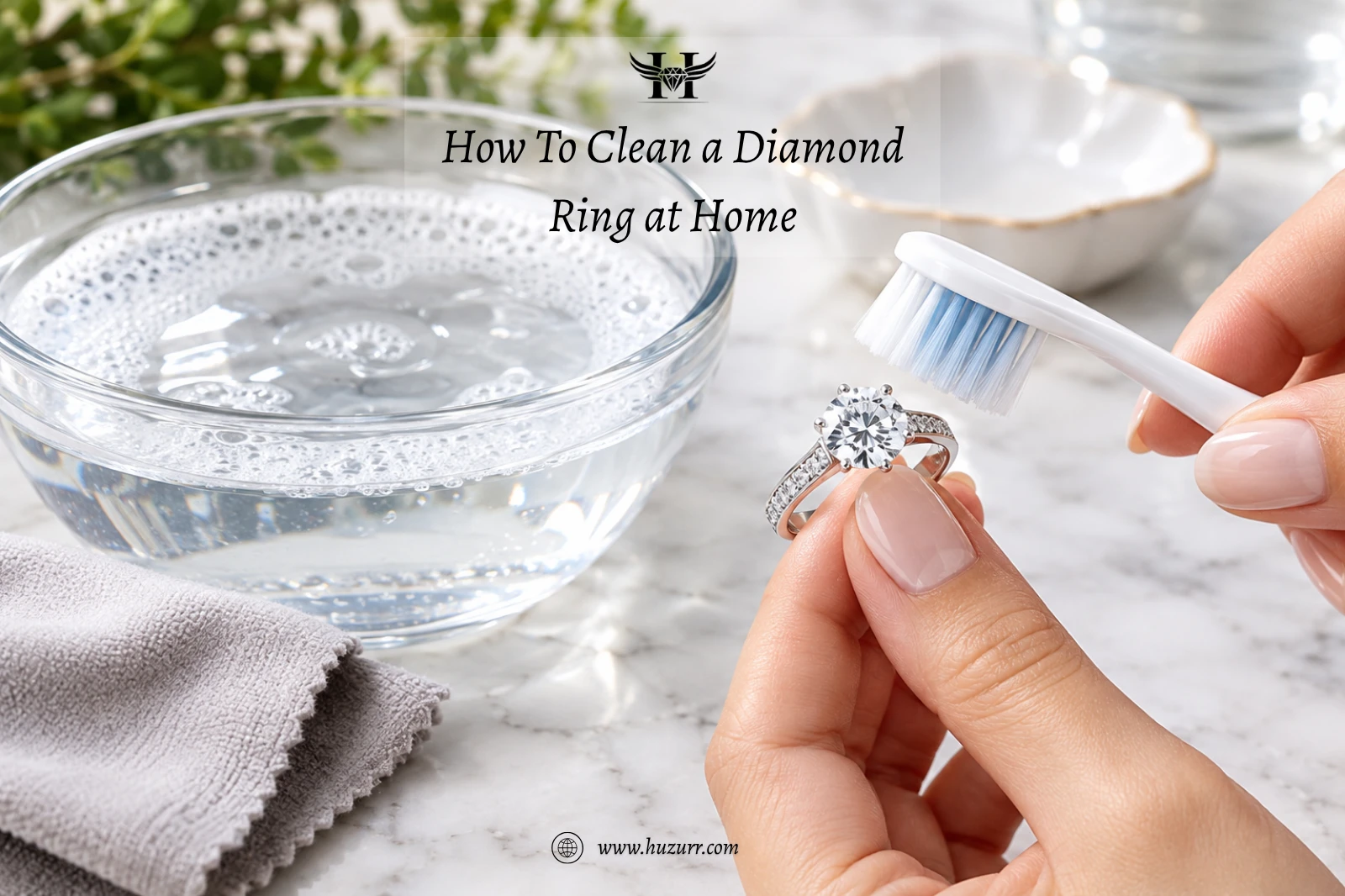
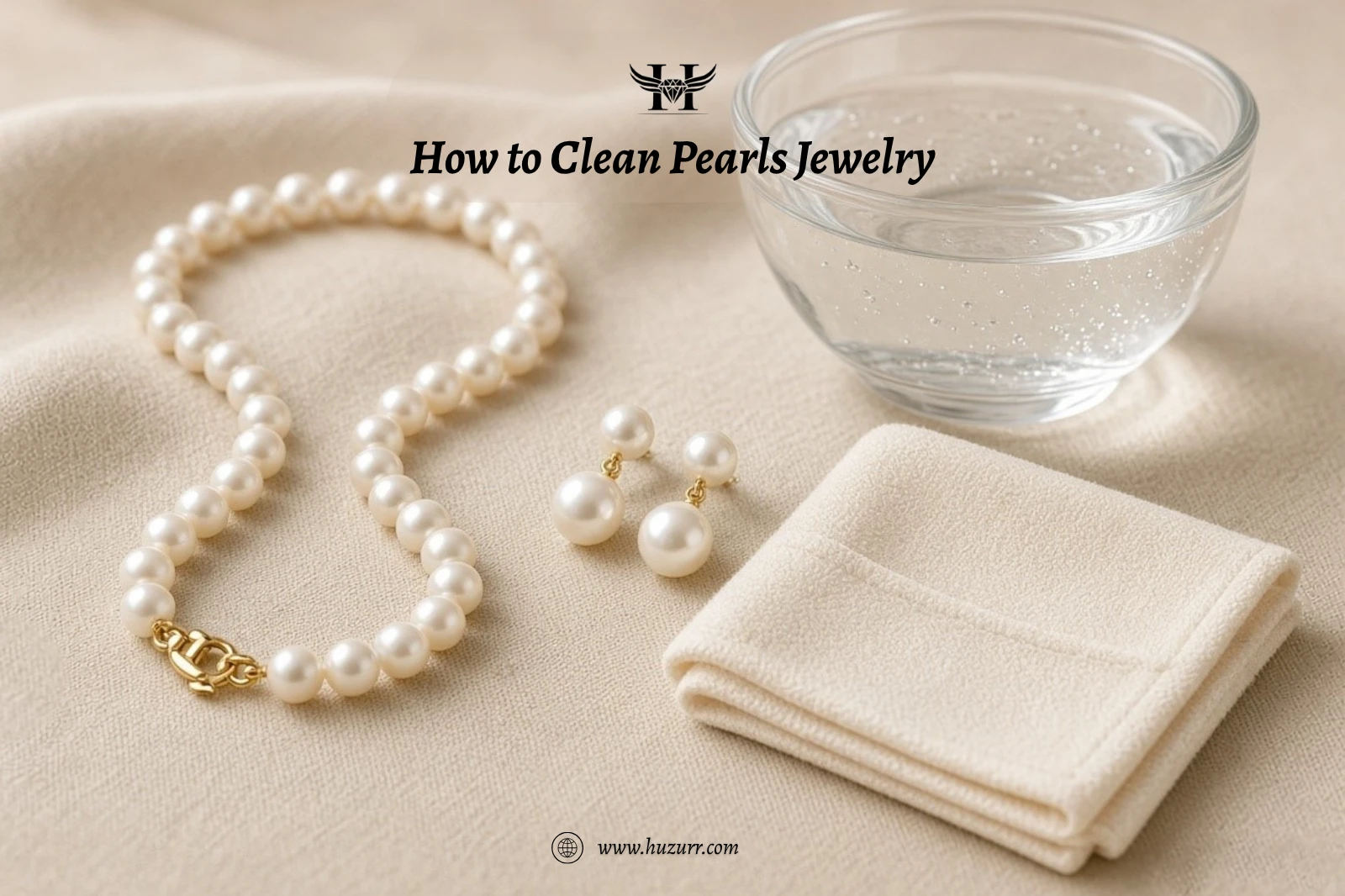
For more guidance, read Huzurr's guides on how to clean pearls, how to clean a diamond ring at home, and caring for gemstone jewelry.
 How to Clean Gold Chains, Rings, Earrings, and Bracelets
Different jewelry shapes collect residue in different places. A few small adjustments can make routine care more effective.
Gold chains and necklaces: Pay attention to the links and clasp, where oils and dirt can collect. Handle delicate chains carefully to avoid tangling or pulling on weak links.
Gold rings: Dirt often accumulates underneath the setting. Clean this area gently only if the stone and setting can tolerate the method.
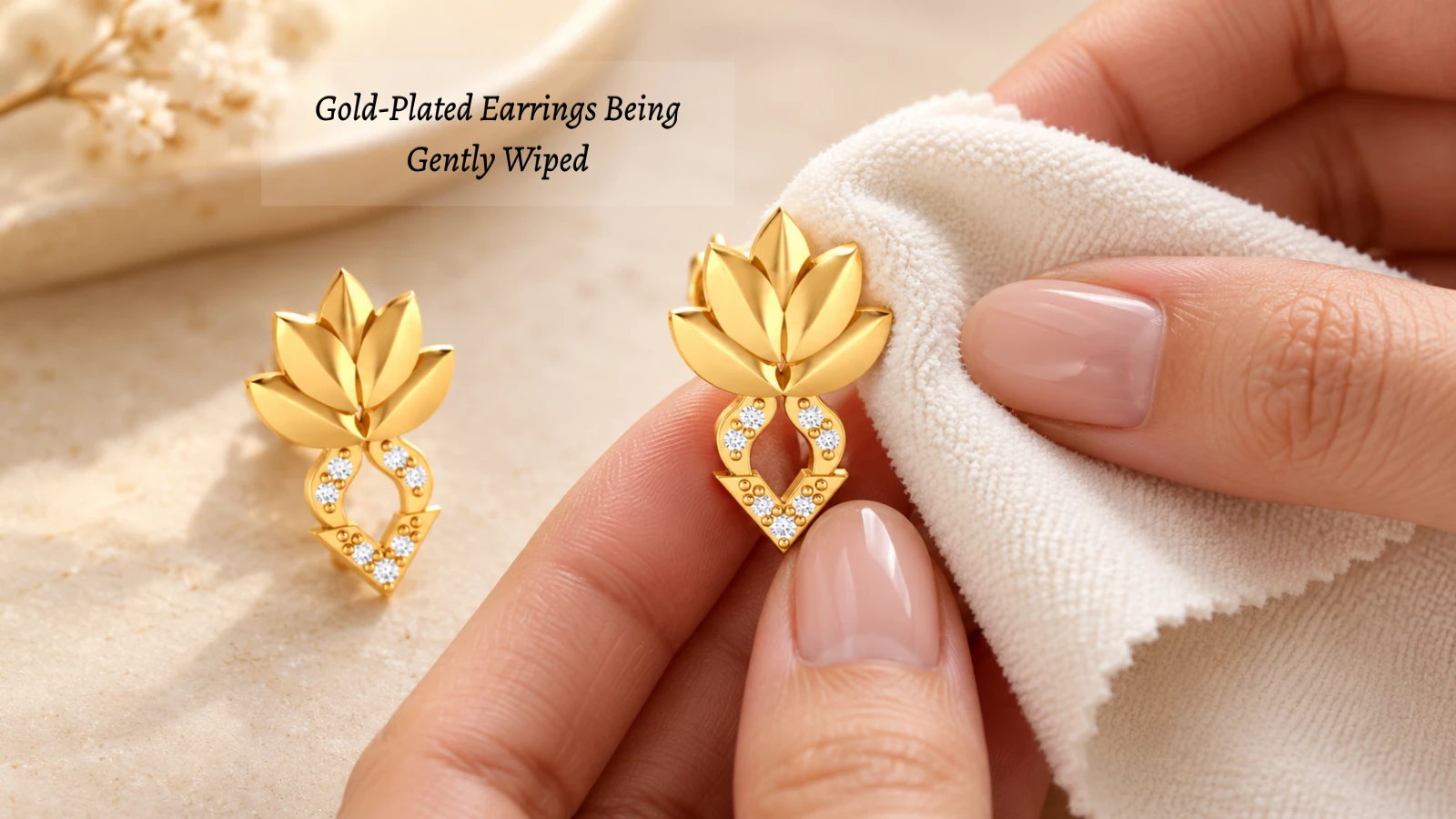
Gold earrings: Wipe the posts and backs regularly, since they come into direct contact with the skin. Take extra care with delicate decorative elements.
Gold bracelets: Check the clasp, hinges, and joints. These areas can trap residue and may need a careful wipe rather than vigorous brushing.
If a piece has a complicated design or contains several types of materials, the safest method may be to have it professionally cleaned.
What Not to Do When Cleaning Gold Jewelry
Avoid these common mistakes if you want to preserve your jewelry's finish.
- Do not use bleach or chlorine-based cleaners. These can damage certain jewelry alloys and components.
- Avoid toothpaste and abrasive powders. They can scratch surfaces and damage plating.
- Do not scrub gold-plated jewelry. Aggressive friction can wear away its thin gold layer.
- Avoid boiling or very hot water. Sudden temperature changes can be unsuitable for some gemstones, adhesives, and settings.
- Do not use chemical dips on unidentified jewelry. A product safe for one material may damage another.
- Do not assume every gemstone is safe for ultrasonic cleaning. Some stones, treatments, and settings are vulnerable to vibration or cleaning solutions.
- Do not force a loose stone or damaged clasp back into place. Have the jewelry inspected before further use.
When in doubt, consult the jeweler or manufacturer rather than experimenting with a stronger cleaning method.
How to Keep Gold Jewelry Clean for Longer
Cleaning is only one part of jewelry care. Small habits can help reduce residue buildup and unnecessary wear.
- Put jewelry on last. Apply perfume, hairspray, and lotion before wearing your pieces, allowing products to dry first.
- Remove jewelry before swimming or exercising. Chlorinated water, sweat, and repeated friction can affect some finishes.
- Wipe pieces after wearing. A clean, soft cloth can remove surface oils before they accumulate.
- Store each piece separately. Soft pouches or a lined jewelry box can reduce scratching and tangling.
- Keep jewelry away from unnecessary moisture. Store clean, dry pieces in a suitable environment.
- Inspect clasps and settings. Regularly check for loose stones, bent prongs, or worn components.
- Clean according to actual use. Frequently worn pieces may need more regular attention than jewelry reserved for special occasions.
There is no universal cleaning schedule for every item. A gentle wipe after wear and occasional deeper cleaning, when appropriate, is often more useful than following an arbitrary timetable.
How to Choose Gold-Plated Jewelry That Is Easier to Maintain
Good jewelry care begins before you buy. If you are comparing gold-plated pieces, look beyond the color and design.
Check the Material Description
Understand whether the item is solid gold, gold-filled, gold vermeil, or gold-plated. These terms describe different constructions and should not be treated as interchangeable.
Ask About the Base Metal and Finish
The base metal and plating details can affect durability and care. Look for clear product specifications rather than relying on vague descriptions such as “gold jewelry.”
Choose a Design That Fits Your Routine
A simple pendant or pair of earrings may fit easily into your everyday wardrobe, while an intricate gemstone piece may need more careful handling.
Read the Care Instructions
A seller should provide practical guidance on cleaning, storage, and exposure to moisture or chemicals. Follow the instructions for the particular piece you purchase.
Review Shipping and Return Terms
Before ordering, confirm the current shipping policy, return window, and conditions that apply to unused or customized jewelry.
If you are exploring styles, browse Huzurr's earrings collection, gold-plated lab-grown emerald necklaces, and rose gold-plated emerald rings. Review the individual product details to choose a design and finish that suit your needs.
 Frequently Asked Questions
Can I clean gold jewelry with toothpaste?
It is best to avoid toothpaste. Its abrasive ingredients can scratch certain surfaces and damage gold plating. A suitable mild soap solution or a soft cloth is a safer starting point for jewelry that can tolerate moisture.
How often should I clean gold jewelry?
It depends on how often you wear the piece and what it is made from. Wipe suitable jewelry after wearing it, and clean it more thoroughly when visible residue appears. Always follow the care instructions for delicate gemstones and plated finishes.
Does real gold tarnish?
Pure gold is highly resistant to tarnishing. Gold alloys can discolor or develop surface buildup because of their other metals and environmental exposure. Gold-plated pieces can also change appearance when their coating wears down.
Can I clean gold-plated jewelry with soap and water?
For many pieces, a soft cloth with a small amount of mild soapy water can be suitable. Use minimal moisture, avoid soaking or scrubbing, remove residue carefully, and dry immediately. Follow the product's specific care instructions.
Is it safe to wear gold jewelry in the shower?
Removing jewelry before showering is generally the better habit, particularly for gold-plated pieces. Soap and shampoo can leave residue, while repeated moisture and friction may contribute to wear over time.
Can I use baking soda to clean gold jewelry?
Avoid baking soda as a general-purpose gold jewelry cleaner. Its abrasive action can scratch some surfaces and damage plating. Use a gentler method appropriate for the jewelry's materials.
How can I tell whether gold plating has worn off?
Look for uneven color, exposed areas of the base metal, or changes around high-friction spots such as edges and clasps. Cleaning cannot replace missing plating, so ask a jeweler whether repair or re-plating is possible.
Final Thoughts
Knowing how to clean gold jewelry is less about finding the strongest cleaning product and more about choosing the right method for the material. Mild cleaning can remove everyday residue from suitable solid gold pieces, while gold-plated jewelry usually benefits from minimal moisture, gentle wiping, and careful drying.
Inspect your jewelry before cleaning, avoid abrasive products, and seek professional advice when a gemstone or setting needs special attention. With sensible care and appropriate storage, you can help your favorite pieces retain their appearance for longer.
If you are ready to explore a new style, browse Huzurr's earrings collection, emerald necklaces, and rose gold-plated rings. Choose a piece that fits your style, understand its materials, and follow its care instructions from the start.