Easy Pearl Facts You Should Know
Pearls Are the Only Gemstones Made by Living Animals
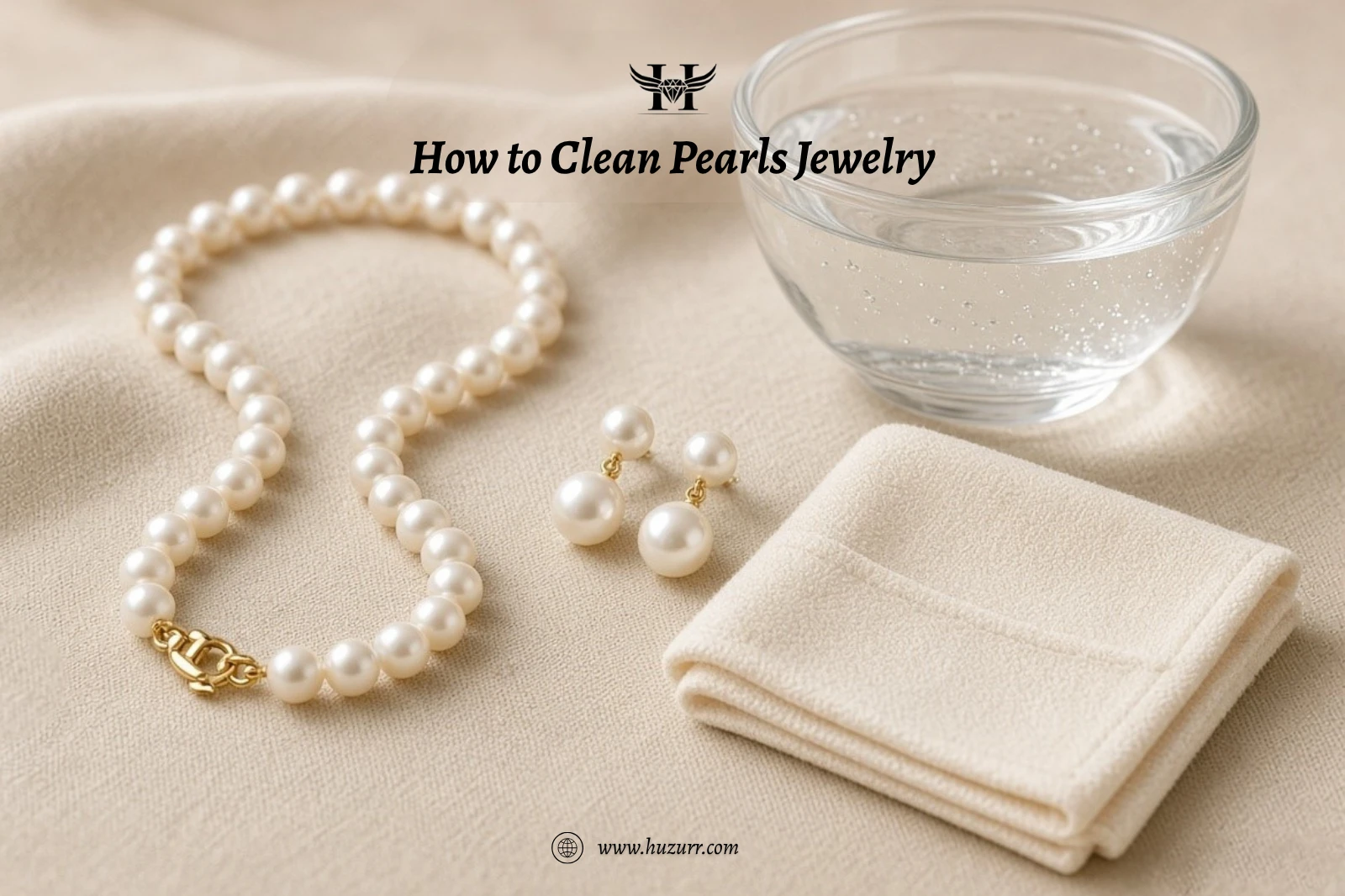
Pearls are unique among gemstones because they are created centreliving animals, specifically mollusks such as oysters. When an irritant enters the mollusk’s shell, it hide layers of a material called nacre, which successively forms a pearl.This natural process makes pearls much different from mined gems, as they are truly organic and formed care of a biological reaction, giving each pearl its specific luster and appeal.
Natural Pearls Are Much Rarer Than Diamonds
Natural pearls are grossly rare compared to diamonds because they form without human intervention and very few oysters produce perfect pearls. The rarity and unpredictability of natural pearls make them highly valuable on the market. Most pearls today are cultured, grown with human help to meet demand, but natural pearls remain twist collectibles due to their lack and natural origin.
Every Pearl Is Unique; No Two Are Exactly the Same
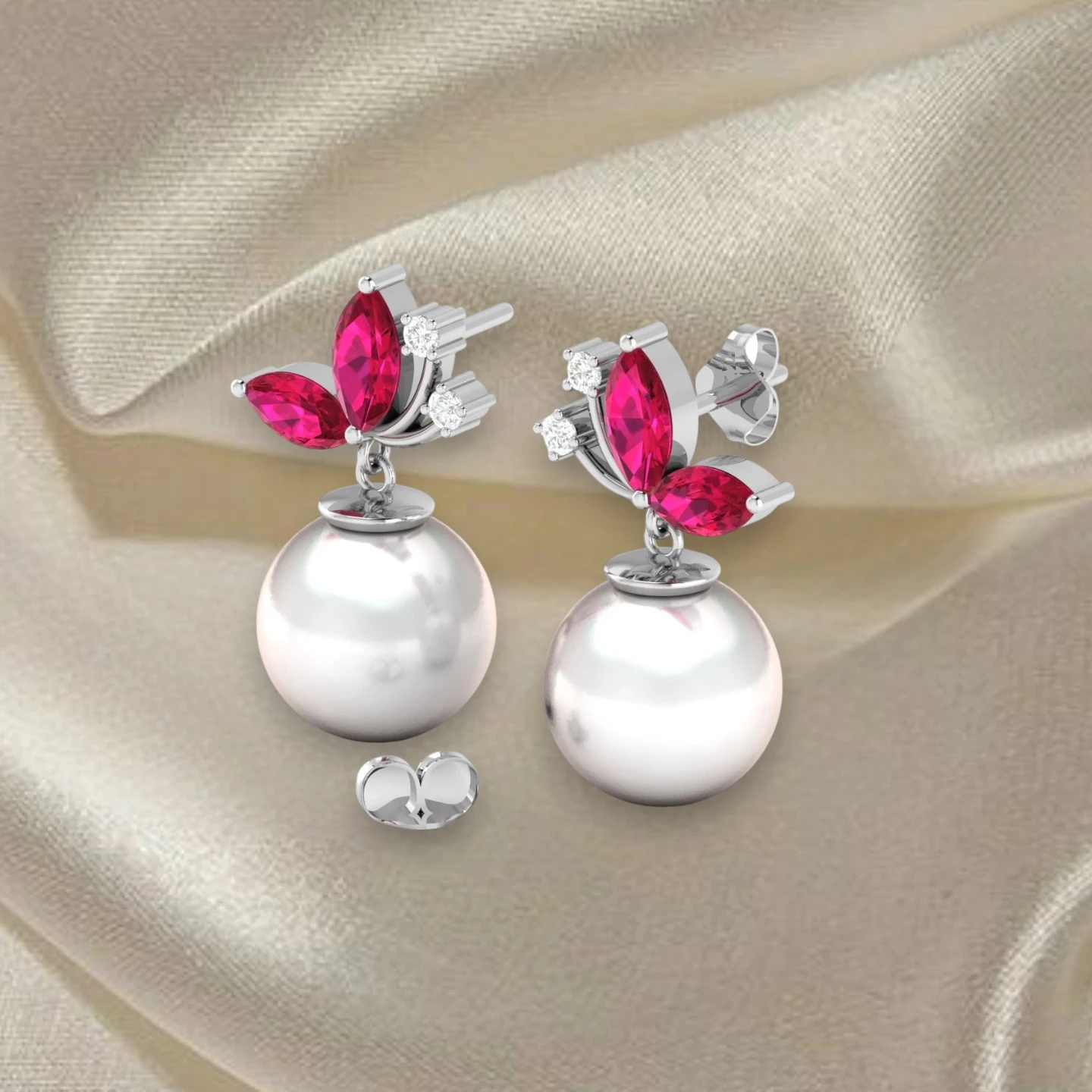
No two pearls are identical, which adds to their charm, especially when used as earrings where perfect matches are sought after. Pearls differ in shape, size, color, and luster because each pearl’s manufacturing is affect by various environmental factors and the mollusk itself. This natural uniqueness makes pearl jewelry special and one-of-a-kind.
Long Ago, Pearls Were Only Worn by Kings and Queens
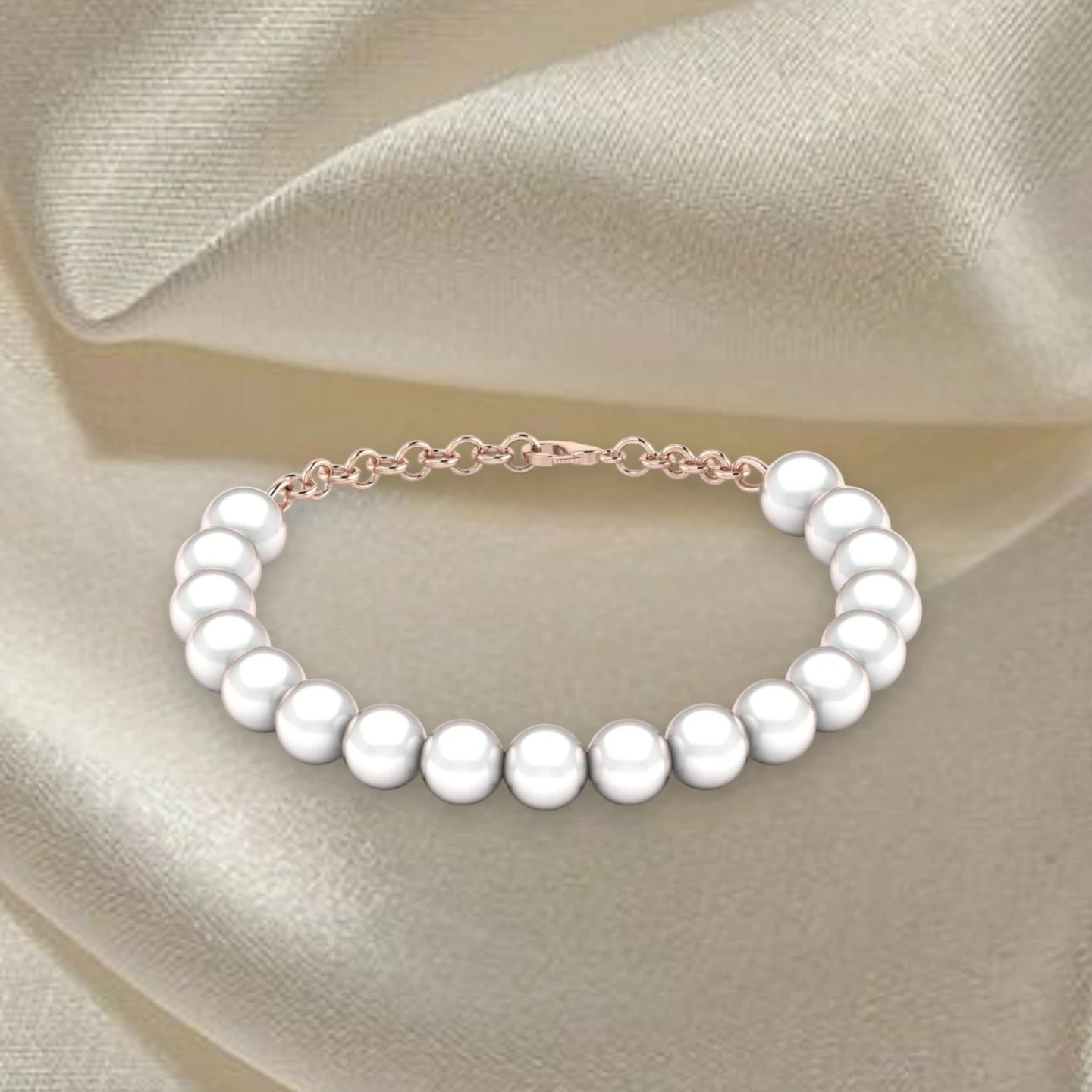
Historically, pearls symbolized wealth, power, and status. They were often reserved only for royalty and greatness, who wore pearl-adorned crowns, robes, and jewelry such as bracelets. Wearing pearls was a luxury forbidden to common people in many cultures, hold up pearls’ image as precious and unique gems for the best.
Pearls Are the Softest Gemstone in the World
Pearls are much softer than other gemstones, rating only 2.5 to 4.5 on the Mohs hardness scale. This softness means they can be easily scratched or damaged, need careful keeping and proper storage. The delicate nature of pearls also makes them unique balance to harder stones like diamonds and sapphires and give to their kind, glowing level.
The First Man-Made Round Pearl Was Made by Kokichi Mikimoto
In the early 20th century, Kokichi Mikimoto pioneered the creation of cultured pearls by successfully make the first perfectly round man-made pearl. This crack revolutionized the pearl industry, making pearls more widely available and affordable. Mikimoto’s invention allowed pearl farming to grow sustainably while keep pearl quality and beauty.
There Are Four Main Types of Pearls You Can Find
Pearls come in four primary types, each with specific features: Akoya pearls known for their classic white shine; South Sea pearls, which are large and bright in white or gold; Tahitian pearls, famous for their dark and external hues; and Freshwater pearls, which come in many shapes and colors and are grown in lakes and rivers, often at a more affordable price point.
The Most Expensive Pearl Ever Sold Is Worth $100 Million
The Pearl of Lao Tzu, also known as the Pearl of Allah, holds the record as the most precious pearl, valued at around $100 million. This large natural pearl weighs over 14 pounds and is admired for its size, rarity, and noticeable history. Its extraordinary worth signifies the special value certain unique pearls can command.
The Oldest Pearl Ever Discovered Is Over 7,000 Years Old
Archaeologists find the oldest known pearl in a sea burial site dating back more than 7,000 years. This old pearl proves that humans have long adore pearls for their beauty. All over history, pearls have been symbols of purity and wealth, featured in early ornaments and jewelry that reflect their time barred appeal.
Pearls Come in Many Different Shapes and Colors
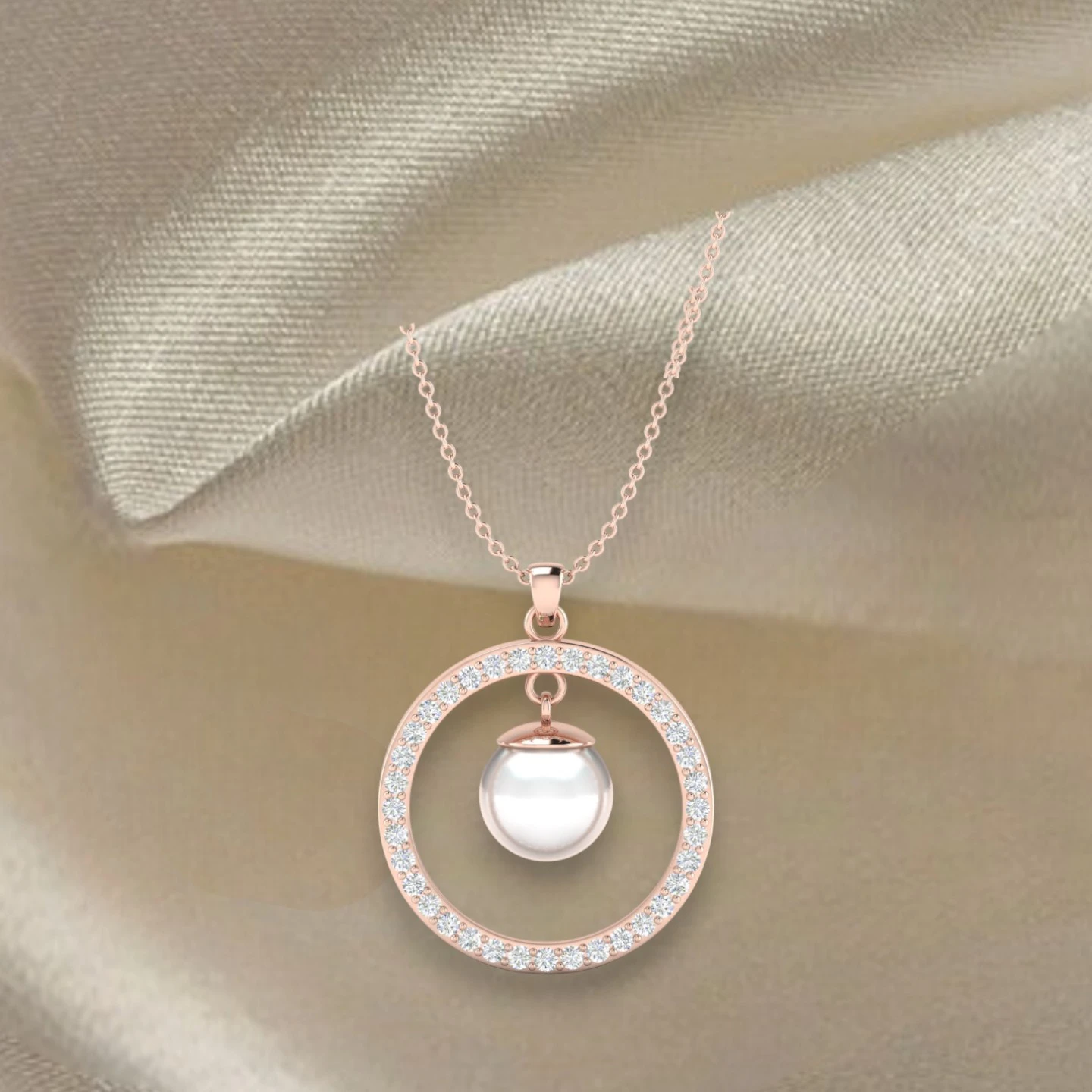
Pearls are not limited to the classic round shape; they occur in various shapes such as oval, button, and baroque (irregular). They also pop up in colors ranging from white, pink, gold, to rare black and even blue hues. This variation allows for different jewelry designs, especially stunning pearl necklaces that highlight the natural beauty and uniqueness of the pearl’s shape and shade.