How Are Lab-Grown Rubies created
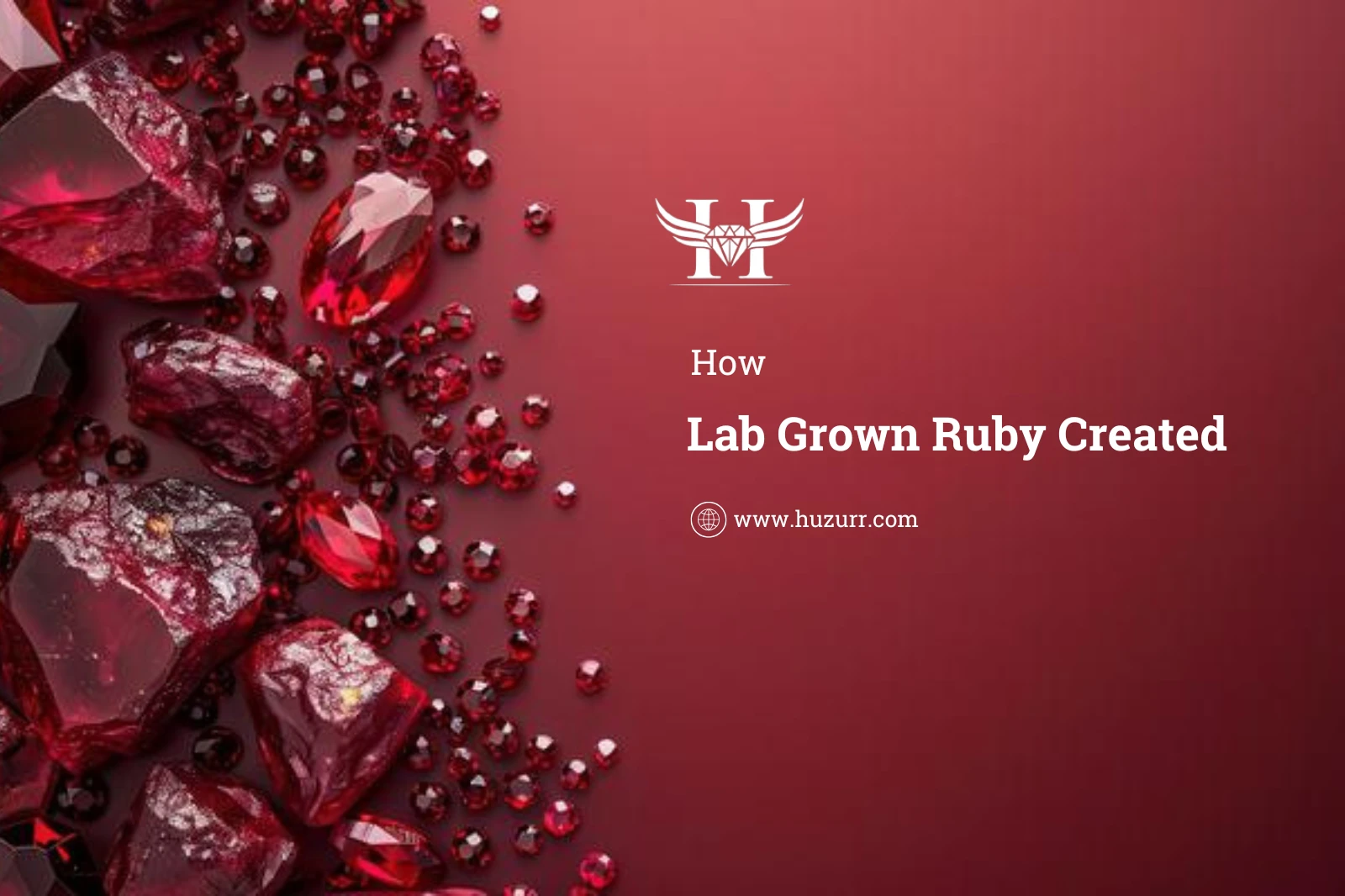
Rubies are one of the most beautiful and valuable gemstones in the world. Traditionally, they are mined from the earth, but technology has allowed scientists to create stunning rubies in laboratories. These lab-grown rubies are real rubies, made using the same chemical and physical properties as natural ones. But how are they created? Let's explore the fascinating process of making lab-grown rubies.
The Science Behind Lab-Grown Rubies
Lab-grown rubies are created using a scientific process that mimics how natural rubies form beneath the earth. The main component of rubies is aluminum oxide (Al₂O₃), and their red color comes from the presence of chromium. In a laboratory, scientists recreate the high heat and pressure conditions needed to form rubies. These gemstones are chemically, physically, and optically identical to natural rubies, making them an excellent alternative for jewelry lovers. Lab-created rubies undergo controlled formation, ensuring consistency in quality and appearance.
Methods of Creating Lab-Grown Rubies
There are two main methods used to create lab-grown rubies: Flame Fusion Method and Flux Method. The Flame Fusion Method is the most common and affordable technique. Powdered aluminum oxide and chromium are melted using a high-temperature flame, and the molten material slowly cools down to form ruby crystals. This process is quick and can produce large rubies in just a few hours. On the other hand, the Flux Method takes a longer time but produces higher-quality rubies. A chemical solution called flux is used to dissolve aluminum oxide at high temperatures, and as the solution cools, ruby crystals grow slowly over weeks or months. The rubies created using this method have more natural-looking inclusions.
Why Choose Lab-Grown Rubies?
Lab-grown rubies have several advantages over natural rubies. They are much more affordable because they do not require expensive mining processes. They are also environmentally friendly, as no land is disturbed or destroyed to extract them. Furthermore, lab-grown rubies are free from ethical concerns such as child labor and unfair mining practices. Additionally, they have fewer impurities and can be made in large sizes and different shades of red, giving customers more variety to choose from. With technological advancements, lab-created rubies continue to grow in popularity as a sustainable and responsible choice.
How to Identify Lab-Grown Rubies
While lab-grown rubies look very similar to natural ones, there are a few ways to tell them apart. Jewelers use special tools to examine the inclusions inside the stone. Natural rubies have unique, irregular inclusions, while lab-grown rubies have more uniform patterns. Additionally, some lab-grown rubies have tiny gas bubbles or curved growth lines, which are signs of their synthetic origin. However, only an expert gemologist can accurately determine whether a ruby is natural or lab-grown. Understanding these distinguishing features can help buyers make informed choices when purchasing rubies.
Lab-grown rubies are a great option for those who love the beauty of rubies but want a more affordable and ethical choice. Created using advanced scientific techniques, these rubies have the same stunning color, hardness, and brilliance as natural rubies. Whether for jewelry or collections, lab-grown rubies offer a perfect blend of beauty and sustainability. With their increasing popularity, they are becoming a preferred choice for many gem enthusiasts worldwide. As technology continues to improve, lab-grown rubies will likely become even more accessible and desirable for consumers around the world.
-

-
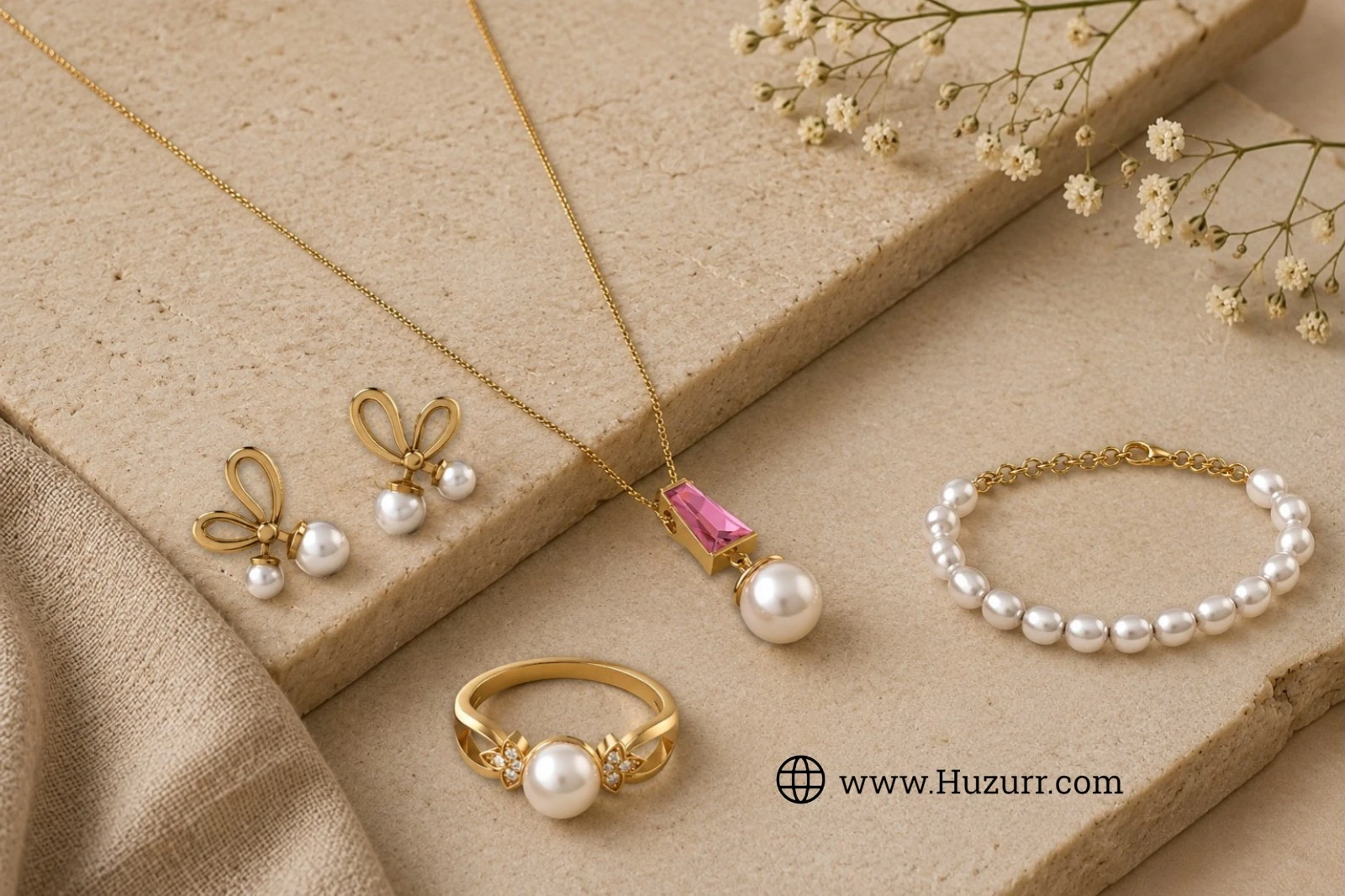
Top 3 Pretty Pearl Jewelry Set For Women
May 15, 2026 -

Trendy 12 Birthstone Bracelet For Women
May 14, 2026 -
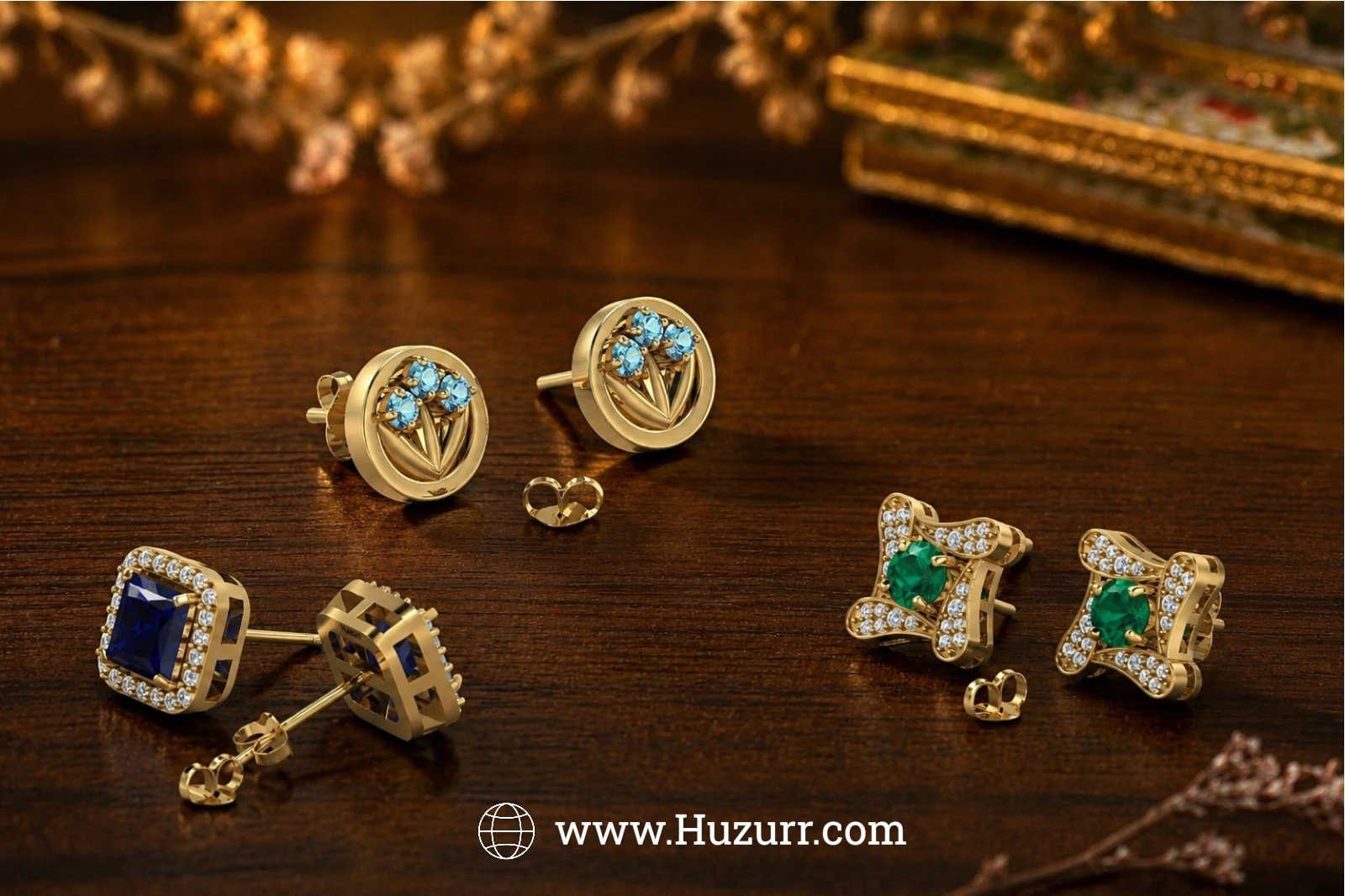
Trendy 12 Birthstone Earrings For Women
May 13, 2026 -
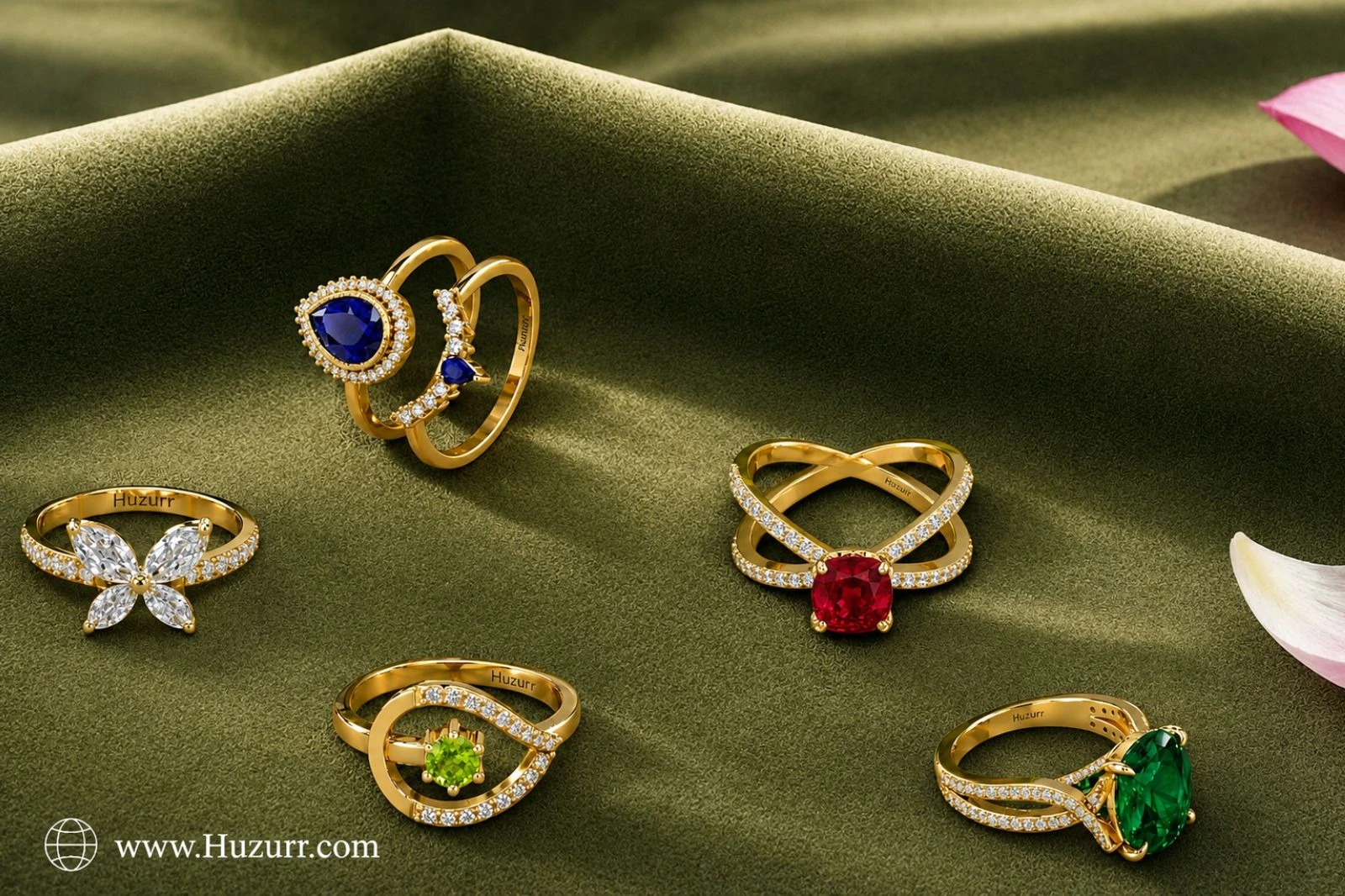
Trending 12 Birthstone Rings For Mom
May 11, 2026 -
-
-
-
-
Recent Products Added On Huzurr
Check out our new jewelry, made to make every moment special.